
Last updated November 22, 2026
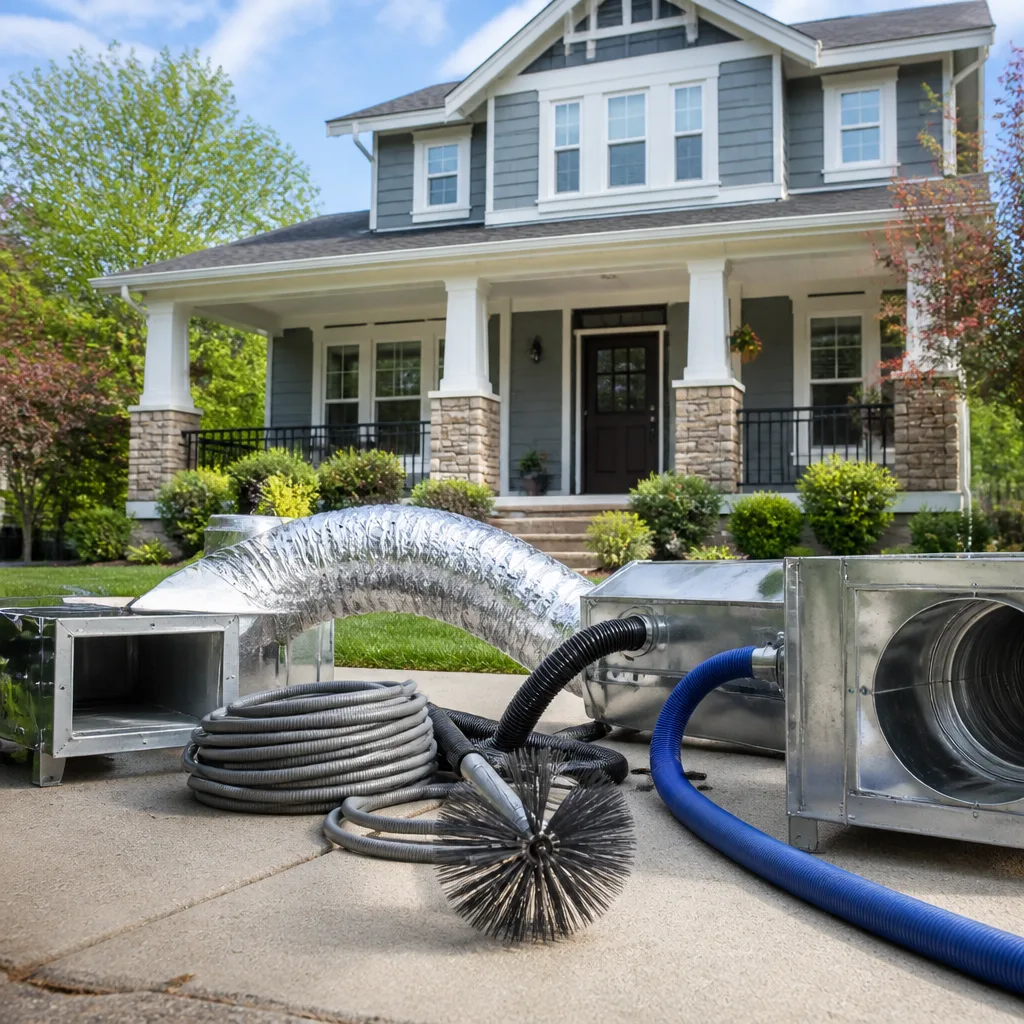 Whole-home duct cleaning
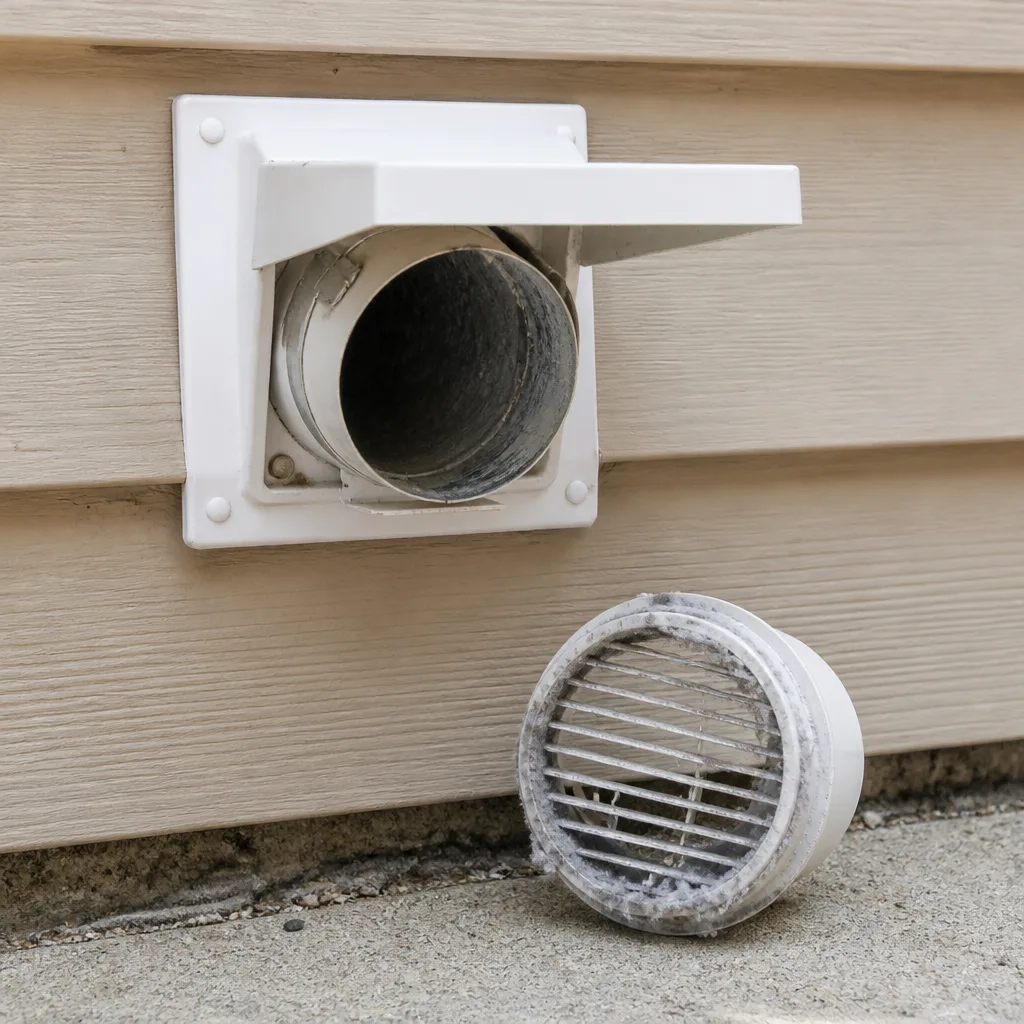 Dryer vent cleaning
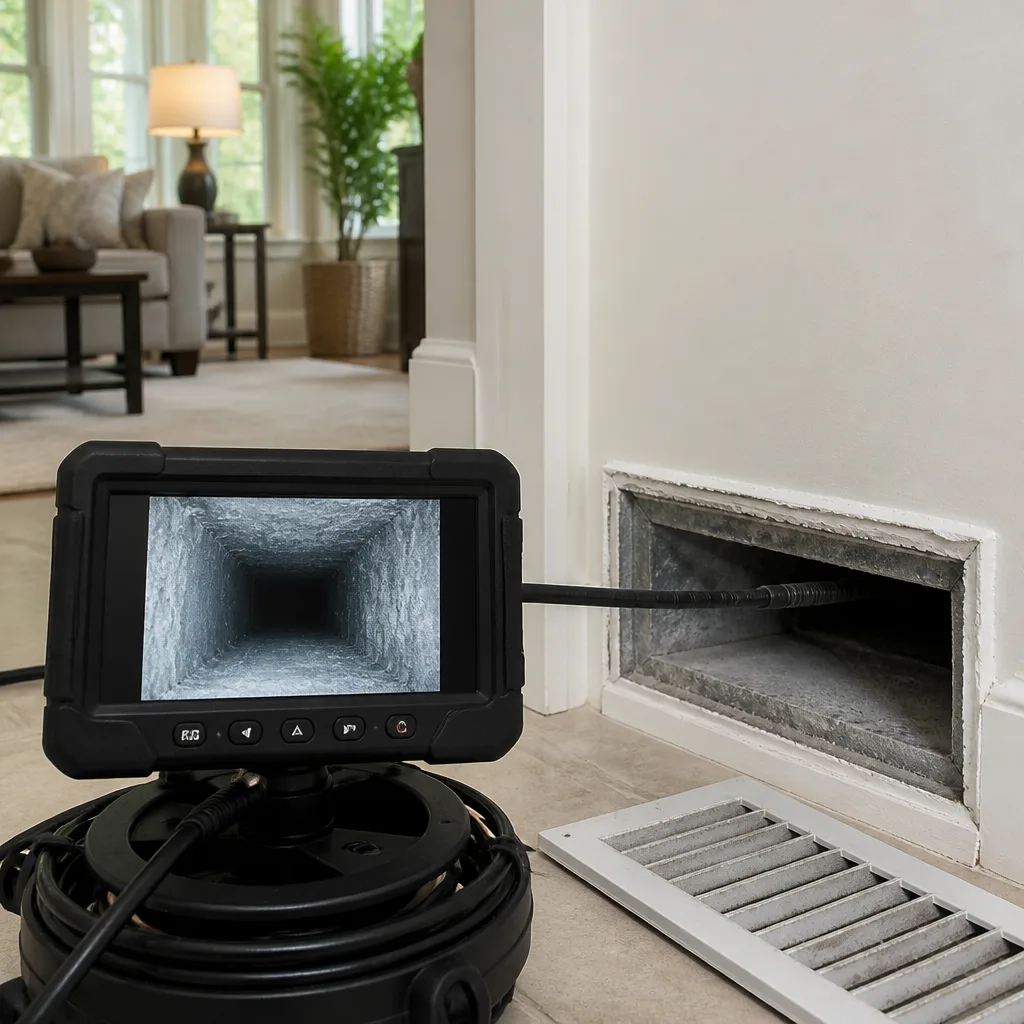 Camera inspection
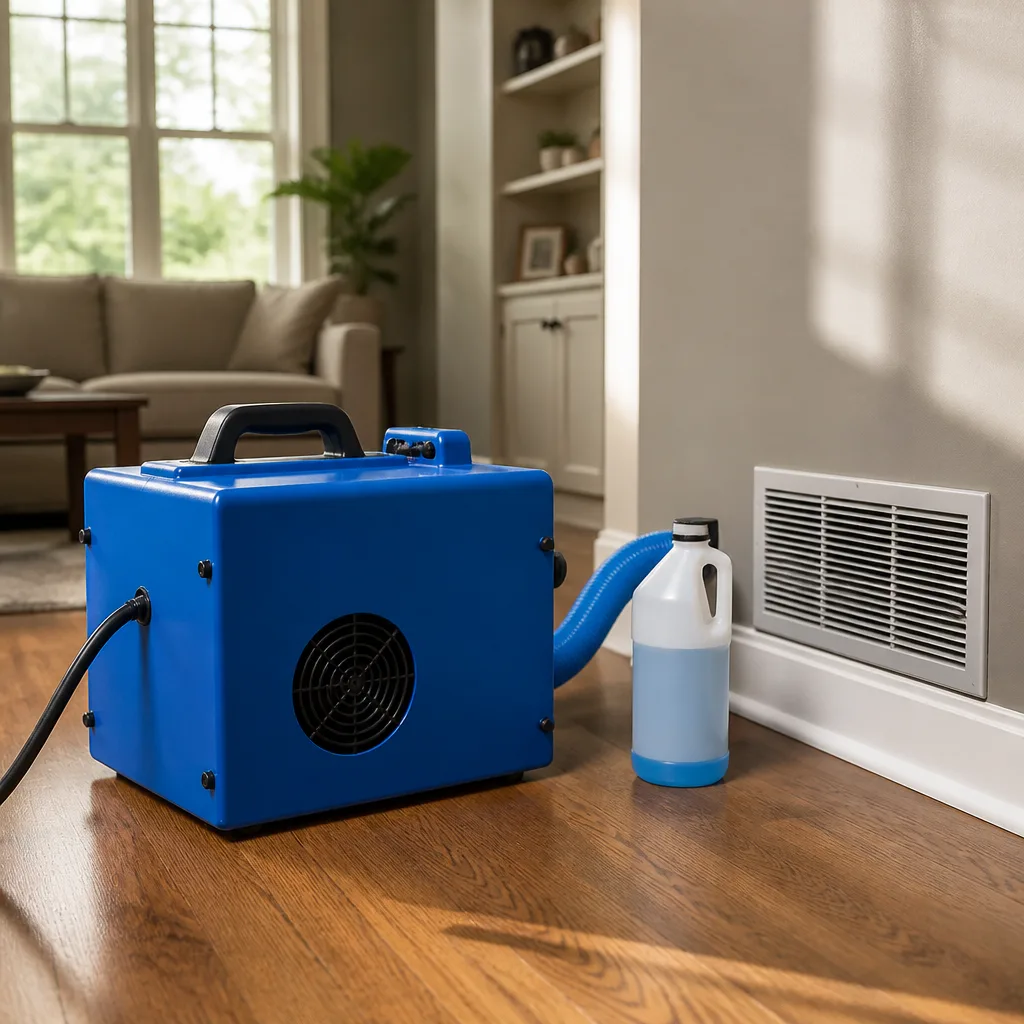 Sanitizing & deodorizing
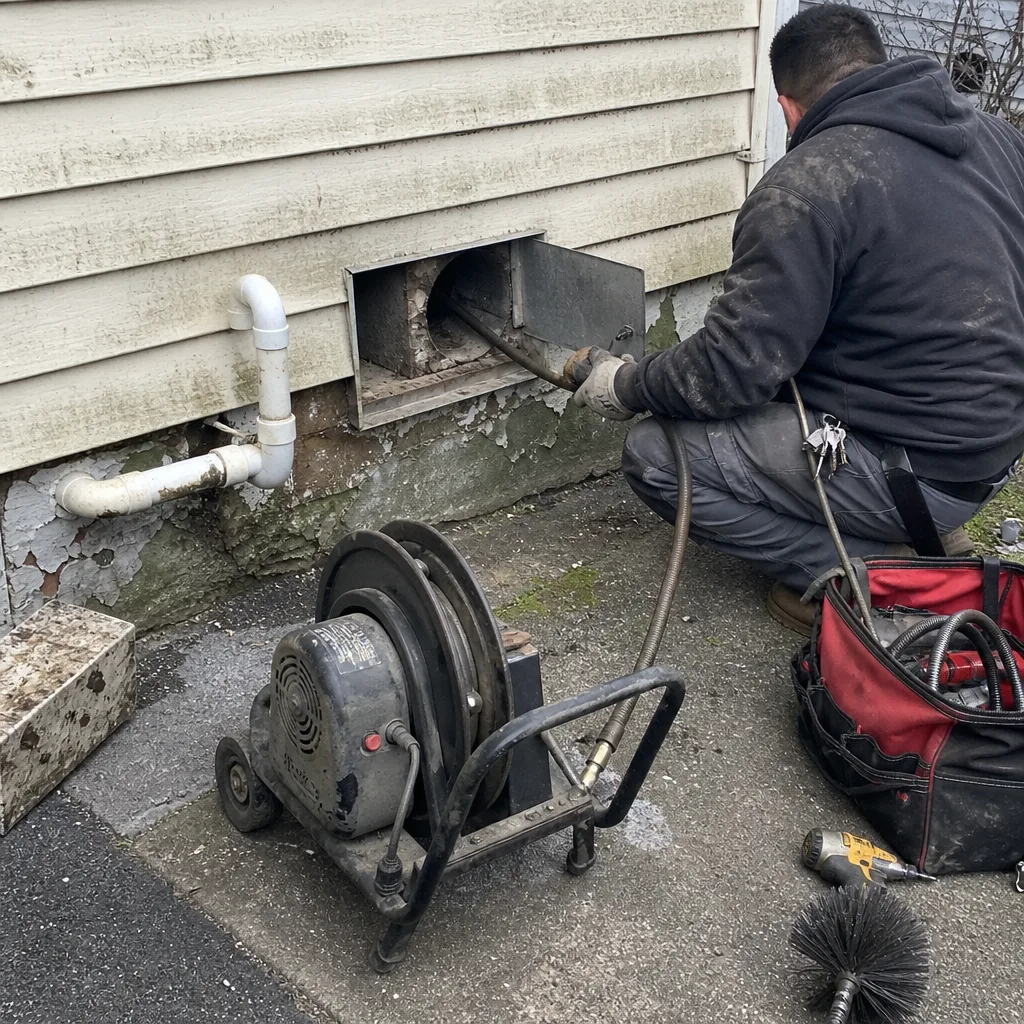
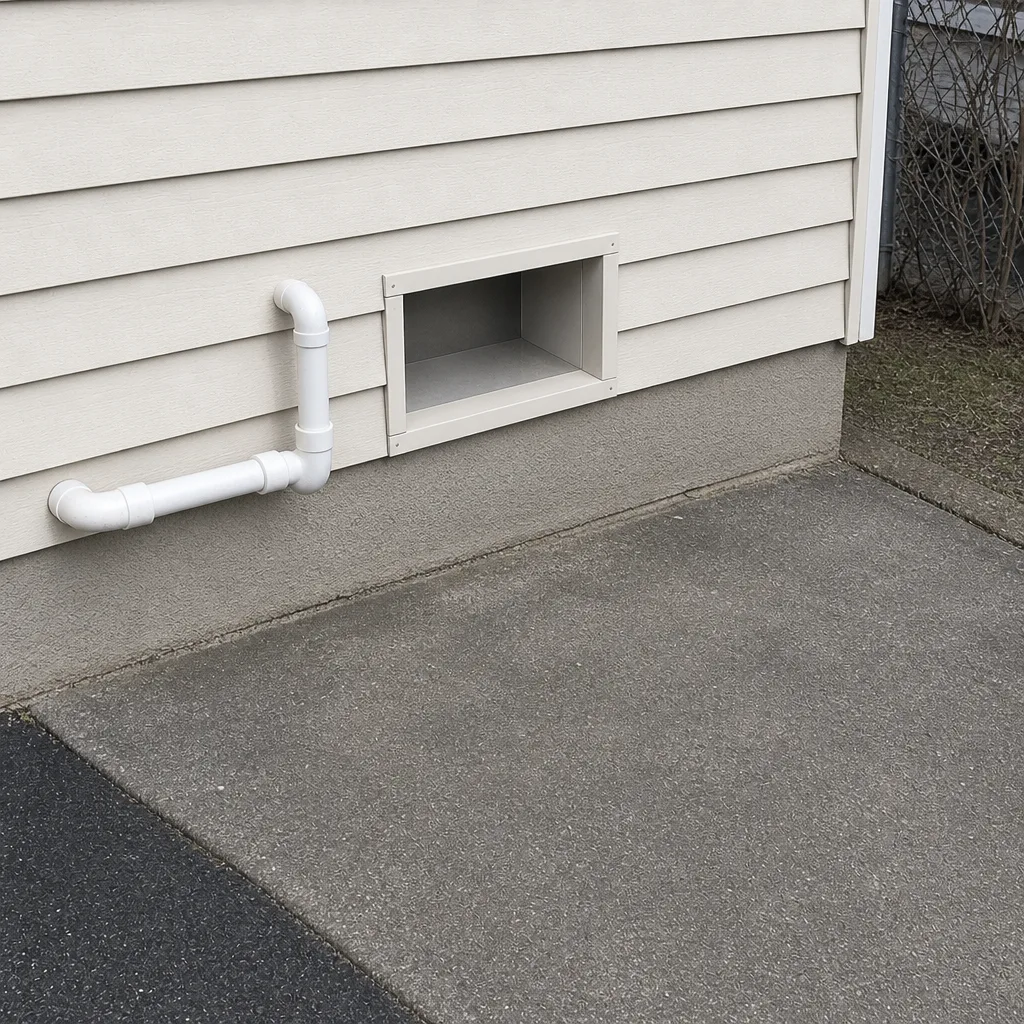
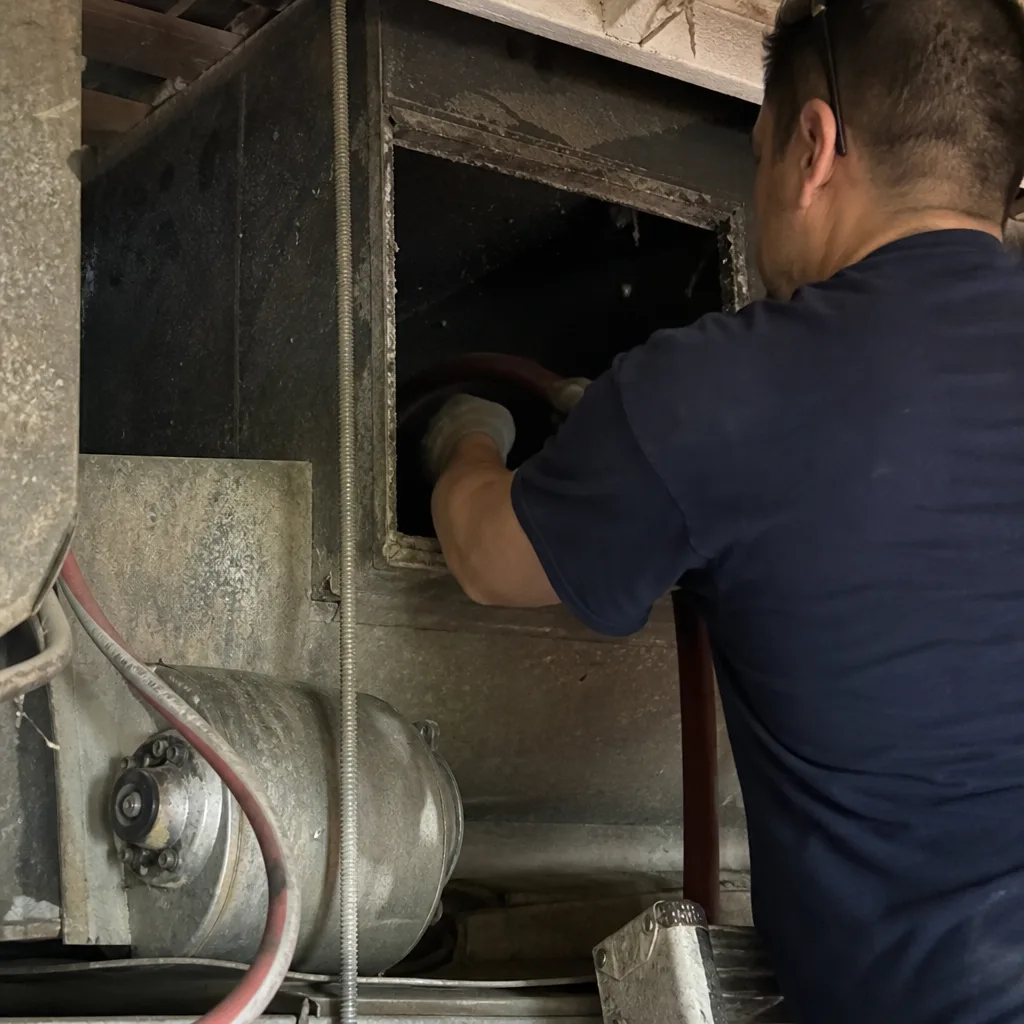
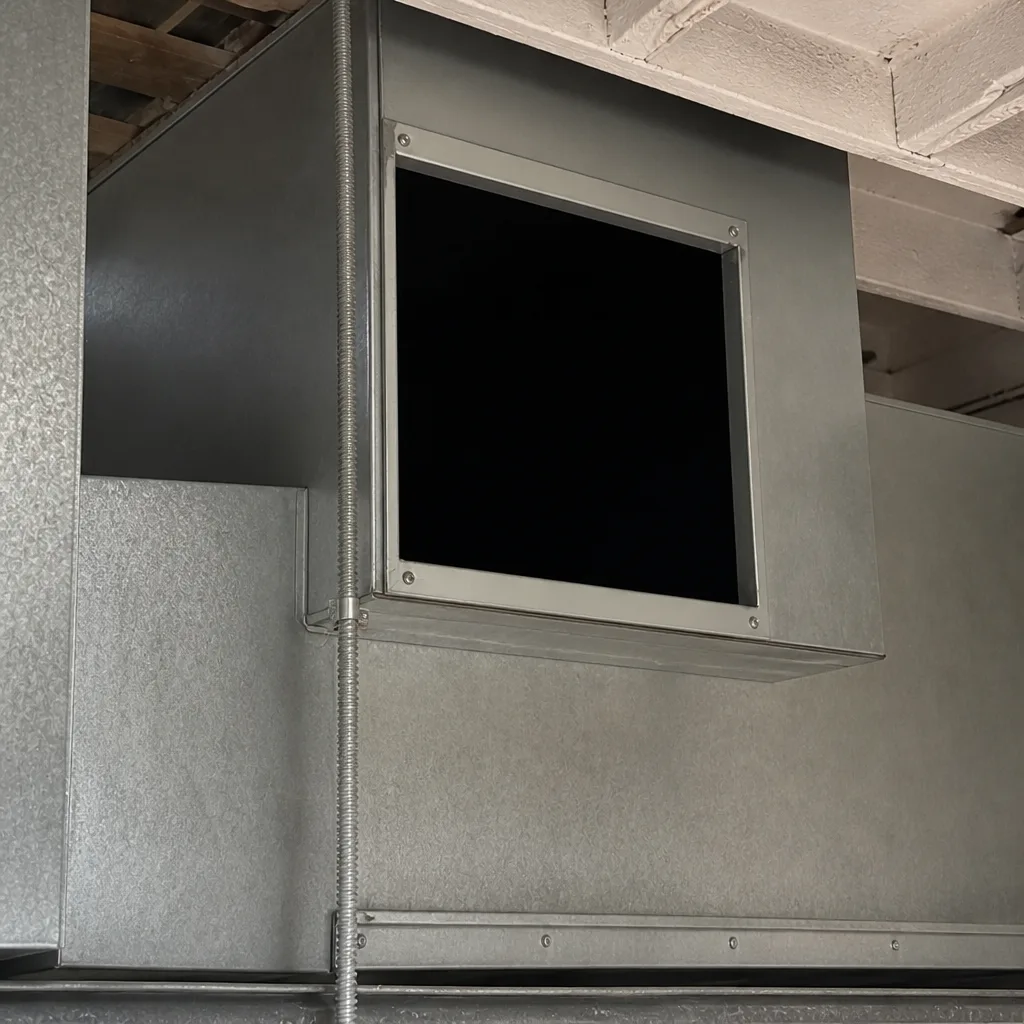
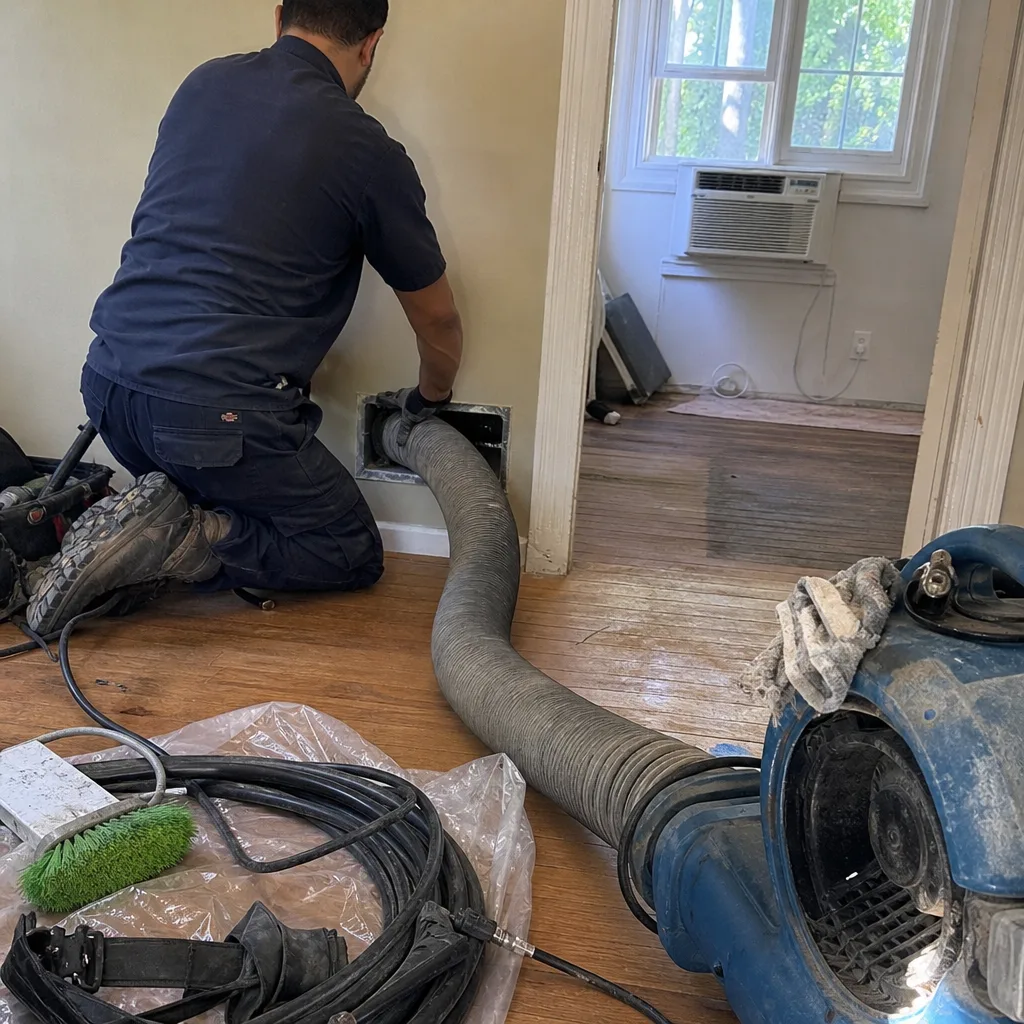
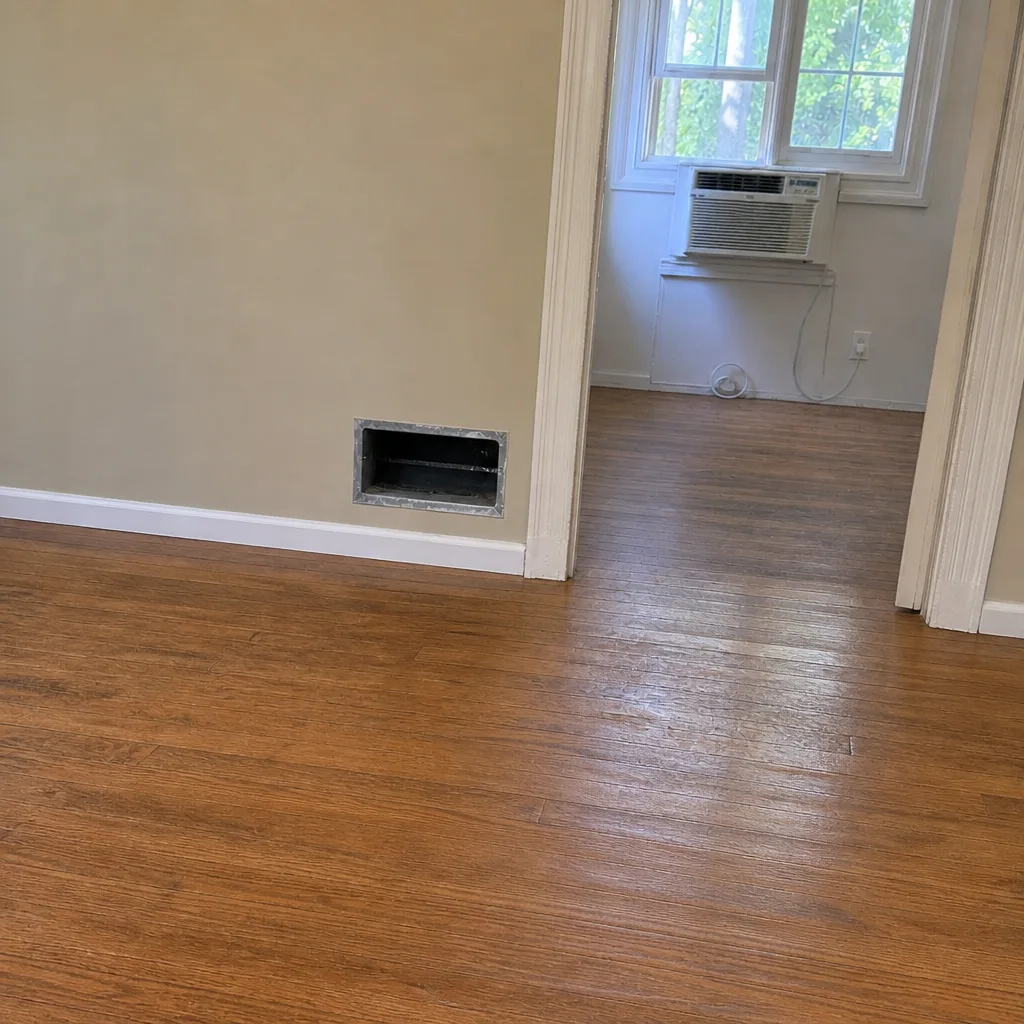
Whole-system duct and dryer vent check with before-and-after photos - you see exactly what came out of your vents
That "$99 whole-house special" is a bait ad - the real number appears once they are in your hallway, or the "clean" is a shop-vac at the register. We photograph the inside of your ducts before and after instead.
Air Duct Cleaning Permits, Codes & Inspections in Washington Heights, NY: What You Need to Know
Most people assume duct cleaning is either completely unregulated or heavily permitted. Neither is true. The cleaning itself, done right, is routine maintenance with no permit attached. But the moment that work touches your ductwork in a structural way, or the building you live in falls under a different code tier, the rules change fast. In Washington Heights, where pre-war apartment stock and newer construction sit side by side, that distinction matters. This guide draws the line between cleaning and modification under NYC Construction Codes, explains what Local Law 97 and HPD inspections actually require, and shows you what to keep on file afterward.
Quick Answer
Standard air duct cleaning in Washington Heights does not require a permit from the NYC Department of Buildings. Cleaning is classified as maintenance, not alteration. Permits enter the picture only when work changes the duct system itself, like adding new access panels that affect structure, rerouting a duct run, or installing powered air treatment equipment inside ductwork. Asbestos rules apply separately in pre-1980 buildings regardless of whether a permit is filed.
Table of Contents
- Does air duct cleaning need a permit in NYC?
- What NYC Construction Codes say about maintenance vs. alteration
- How Local Law 97 touches HVAC systems in larger buildings
- When HPD inspections get triggered by HVAC complaints
- Asbestos rules in pre-1980 Washington Heights buildings
- What documentation to keep after cleaning
- How to choose a duct cleaner who knows the code side
- Common mistakes to avoid
Does Air Duct Cleaning Need a Permit in Washington Heights?
No. Routine air duct cleaning in Washington Heights is classified as maintenance and does not require a DOB permit. The NYC Department of Buildings separates maintenance work, which keeps a system functioning as designed, from alteration work, which changes the system. Vacuuming, brushing, and sanitizing existing ducts fall firmly on the maintenance side. Nobody files paperwork with the city to clean their ducts, and any contractor who says otherwise is either confused or selling you something.
The permit question shows up when a job crosses into modification. Consider what a typical duct cleaning job involves in most Washington Heights apartments: a technician connects equipment to the system, works each branch run, seals it back up, and cleans the air handler components. That’s maintenance from start to finish.
Then consider the related requests that come up during or after a cleaning:
- Cutting a new access panel into a rigid duct because no cleanout exists
- Rerouting a supply run to fix an airflow problem the cleaning exposed
- Replacing a damaged section of ductwork rather than cleaning it
- Installing a powered ultraviolet or bipolar ionization device inside the duct
- Changing the air handler configuration or adding an inline filter cabinet
Several of those cross into alteration territory, which is when permits may be required. When we scope a job, we tell homeowners upfront which items are cleaning and which items are modifications. If a modification needs a permit, that’s filed by a licensed contractor before work starts, and the inspection happens after. Confusing the two categories is where compliance problems begin. For a full picture of what standard cleaning involves, see our guide to Air Duct Cleaning Washington Heights.
What NYC Construction Codes Say: Maintenance vs. Alteration
The NYC Construction Codes draw a clear line between maintenance and alteration, and that line determines permit requirements. Maintenance keeps a system working as it was originally designed and installed. Alteration changes the system in a way that affects structure, capacity, or configuration. Cleaning sits on the maintenance side. Structural or configuration changes sit on the alteration side.
Here’s how the distinction plays out for ductwork specifically:
Maintenance (no permit)
- Cleaning the interior surfaces of existing ducts
- Sanitizing ductwork and air handler components
- Sealing leaks at existing joints with mastic or approved tape
- Replacing filters in an existing filter slot
- Cleaning the air handler blower and coil surfaces
- Reconnecting a run that has separated at an existing joint
Alteration (permit may be required)
- Adding new duct runs or removing existing ones
- Relocating or resizing supply and return ducts
- Cutting new access panels into rigid ductwork that affects its structure
- Installing powered air treatment equipment wired into the building electrical system
- Changing the air handler to a different capacity or type
Notice that the boundary isn’t always intuitive. A new access panel cut into sheet metal isn’t just a convenience hole. On a rigid duct run, it penetrates the structure of the duct and needs to be sealed and insulated properly, which is why it can trigger review. When our team finds no accessible cleanout in a Washington Heights apartment, we discuss options before cutting anything, including whether an existing opening can serve. Our duct repair & sealing work follows the same rule: seal and repair what’s there, and flag anything that changes configuration so the right paperwork gets filed.
How Local Law 97 Reaches HVAC Systems in Larger Buildings
Local Law 97 is NYC’s building emissions law, and it applies to buildings over 25,000 square feet. If you own or manage a larger multifamily building in Washington Heights, that threshold likely reaches you. The law sets carbon emission limits by building type and size, and HVAC systems are a big part of the energy picture it measures. Duct cleaning doesn’t produce a compliance filing on its own, but the work connects to it in practical ways.
Here’s what matters for building owners:
- Leakage undermines efficiency. Leaky supply and return runs send conditioned air into walls and ceiling cavities, and the building pays for it. Sealing those runs supports what the emissions law is trying to measure.
- Dirty coils cost energy. A coated evaporator coil runs longer to hit the same setpoint. Cleaning the coil changes that.
- Documentation supports a compliance narrative. If you’re working with an energy consultant on a Local Law 97 strategy, a dated record of maintenance work helps show due diligence.
- Filter upgrades count. Moving to a higher-MERV or better filtration setup, whether Honeywell or Aprilaire components, is part of the same improvement picture.
Cleaning and sealing are not a compliance filing. But if you’re managing a Washington Heights building, treating duct maintenance as part of the building’s efficiency record makes sense. A dated cleaning report and a sealing invoice are records no compliance filing replaces, and no compliance filing creates either. Our HVAC cleaning work in larger buildings includes component-level cleaning of air handlers and coils, which is the part that ties most directly to energy consumption.
When HPD Inspections Get Triggered by HVAC Complaints
HPD inspections in Washington Heights multifamily buildings usually start with a complaint from a tenant. The city’s housing department investigates conditions that affect tenants’ health and safety, and that includes heating, ventilation, and air quality complaints. When a tenant calls 311 about musty smells, visible mold near vents, or chronically dirty air blowing into an apartment, an HPD inspector can respond. The inspection itself focuses on whether the building is being maintained in a habitable condition.
What typically happens after a complaint:
- Complaint filed. A tenant calls 311, or the building’s own management logs the issue.
- Inspection scheduled. An HPD inspector visits to evaluate the condition.
- Violations issued if warranted. If the inspector documents a condition affecting habitability, a violation notice follows, along with a correction deadline.
- Correction and proof. The owner corrects the condition and submits documentation showing the fix.
- Re-inspection. The city confirms the work was done.
The pattern matters because a dirty duct system that’s blowing debris and odors into apartments is exactly the kind of complaint that draws attention. The correction that satisfies an inspector is usually professional cleaning, and for persistent problems, sealing the source of the leak. A thorough air duct cleaning followed by documented sealing closes out the problem. If a Washington Heights building owner receives a violation tied to duct conditions, the timeline is tight, and the cheapest fix is rarely the one that satisfies re-inspection. Proper records matter here too, and that’s the next section.
Asbestos Rules in Pre-1980 Washington Heights Buildings
Asbestos rules apply to duct cleaning in any building constructed before 1980, and Washington Heights has a lot of that housing stock. Duct tape, duct insulation, and air handler gaskets in older buildings can contain asbestos-containing materials. Federal and NYC rules say material must be identified before work disturbs it. Cleaning a duct system that stirs up asbestos fibers is a serious health risk, and it’s also a violation if the material wasn’t identified first.
What this means in practice:
- Know your construction date. Pre-1980 buildings warrant a closer look before any invasive duct work.
- Ask what’s being disturbed. A routine cleaning of accessible duct interiors may touch nothing suspect. Cutting an access panel or replacing a duct section may disturb materials.
- Identification comes first. Whoever owns the building should know whether suspect material exists before work begins.
- Abatement is a separate job. If asbestos is present, it’s handled by a certified abatement contractor, and cleaning waits until abatement is complete.
We ask about construction year before every job in Washington Heights, and we ask whether any prior testing or abatement records exist. If the answer is unclear, the right move is identification before cleaning, not cleaning and hoping. This is one area where we won’t cut corners even if it slows a job down.
What Documentation to Keep After a Duct Cleaning
Keep a written record of the job, and keep it where you’ll find it later. A duct cleaning record isn’t required by code for a routine cleaning, but it becomes useful when an inspector asks, when a building sale gets appraised, or when a future contractor needs to know what’s been done. Property managers in Washington Heights who keep these records save themselves real trouble later.
What belongs in the file:
- The written estimate and invoice. It shows scope of work, date, and what was cleaned.
- Before-and-after photos. Photos of the duct interiors before and after cleaning are the most direct proof that work happened.
- A description of components cleaned. Duct runs, air handler, coil, blower, registers. List what was actually cleaned.
- Products used. Note the sanitizer or sealant product, including the brand. This matters if a future tenant or occupant has chemical sensitivities.
- Any recommended follow-up. If the contractor flagged a damaged duct run or recommended sealing, keep that note.
- Access panel locations if added. A record of new access points helps the next contractor in the building.
Our technicians photograph the interior of the ductwork before and after with the Rotobrush and Nikro equipment we use, and that record goes to the property owner. If an HPD inspector ever asks what condition the system was in, or a building owner needs to show a maintenance record for a Local Law 97 discussion, that file answers the question.
How to Choose a Duct Cleaner Who Knows the Code Side
Choose a contractor who can tell you which part of the job is maintenance and which part might need paperwork. A cleaner who can’t explain that distinction is one you don’t want cutting into your ductwork. The code side matters as much as the cleaning side in Washington Heights, where so much of the housing stock predates modern building rules.
What to ask before you hire:
- “Will any part of this job modify the duct system?” The answer should separate cleaning from structural changes.
- “Have you worked in pre-1980 buildings?” The answer should include asbestos awareness, not just experience.
- “What equipment will you use?” The answer should be purpose-built duct cleaning equipment, not a shop vac.
- “What documentation do I get?” The answer should include photos and a written record.
- “Can you seal leaks, or only clean?” Repair and sealing capability means the cleaning lasts.
Equipment says a lot about whether a company can do the job right. Rotobrush and Nikro are purpose-built duct cleaning systems designed for interiors and air handler components. Abatement Technologies equipment is built for containment, which matters when you’re working in an occupied apartment building. If a contractor can’t tell you what equipment they use, that’s a red flag. Our duct repair & sealing work goes hand in hand with cleaning because a cleaned system that still leaks will re-contaminate within months.
Common Mistakes to Avoid
- Assuming cleaning requires a permit. It doesn’t. Paying a “permit fee” for a routine cleaning is money spent on something the city doesn’t require. The permit question applies to modifications, and you should know which category your job falls in.
- Assuming no permit is ever needed. The opposite mistake. Adding a new access panel or rerouting a duct run is alteration work, and skipping the paperwork can create problems when the building is inspected or sold.
- Cleaning before an asbestos check in a pre-1980 building. If the building predates 1980 and suspect material exists near the ductwork, testing comes first. Cleaning disturbs material, and disturbed asbestos is a health and liability problem.
- Ignoring HPD violation timelines. A Washington Heights building owner who gets an HPD violation from an HVAC complaint has a correction window. Waiting to book a contractor until the deadline nears makes a manageable fix much harder.
- Skipping before-and-after photos. Documentation is the only proof you’ll have later, and the work should be verifiable. A contractor who doesn’t photograph the work leaves you with nothing to show an inspector, a buyer, or yourself.
- Cleaning ducts without sealing leaks. A cleaning removes debris, but a leaky system pulls dust back in. If the ducts have visible gaps at joints, schedule sealing as part of the same job.
- Hiring on a low quote alone. In this trade, a surprisingly low price often means the work will be noticeably less thorough than a proper job. Ask what the price covers: which component, how many runs, whether the air handler is included.
When to Call a Professional
Call a professional when you notice dust buildup returning faster than usual after cleaning, musty odors from vents, uneven airflow between rooms, or allergy symptoms that seem tied to the air inside your apartment. In Washington Heights, these symptoms often point to a combination of dirty ducts and leaky joints, which is why a cleaning alone sometimes doesn’t solve the problem. Call a professional before any invasive duct work if your building predates 1980, so testing can happen first. Call if your building has received an HPD violation from an HVAC complaint, or if you need a documented maintenance record for Local Law 97 compliance work. Air Duct Cleaning Washington Heights offers free estimates in Washington Heights. Call (877) 792-7271.
Frequently Asked Questions
No. Routine air duct cleaning in Washington Heights is classified as maintenance and does not require a NYC Department of Buildings permit. A permit is only needed when the job crosses into alteration, like adding new duct runs or relocating existing ones. Call (877) 792-7271 for an exact quote. Estimates are free.
It can. Cutting a new opening into rigid ductwork can trigger a DOB permit because it affects the duct structure. Ask a licensed contractor to evaluate whether an existing opening can serve, or whether the panel requires a permit. Call (877) 792-7271 for a free estimate and a clear answer on your job.
Local Law 97 applies to buildings over 25,000 square feet. If your building hits that threshold, HVAC maintenance and efficiency work connect to the law’s emissions picture. Check your building’s square footage, and confirm with your management company. Call (877) 792-7271 for a free estimate on duct cleaning and sealing.
Yes. A tenant complaint about air quality, musty odors, or mold near vents can trigger an HPD inspection, which may result in a violation if a condition affects habitability. The correction is usually professional cleaning and sealing, and the timeline is tight. Call (877) 792-7271 for a free estimate before the deadline gets close.
Get the material identified before any work disturbs it. Pre-1980 buildings can have asbestos-containing duct tape, insulation, or gaskets, and cleaning around suspect material requires testing first. Abatement is a separate job by a certified contractor. Call (877) 792-7271 and we’ll walk through what applies to your building.
Not always, and anyone who promises otherwise is skipping the real cause. Cleaning removes the debris and biological growth you can’t see, but if the ducts leak or the air handler coil stays damp, odor returns. That’s why we clean and then check for the leak behind it. Call (877) 792-7271 for a free estimate.
The Bottom Line
Routine air duct cleaning in Washington Heights doesn’t need a permit, but the work around it often does. Know the line between maintenance and alteration under NYC Construction Codes. Check building size against Local Law 97. Ask about construction year for asbestos before any invasive work. Keep a dated record with photos after every cleaning. And if an HPD complaint or a leaky system brings you to the phone, choose a contractor who can handle cleaning, sealing, and the paperwork side. If you’re not sure which category your job falls in, ask before the work begins, not after.
Call Air Duct Cleaning Washington Heights at (877) 792-7271 for a free estimate. We answer 24/7. Fast dispatch from 7am to 7pm, Sunday through Friday.
Written by the team at Air Duct Cleaning Washington Heights.
Styles & brands we work with
- Whole-home duct cleaning
- Dryer vent cleaning
- Camera inspection
- Sanitizing & deodorizing
See the difference
 Before
 After
 Before
 After
 Before
 After