
Last updated November 22, 2026
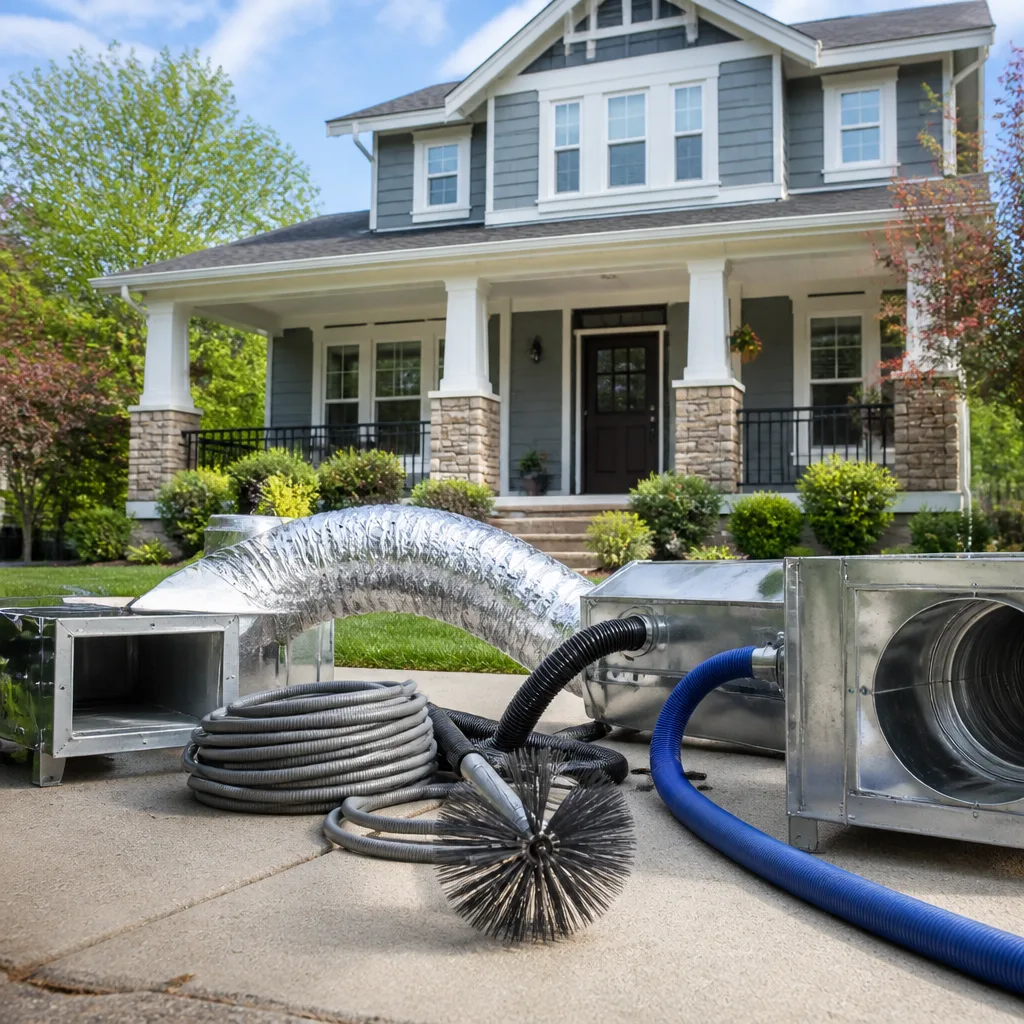 Whole-home duct cleaning
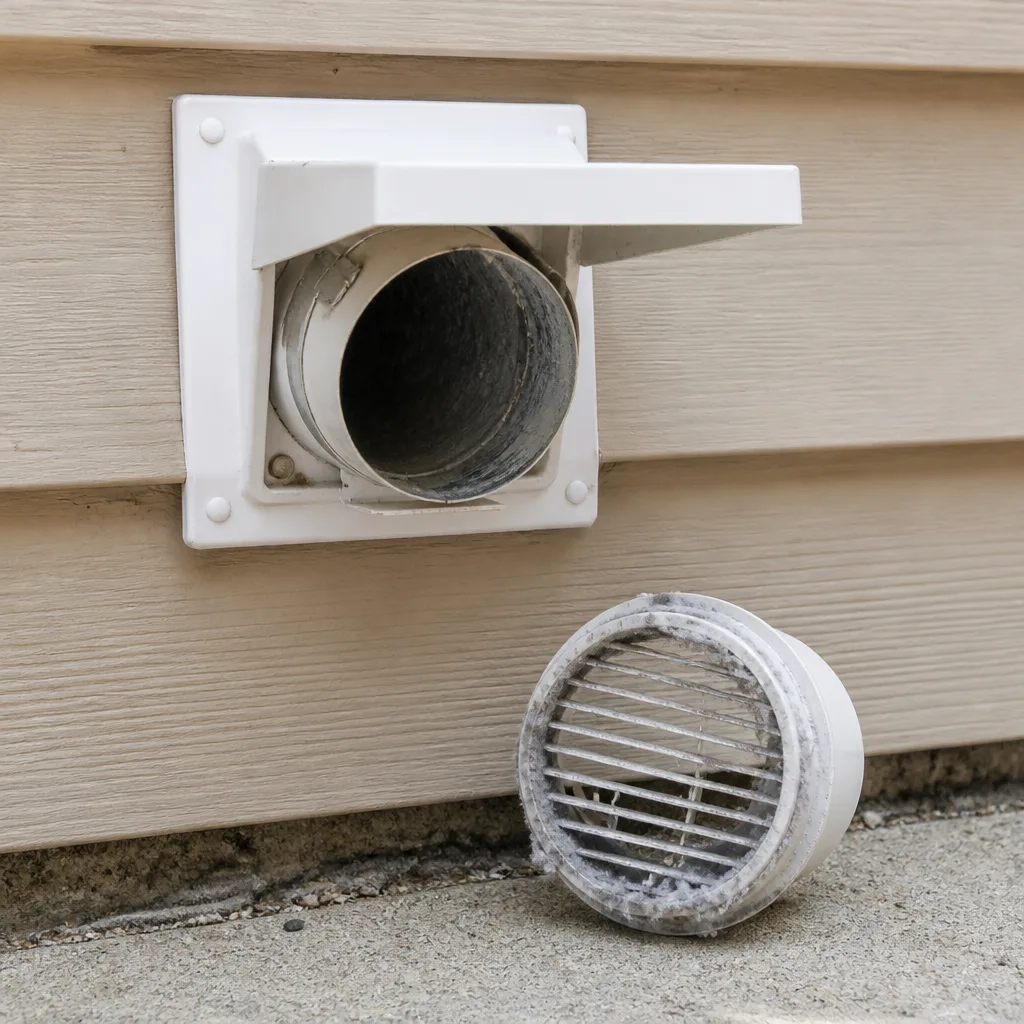 Dryer vent cleaning
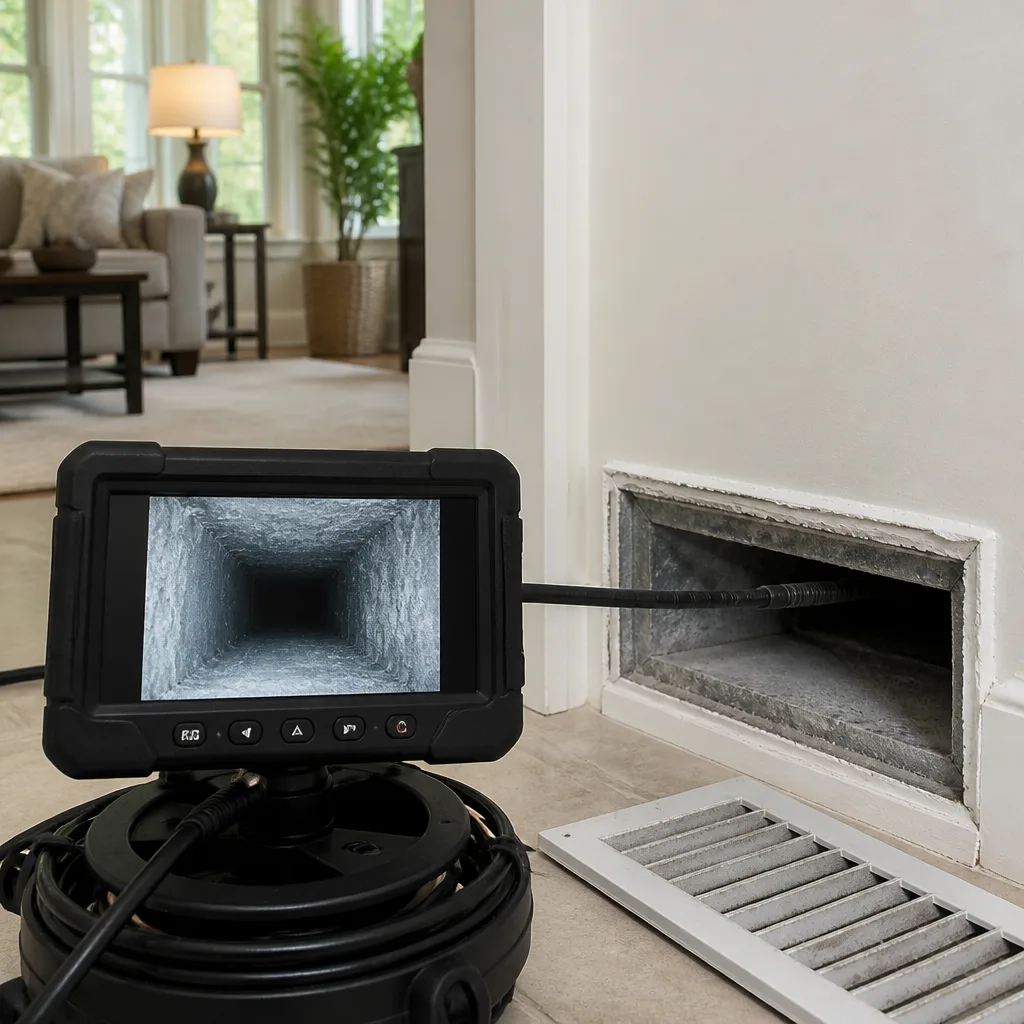 Camera inspection
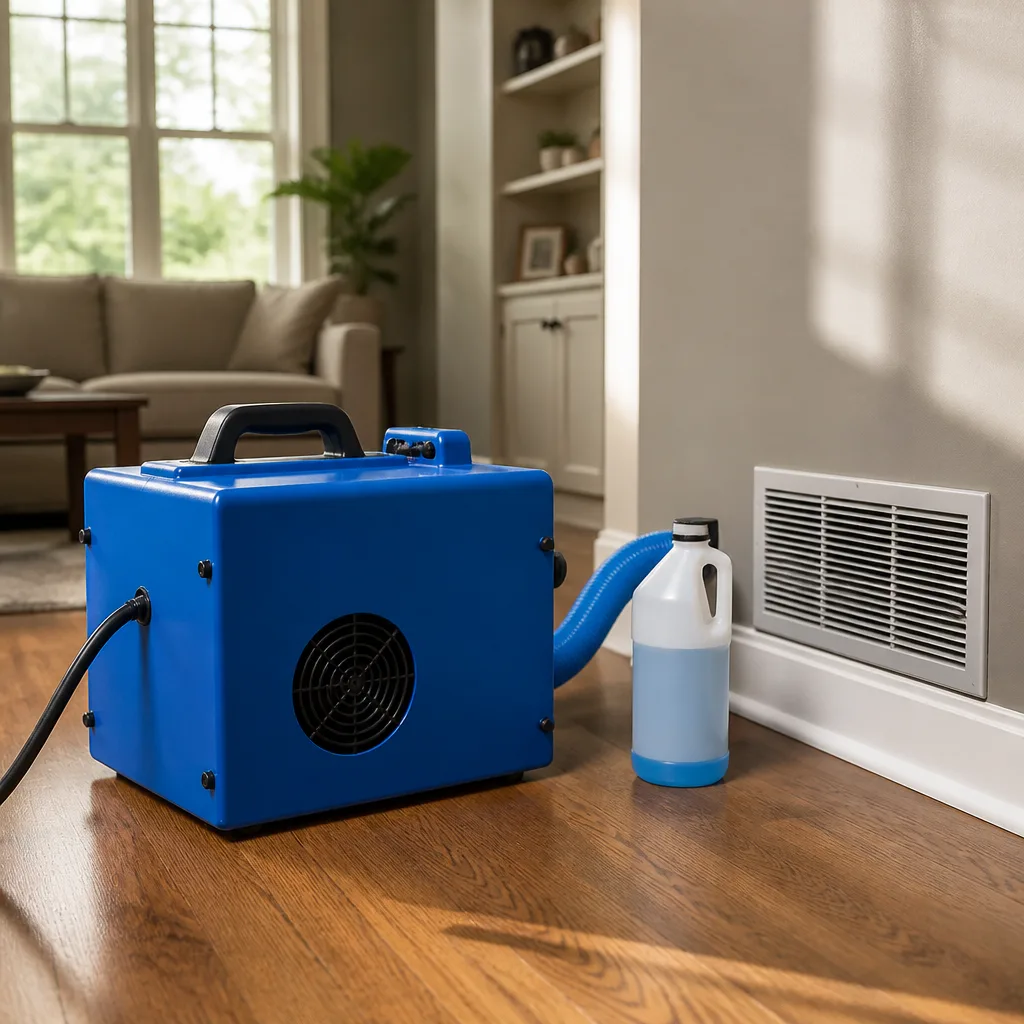 Sanitizing & deodorizing
Whole-system duct and dryer vent check with before-and-after photos - you see exactly what came out of your vents
That "$99 whole-house special" is a bait ad - the real number appears once they are in your hallway, or the "clean" is a shop-vac at the register. We photograph the inside of your ducts before and after instead.
The Complete Guide to Air Duct Cleaning in Washington Heights
Most duct cleaning advice online was written for suburban houses with straight sheet-metal runs and a single furnace. Washington Heights is not that place. A large share of the neighborhood’s apartment buildings went up before 1960, and many were designed around coal or oil heat that has long since been converted or replaced. The ducts that remain in those buildings are often hybrids: original shafts carrying decades of soot, later retrofits lined with fiberglass, and additions of flex duct stitched in wherever a wall moved. That means debris profiles here look nothing like the ones standard cleaning protocols were built for. This guide explains what is actually inside Washington Heights ductwork, why the equipment matters, and how to verify a job was done properly when you can’t see inside the system yourself.
Quick Answer
Air duct cleaning in Washington Heights means removing accumulated soot, fiberglass dust, and biological buildup from a building stock that is often older and more irregular than the equipment was designed for. In pre-war and mid-century buildings, that usually requires negative-pressure containment, rotary agitation suited to narrow or lined runs (Rotobrush and Nikro are the tools built for this), and a scope that covers shared risers and HVAC components rather than just the visible grilles. Verification should rely on before-and-after documentation and equipment readings, not on how clean the register looks when the crew leaves.
Styles & brands we work with
- Whole-home duct cleaning
- Dryer vent cleaning
- Camera inspection
- Sanitizing & deodorizing
Table of Contents
- Why Washington Heights Ductwork Is Different
- What Pre-War Conversions Mean for Your Ducts
- Shared Risers in Multi-Family Buildings
- The Particulate Load in Upper Manhattan
- What Professional Equipment Actually Does
- How to Verify a Cleaning Was Done Right
- Duct Sealing and Why Cleaning Alone Isn’t Enough
- How Often Ducts Need Cleaning Here
Why Washington Heights Ductwork Is Different
Washington Heights sits at the northern tip of Manhattan, and its building stock reflects a very particular slice of New York history. A significant portion of residential buildings here were constructed before 1960. Many were built for steam or forced-air systems fed by coal or heating oil, and over the following decades those systems were converted to gas, split into separate zones, or partially replaced. The ductwork left behind is rarely one consistent material or size.
What that produces, in practice, is a hybrid system. An original central shaft may carry a century of soot. A retrofit in the 1970s or 1980s may have introduced fiberglass-lined duct board that has since shed particles into the airflow. A later renovation may have spliced in sections of flex duct that sag, kink, or collect moisture. Biological growth often follows wherever condensation gathers in those mixed sections.
This is the single biggest reason a generic “one-price, one-hour” duct cleaning offer tends to disappoint in Washington Heights. The debris isn’t uniform, so the cleaning method can’t be uniform either. A technician who shows up with a shop-vac and a hose will pull loose surface dust from the first few feet of a run and leave the rest untouched, especially on the soot-cemented walls of older shafts.
We’ve seen this pattern repeat across the neighborhood’s co-op conversions and rental stock. The system looks fine at the grille, but the interior tells a different story. The right approach starts with a proper inspection: understanding what materials are present, where the contamination sits, and what access the building allows before any equipment is brought in.
If you want the direct service, you can read more about air duct cleaning Washington Heights or keep reading this guide to understand the technical picture first.
What Pre-War Conversions Mean for Your Ducts
The word “pre-war” gets used loosely in real estate, but technically it describes buildings constructed before World War II, and in Washington Heights those structures make up a large portion of the housing stock. What matters for duct cleaning is not the year itself but what happened in the decades after. A building built in the 1920s for a coal-fed warm-air system had gravity ducts sized and routed very differently from what a modern blower-driven system wants. When those ducts are later connected to a newer furnace or air handler, the airflow characteristics change, and so does the way debris settles.
The debris has three recognizable layers in most pre-war conversions:
- Soot and combustion residue. Decades of coal or oil heating leave a fine, adhesive carbon film on original duct walls. It doesn’t vacuum up with light suction. It needs mechanical agitation, and in some cases it needs chemical pre-treatment so it doesn’t re-aerosolize during cleaning.
- Fiberglass particulate. Retrofits often added fiberglass-lined duct board or woven flex duct. Over time those materials break down and shed fine glass fibers into the airstream. Cleaning fiberglass-lined ducts requires gentler agitation than metal, or the lining is damaged.
- Biological growth. Anywhere moisture collects (a sagging flex section, a poorly sealed connection near a bathroom exhaust, a cold duct running through a warm apartment) you can get biological growth. Cleaning without addressing the moisture source just means it returns within a season.
This is why we sequence the work rather than running one pass and calling it done. Combustion residue is loosened and extracted first. Fiberglass-lined sections are treated on a separate pass with gentler tooling. Biological issues are addressed only after the moisture source is identified, and only then does sanitizing make sense. That layered approach is what the pre-war stock actually requires.
The same logic applies to coated or painted duct interiors, which appear in some older conversion buildings. Aggressive rotary tooling can scuff a coating and expose bare metal, which becomes a future corrosion problem. A careful technician tests the interior before choosing a brush head.
Shared Risers in Multi-Family Buildings
Walk through almost any older multi-family building in Washington Heights and you’ll see the same architecture: a central vertical riser carrying conditioned air up through multiple floors, with branch ducts feeding each apartment. In single-family homes, duct cleaning is a self-contained job. In a riser building, the cleaning is a building-level project, and the approach has to reflect that.
There are three practical consequences:
- Contamination travel. A dirty riser contaminates every apartment connected to it. Cleaning one unit’s branch line without addressing the riser is largely cosmetic. The particulate re-enters through the shared shaft.
- Access and coordination. Cleaning a riser means gaining access on multiple floors, coordinating with residents, and in many buildings coordinating with a super or managing agent. This is scheduled work, not a drop-in job.
- Containment. Negative-pressure containment is non-negotiable in a shared riser. Without it, loosened debris from a lower floor can travel upward into apartments not being cleaned. Abatement Technologies filtration equipment exists precisely for this: it holds a negative pressure inside the working zone so contamination stays put.
If you manage a multi-family building in Washington Heights, the right starting point is a survey of the whole riser system, not a per-apartment quote. We’ve found it useful to map which branches are original metal, which are retrofit, and which show signs of past moisture intrusion before any equipment runs. That map becomes the cleaning plan and the verification baseline.
For buildings that have had partial renovations, the picture is even more complicated. A riser that was replaced on the top three floors and left original below needs a different tooling sequence on each section. That’s routine when the technician knows what to look for, and it’s a red flag when the cleaning proposal doesn’t mention it.
The Particulate Load in Upper Manhattan
Washington Heights sits under one of the busiest traffic corridors in the city. The approach to the George Washington Bridge feeds constant vehicle traffic through the neighborhood’s surface streets, and the elevated subway corridors along Broadway and St. Nicholas Avenue add their own particulate. The result is a higher baseline of airborne fine particulate than most suburban duct-cleaning guides account for.
What that means practically: filters foul faster here than the manufacturer’s replacement schedule suggests, and duct interiors accumulate fine dust at a faster rate than in low-traffic areas. That doesn’t mean ducts need cleaning constantly. It means the filter is doing more work, and when the duct surface does start to hold contamination, it builds faster than a homeowner expects.
Three factors drive the loading specifically in this neighborhood:
- Bridge corridor traffic. Exhaust and brake dust settle on window sills, in return-air grilles on low floors, and in any fresh-air intake that isn’t well filtered.
- Elevated train corridors. Wheel and track wear produce fine metallic and carbon particulate that drifts into nearby buildings.
- Dense street-level activity. Constant vehicle traffic, deliveries, and construction churn the air near ground level, and the particulate that gets drawn into a building’s HVAC system is heavier because of it.
The practical fix isn’t just more frequent duct cleaning. It’s better filtration. A properly sized high-MERV filter, changed on a realistic schedule for this neighborhood, reduces what reaches the duct walls in the first place. Honeywell and Aprilaire filtration products are part of the reason we integrate air quality into the cleaning conversation rather than treating it as an upsell: filtering correctly upstream means the cleaning lasts longer.
Buildings near the bridge approaches and along the elevated train corridors tend to show contamination first in the return-air side. That’s where unfiltered air enters the system, and it’s where a technician should look first when diagnosing a building’s particulate problem.
What Professional Equipment Actually Does
Here’s the part of the conversation most cleaning companies skip: the equipment matters more than the price list. A wet-vac or a generic blower can pull dust from the first few feet of a straight duct. It cannot agitate soot off the walls of a narrow pre-war riser, and it cannot reach a flex duct that takes a sharp 90-degree bend two feet inside a wall.
Purpose-built duct-cleaning equipment is engineered for exactly those conditions. Here’s what the main categories actually do:
- Rotary agitation systems (Rotobrush and similar). A spinning brush head on a flexible shaft is fed through the duct and agitates contamination off the duct wall as it travels. Different brush heads are selected for metal, fiberglass-lined, or flex duct. On a narrow pre-war riser, the smaller brush heads are what allow the technician to reach past the first bend.
- High-volume negative-pressure extraction (Nikro and similar). A large HEPA-filtered vacuum pulls air (and the loosened contamination) out of the system while it’s being agitated. Without strong negative pressure, loosened debris simply re-deposits downstream.
- Containment-grade filtration (Abatement Technologies). In multi-unit and light-commercial work, this is what holds a negative pressure inside the working zone. It’s the difference between real containment and “we’ll try not to make a mess.”
- Filtration and finishing products (Honeywell, Aprilaire, Guardsman). Filtration upgrades reduce future loading, and Guardsman-brand products represent the finish-and-protect side of the job, which is what keeps a cleaned system clean longer than a plain vacuum pass.
If you’re curious specifically about the HVAC side of the system, we cover hvac cleaning separately. The point to hold onto here is that “professional equipment” isn’t a marketing phrase. It’s a category of tool that either reaches the contamination inside an older Washington Heights duct or doesn’t.
Our technicians have up to 13 years of experience, and that experience matters most on irregular duct runs where the tool has to be chosen by feel and by what the interior shows, not by a one-size script.
How to Verify a Cleaning Was Done Right
This is the question every research-driven homeowner and property manager eventually asks: how do I know the work was actually done, when I can’t see inside my own ductwork? It’s the right question. It’s also where the low-quote end of the market falls apart. Answer it with documentation, not assurances.
A verifiable cleaning has five components you can check:
- Before photos from inside the duct. A technician using a proper inspection camera documents contamination along the length of the run before cleaning. If a company won’t show you before photos, don’t proceed.
- After photos from the same locations. The after photos should be from the same access points and same length inside the run. Photos of clean grilles tell you nothing about the duct interior.
- Pre- and post-cleaning filter condition. For systems with accessible HEPA filtration, the filter change before versus after cleaning tells you how much particulate the work actually removed.
- Scope documentation. A written scope before work starts, listing every duct run and component to be cleaned. That scope is the reference for the after-work verification.
- Written record of what was found. Notes on soot layers, fiberglass condition, biological indications, and any moisture source encountered. That record tells you what the cleaning addressed and what needs follow-up.
We document every job this way, and the reason isn’t marketing. It’s that older Washington Heights ductwork has too many material types for a verbal “we cleaned it” to be useful. The photos and the scope are the honest record. If a company can’t produce them, that tells you everything you need to know about the equipment and the process.
For a deeper explanation of the cleaning itself, our air duct cleaning page covers the standard process step by step.
Duct Sealing and Why Cleaning Alone Isn’t Enough
Cleaning a system that leaks is temporary work. In pre-war and mid-century buildings, and especially in multi-family conversions where ducts have been cut, moved, or spliced, small gaps and poorly sealed joints are common. Every gap does two things: it loses conditioned air into the wall, and it pulls unfiltered air (and whatever is in the wall cavity) back into the duct. Clean the system without sealing it and it re-contaminates from the leaks within a season.
The signs that sealing should be part of the job:
- Uneven airflow between rooms or apartments on the same riser.
- A musty smell that returns shortly after cleaning.
- Visible gaps at duct joints where old metal sections were spliced during a renovation.
- Dust accumulating in rooms specifically at the wall or floor near a duct run.
Our duct repair & sealing page goes deeper on the mechanical side. The point worth carrying out of this guide: in Washington Heights, cleaning and sealing are usually the same conversation. Sealing first makes the cleaning last longer. Cleaning first makes the sealing easier to do correctly, because the technician can see the joints without decades of debris in the way. We sequence them by an inspection that determines which order the building needs.
The same logic extends to dryer vent cleaning. Dryer vents are a separate system, but they share the same hazard profile with older buildings: lint accumulates in long, irregular runs, and the fire risk is real. NFPA guidance treats dryer vent cleaning as a routine safety item, and we treat it as its own dedicated service rather than an add-on squeezed into a duct cleaning visit.
How Often Ducts Need Cleaning Here
There is no single correct interval, and any company that gives you one number without inspecting your system is guessing. The honest answer is that the right interval depends on the building, the filtration, and the filtration discipline of the people living in it.
That said, there are indicators that a cleaning is due, and in Washington Heights those indicators appear sooner than the national default cadence because of the pre-war stock and the particulate load:
- The return-air grilles show visible dust within a few weeks of replacement.
- Musty or stale odors appear when the HVAC system runs.
- Airflow varies noticeably between rooms that should be balanced.
- A recent renovation left construction dust visible at the registers.
- It’s been more than a typical interval since the last documented cleaning.
- A new occupant has moved into a building with no known maintenance history.
For most residential systems in this neighborhood, inspection every couple of years and cleaning when the inspection shows it’s needed makes more sense than a fixed calendar. For multi-family buildings on shared risers, the interval tends to be driven by the worst-performing unit in the riser, not the best. A single apartment with a moisture issue or a fouled filter is often the trigger for a building-level inspection.
We help property managers and homeowners set a realistic inspection cadence during the free estimate. The written estimate afterward sets the price, so you know the cost before any work begins. One flat price per system, agreed up front, with before-and-after photos as part of the job.
Common Mistakes to Avoid
- Choosing the lowest bid. In a neighborhood where pre-war shafts and fiberglass-lined retrofit sections require different tooling on different runs, a quote that prices every system the same way almost always means shortcuts inside the duct. The cheap quote is cheap because someone is skipping agitation or skipping containment.
- Accepting clean-grille photos as proof. A cleaned grille tells you nothing about the five feet of duct behind it. Insist on before-and-after photos from inside the duct itself, at the same locations.
- Cleaning a shared riser without containment. In a multi-family Washington Heights building, running a vacuum without negative-pressure containment can push loosened contamination into apartments that aren’t being cleaned. Containment equipment isn’t optional here.
- Cleaning without addressing the filter. If the filtration upstream isn’t doing its job, the cleaned duct re-fouls within a season, especially near the bridge corridors and elevated train lines where particulate load is higher.
- Skipping the moisture diagnosis. Sanitizing a duct that still has a moisture source just resets the clock. The biological growth returns. Any honest cleaning in an older building starts with a moisture check.
- Treating dryer vent cleaning as an optional add-on. Dryer vents in older Washington Heights buildings can run longer and bend more than modern construction allows, and lint accumulation is a genuine fire hazard. It deserves its own scheduled service, not a quick pass at the end of a duct job.
- Assuming the previous owner maintained the system. In a building with no documented cleaning history, the pre-purchase inspection should include the ducts. Old soot layers and fiberglass debris don’t announce themselves at the grille.
See the difference
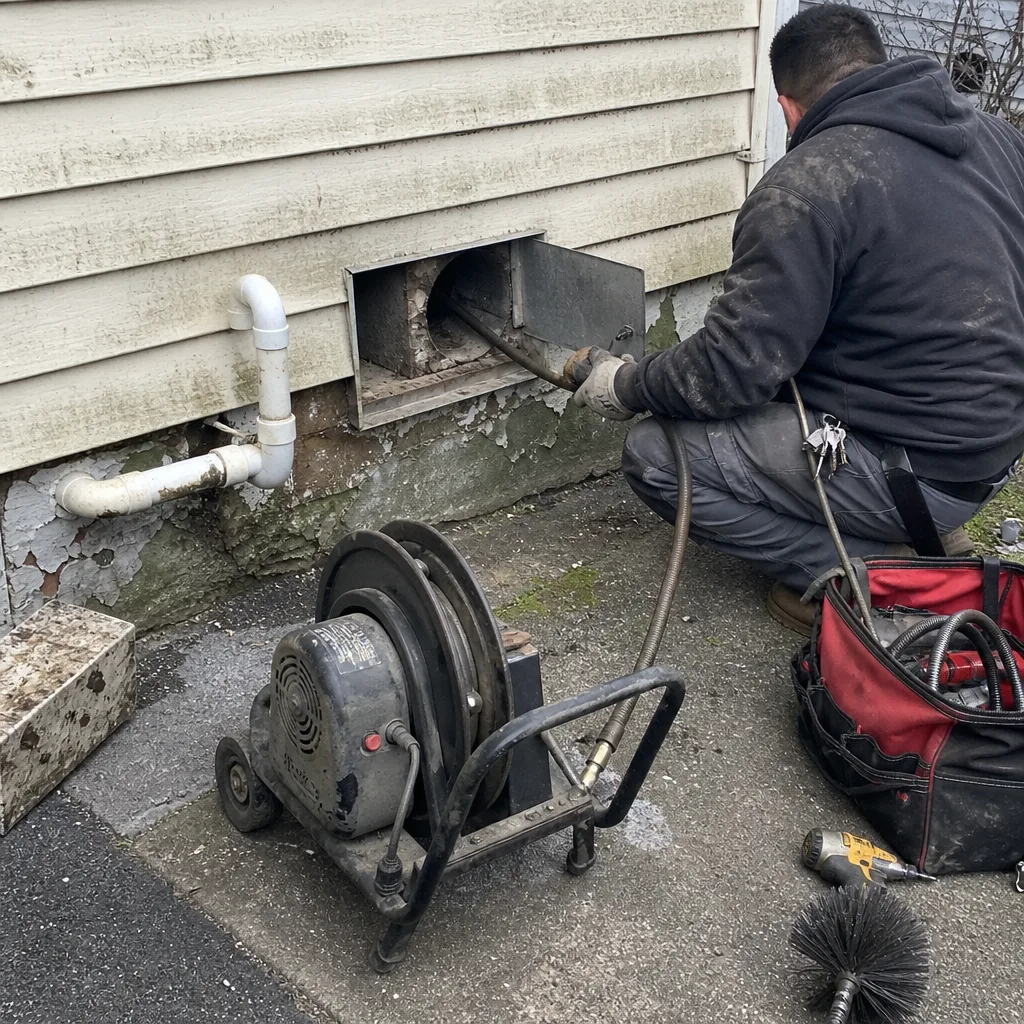 Before
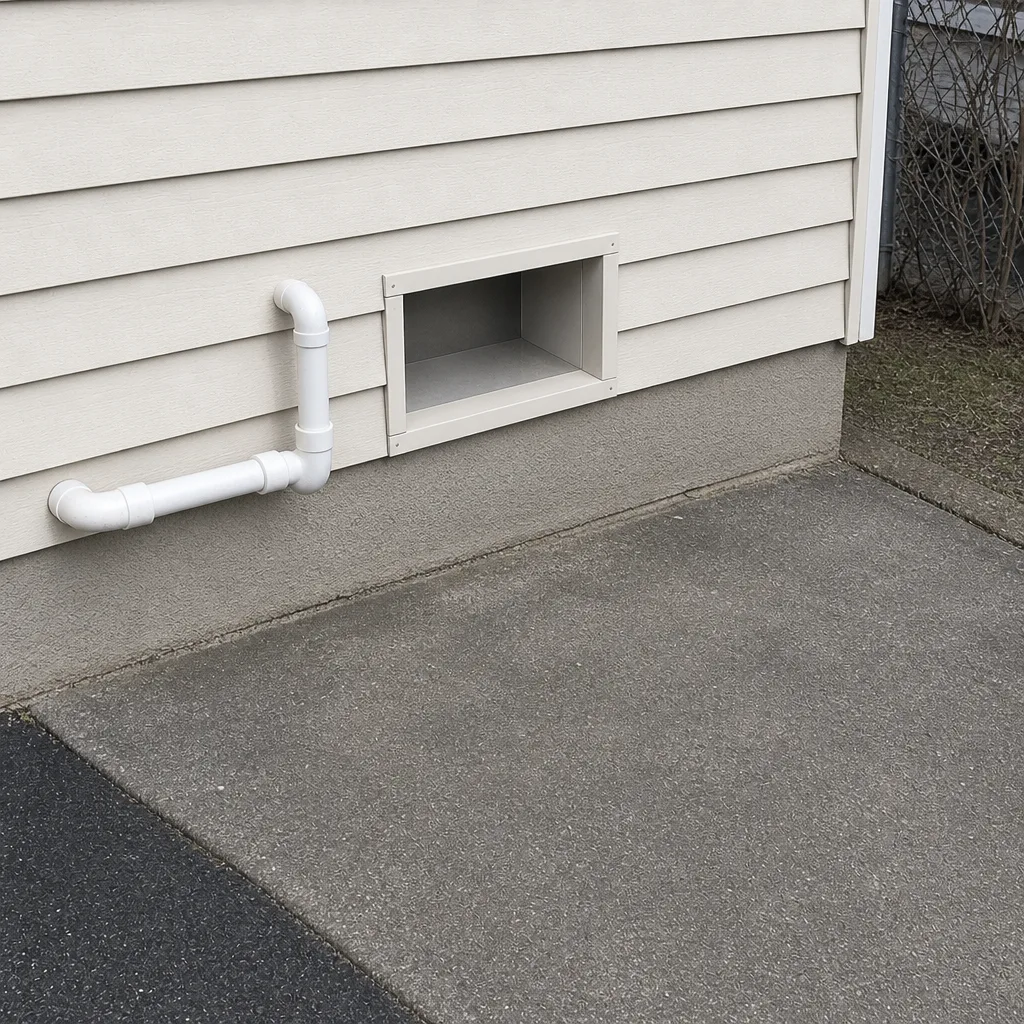 After
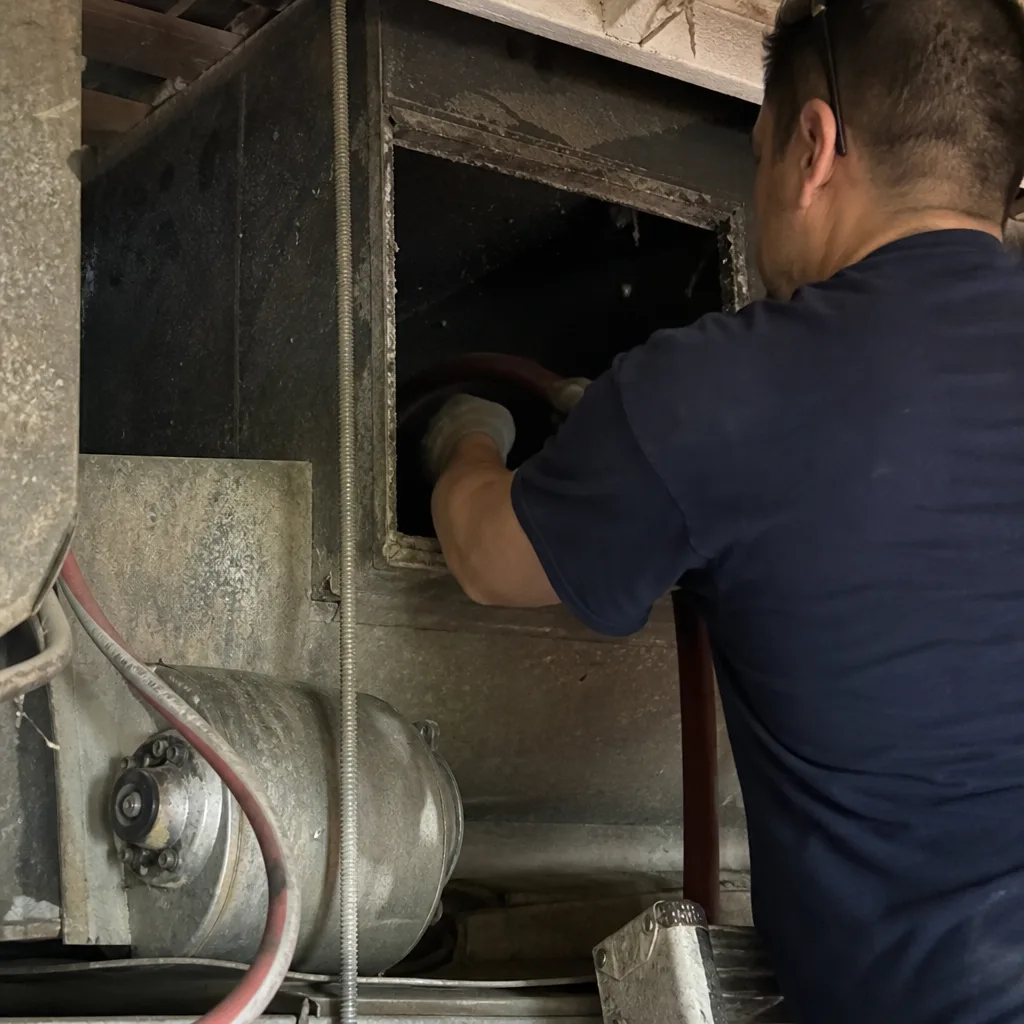 Before
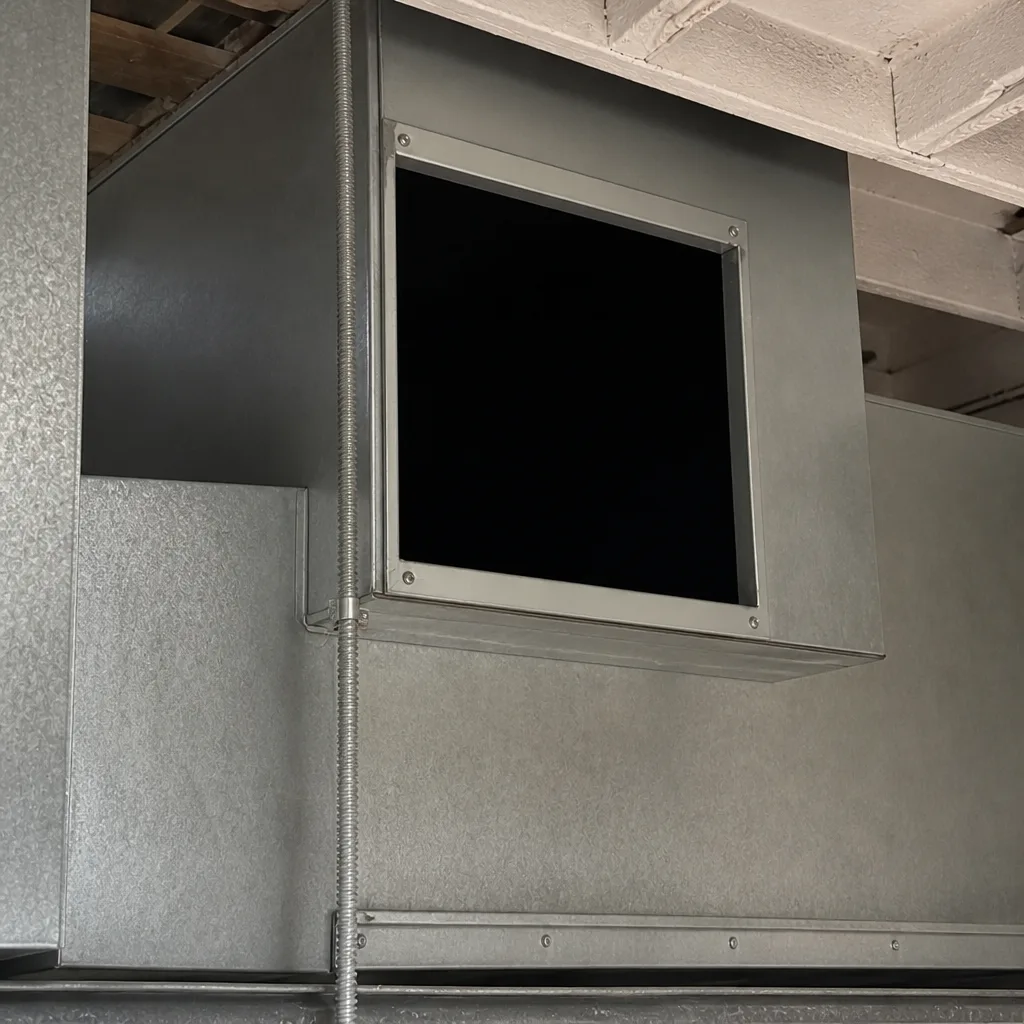 After
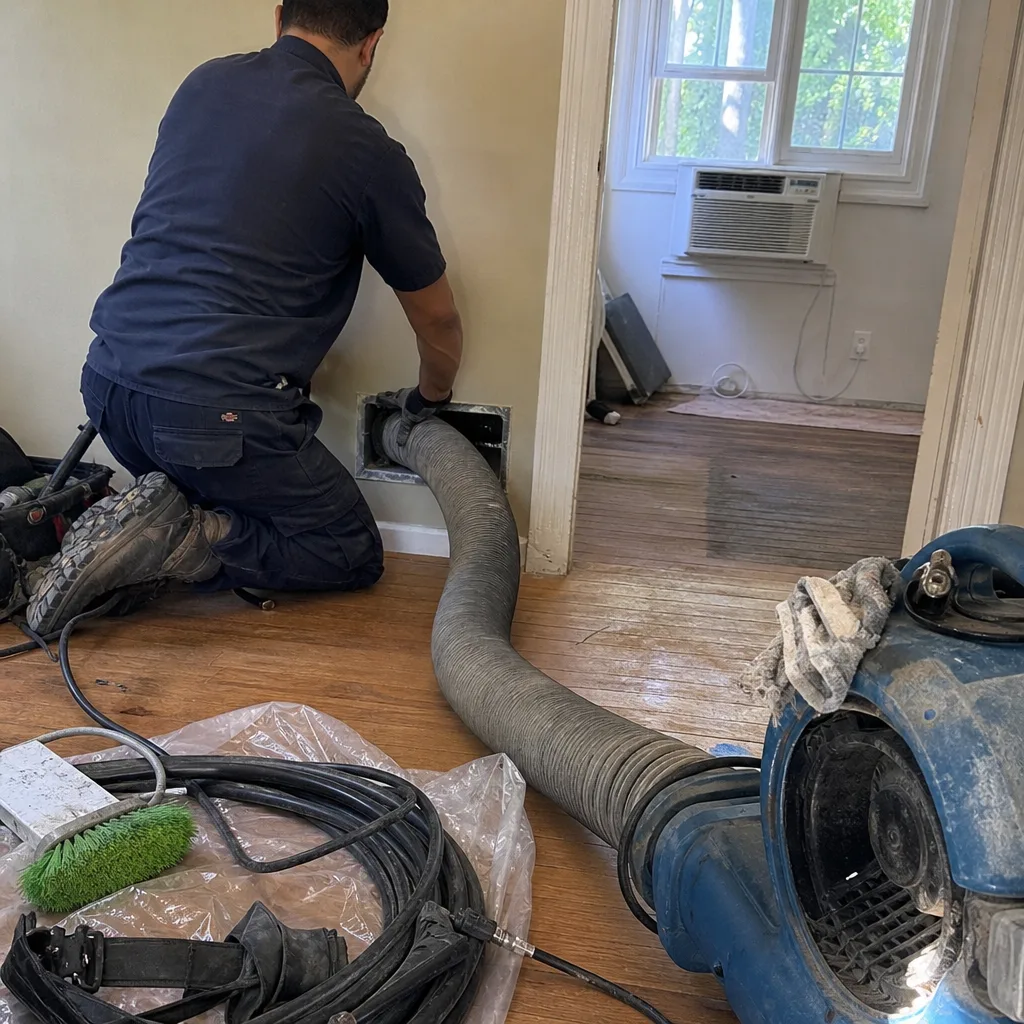 Before
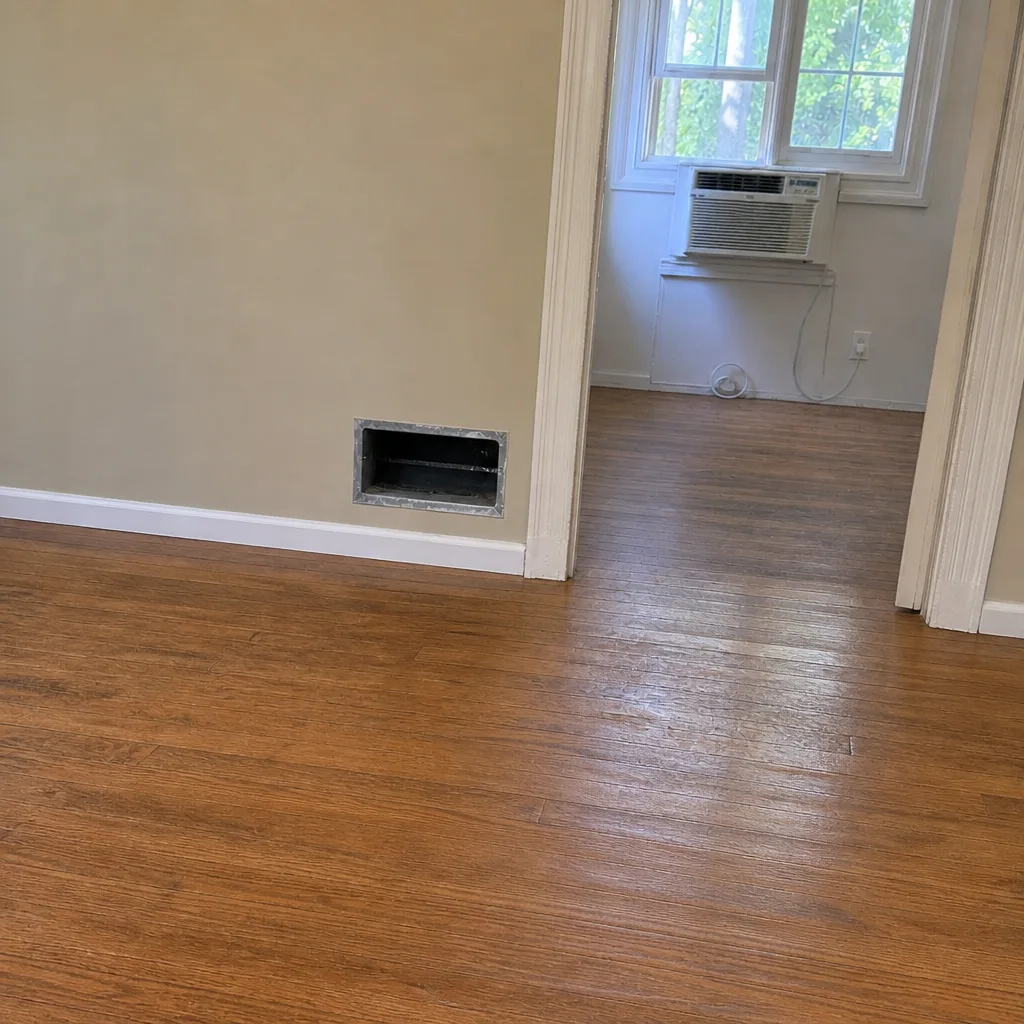 After
When to Call a Professional
Some duct problems are cosmetic. Others genuinely warrant a professional visit. Call when you notice musty odors tied to the HVAC system, visible dust at return grilles within weeks of a filter change, uneven airflow between rooms, or clear signs that construction or a renovation has driven dust into the ducts. Call if you’ve moved into a building in Washington Heights with no documented duct cleaning history, or if you manage a multi-family property with a shared riser that has never been inspected. Call if the dryer is taking longer to dry clothes, which can signal a loaded vent. Do not attempt to clean duct interiors yourself; the soot layers in older buildings and the risk of releasing fiberglass particulate make professional extraction and containment the right approach. Air Duct Cleaning Washington Heights offers free estimates in Washington Heights – call (877) 792-7271. We answer 24/7. Fast dispatch from 7am to 7pm, Sunday through Friday.
Frequently Asked Questions
Prices depend on the system: single-family homes typically fall in a different range than multi-family risers, and pre-war conversions with mixed duct materials take longer than modern straight runs. The honest answer is that the only accurate number comes from a written estimate after an inspection, because a company that quotes a flat number over the phone hasn’t seen the ductwork. Call (877) 792-7271 for a free estimate; the price is set per system by the written estimate before work begins.
Cheaper quotes are almost always a shorter job, not a better price. In Washington Heights that usually means one pass with generic suction equipment, no containment on shared risers, and no before-and-after documentation. A real cleaning in a pre-war building requires agitation matched to the duct material, negative-pressure extraction, and verification photos. Call (877) 792-7271 to compare a proper scoped estimate to what you’ve been quoted elsewhere.
You verify it with documentation: before-and-after photos taken from inside the duct at the same access points, a written scope agreed before work starts, and a record of what was found (soot layers, fiberglass condition, any moisture source). If a company can’t provide that documentation, the cleaning is unverified. Call (877) 792-7271 for an estimate that includes the verification record as part of the job.
There’s no single fixed interval; the honest answer is inspection every couple of years and cleaning when the inspection shows it’s needed. Because of the pre-war building stock and the higher particulate load near the bridge approach and elevated train corridors, ducts here can foul faster than the national default cadence suggests. Call (877) 792-7271 for a free inspection estimate and an honest interval recommendation for your specific system.
Yes, with containment. Cleaning a shared riser without negative-pressure containment can push loosened debris from one floor into apartments on another, which is why proper containment equipment (Abatement Technologies and similar) is standard on multi-unit jobs. Coordination with the building’s managing agent is part of the scope. Call (877) 792-7271 to discuss a building-level inspection.
Yes, dryer vent cleaning is a dedicated service we offer separately from duct cleaning. Lint accumulation in long or heavily bent dryer vent runs is a real fire hazard, and it’s a service many duct cleaners treat as an afterthought. If your dryer is taking longer to dry clothes or the vent run is irregular, call (877) 792-7271 for an estimate.
Usually the sequence is determined by an inspection of the specific system. In most older Washington Heights buildings, cleaning first makes the sealing easier to do correctly, and sealing first reduces re-contamination from leaks. The right order depends on how much debris sits at the joints you’d need to seal. After the estimate, the sequence is written into the scope. Call (877) 792-7271 to schedule the inspection.
The Bottom Line
Duct cleaning in Washington Heights is not the same category of work as duct cleaning in a suburban house. The pre-war building stock, the mixed-material conversions, the shared risers, and the particulate load from the bridge corridor and elevated train lines all shape what a real job requires. The short version: get an inspection, get a written scope and a flat per-system price before work starts, insist on containment-grade equipment on multi-unit systems, and verify with before-and-after photos from inside the duct. If you want the job done with the equipment and documentation this building stock requires, Air Duct Cleaning Washington Heights can walk through it with you. Call (877) 792-7271 for a free estimate. We answer 24/7. Fast dispatch from 7am to 7pm, Sunday through Friday.
Written by the team at Air Duct Cleaning Washington Heights.