
Last updated November 22, 2026
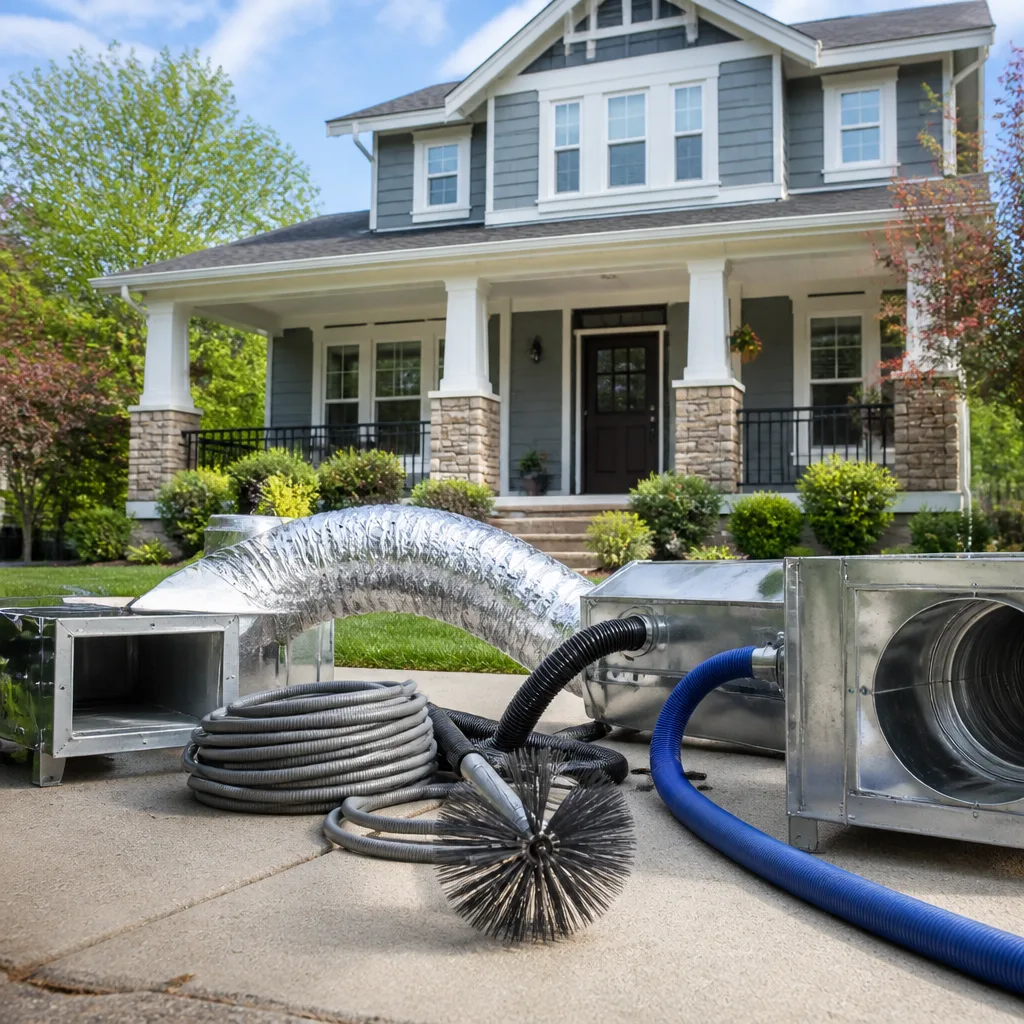 Whole-home duct cleaning
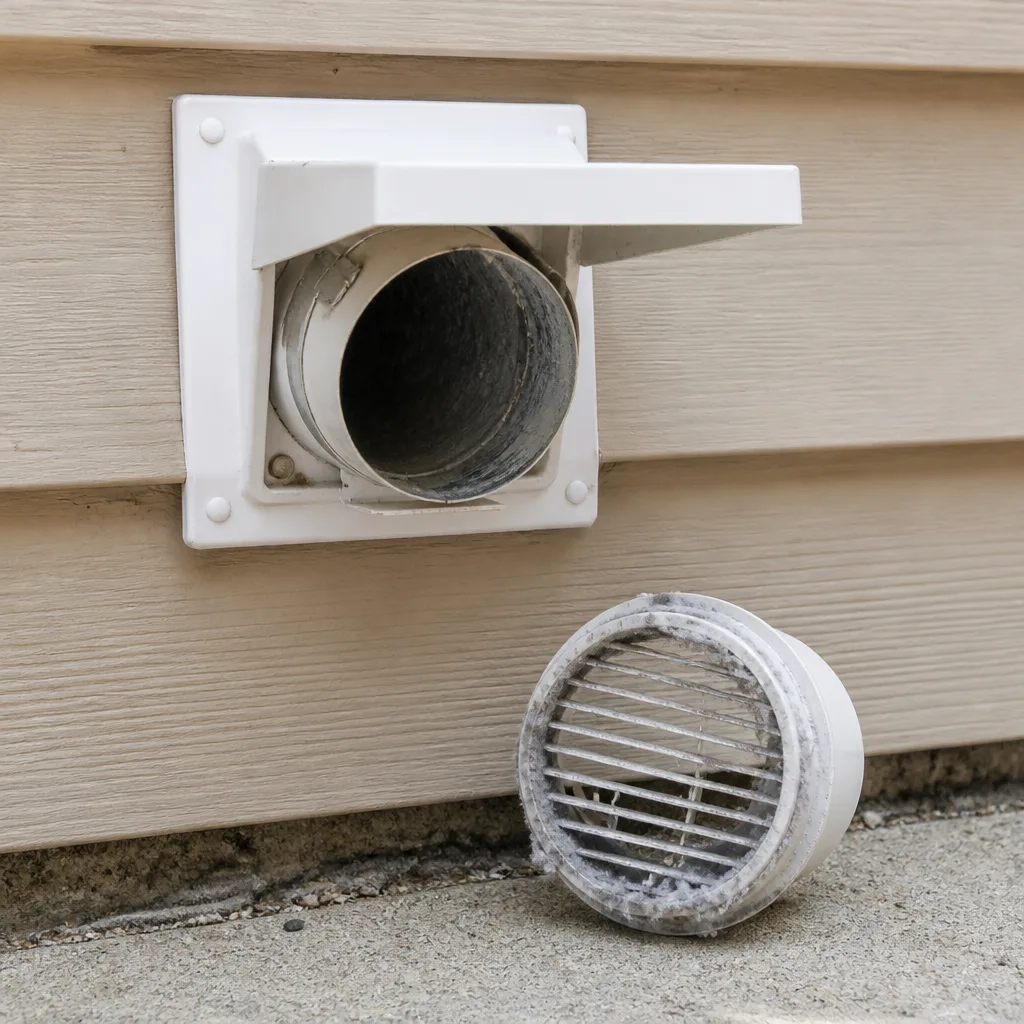 Dryer vent cleaning
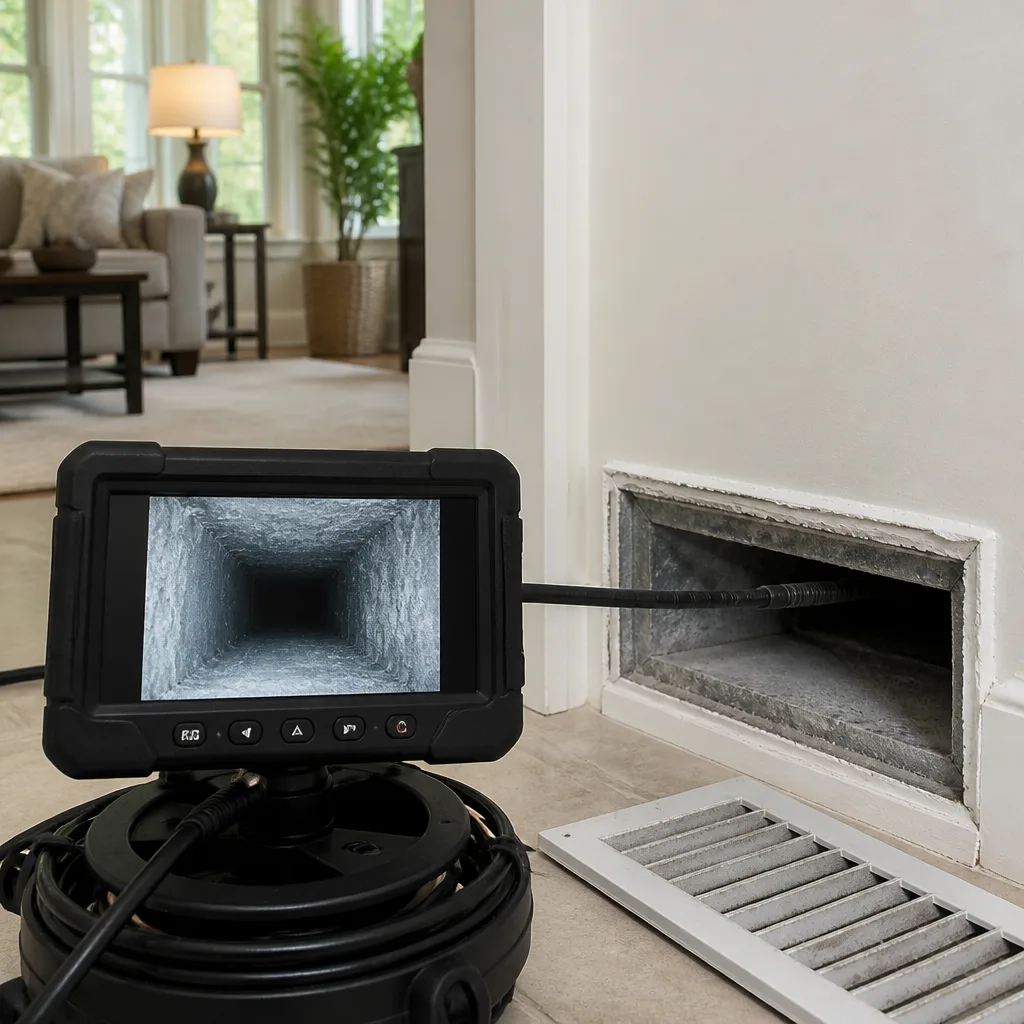 Camera inspection
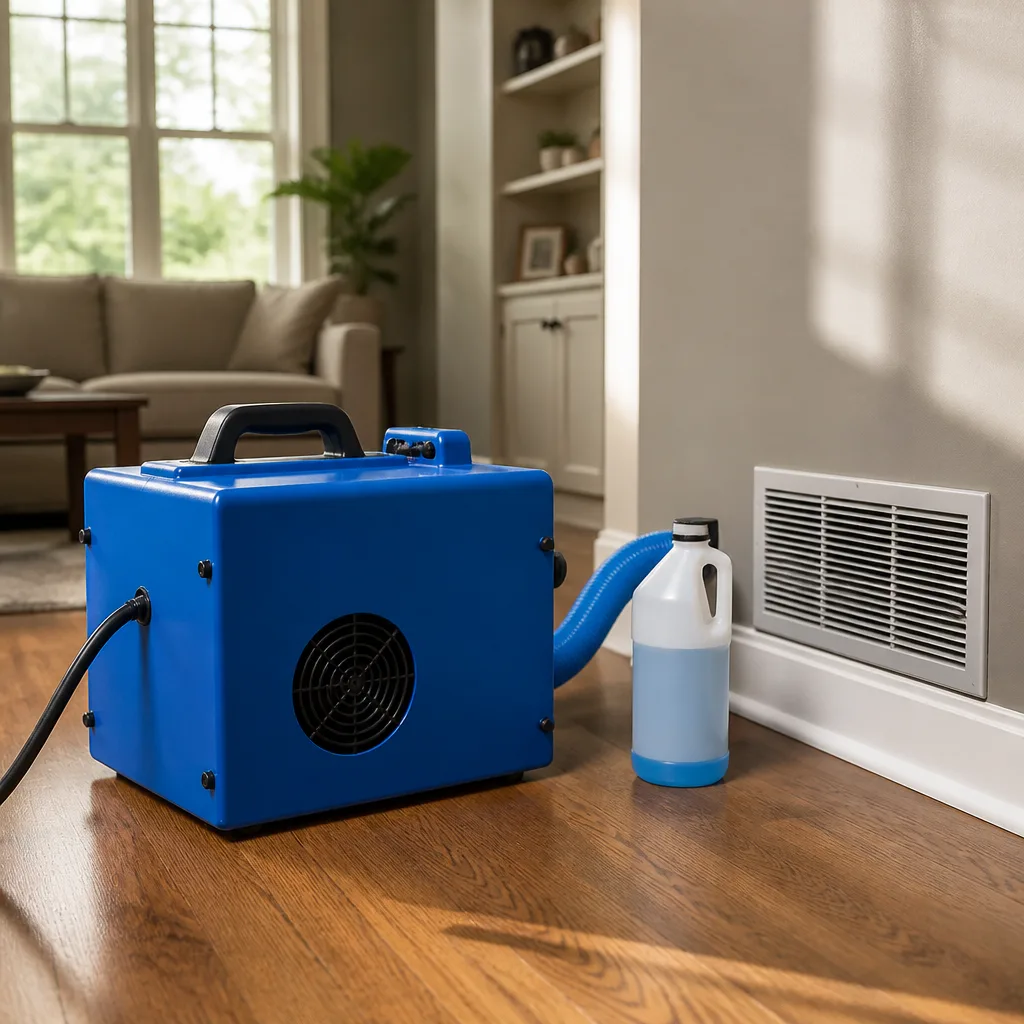 Sanitizing & deodorizing
Whole-system duct and dryer vent check with before-and-after photos - you see exactly what came out of your vents
That "$99 whole-house special" is a bait ad - the real number appears once they are in your hallway, or the "clean" is a shop-vac at the register. We photograph the inside of your ducts before and after instead.
How to Hire an Air Duct Cleaning Contractor in Washington Heights: A Step-by-Step Guide
NADCA membership gets repeated everywhere as the gold standard for hiring a duct cleaner. It’s a useful signal, but it’s an administrative credential: it requires no equipment inspection and no field audit. It tells you a company paid dues and signed a code of ethics. It doesn’t tell you what machine will be attached to your ducts, whether the technician understands negative pressure, or whether the “before” photo they show you is even your system. In a market as unregulated as air duct cleaning, the vetting has to do what licensing doesn’t. This guide is a technical screening process you can run before anyone opens your ductwork in Washington Heights, from the first phone call to the signed scope of work.
Quick Answer
To hire an air duct cleaning contractor in Washington Heights, verify four things before you book: the specific equipment they’ll use (purpose-built duct cleaning systems like Rotobrush or Nikro, not shop-vacs), a written pre-cleaning inspection report rather than a verbal quote, proof of insurance that goes beyond basic general liability if you live in a multi-unit building, and a written scope of work that names what’s included and what’s not. Ask for before-and-after photos of your own ducts, agree one flat price per system before work starts, and get the scope in the contract. Everything else is sales talk.
Styles & brands we work with
- Whole-home duct cleaning
- Dryer vent cleaning
- Camera inspection
- Sanitizing & deodorizing
Table of Contents
- Why This Trade Is Barely Regulated – and Why That Matters
- The Equipment Questions That Reveal Real Capability
- How to Request and Read a Pre-Cleaning Inspection Report
- NYC Insurance Requirements and the Multi-Unit Trap
- Washington Heights Red Flags: Door Knocks, $99 Specials, Bait-and-Switch
- Writing a Scope of Work Into the Contract
- How to Verify the Work Was Actually Done
- How Often Ducts Really Need Cleaning in Washington Heights
Why This Trade Is Barely Regulated – and Why That Matters
Air duct cleaning is one of the least regulated trades a homeowner will ever hire into. In most states there is no dedicated duct-cleaning license, no minimum equipment standard, and no required training. Anyone who can buy a vacuum and print a flyer can call themselves a duct cleaning company. Compare that to electrical work or plumbing, where a license, an exam and a code framework exist. Duct cleaning has none of that structure by default.
That gap is exactly why the vetting process has to replace what licensing normally does for you. When you hire an electrician, a license number is a floor. When you hire a duct cleaner, there’s no floor unless you build one. The verification you do before booking is the entire quality control layer.
What actually regulates the field, loosely, is a patchwork:
- Industry standards set by organizations like NADCA, which describe how a cleaning should be performed and documented, but which are voluntary unless a contractor adopts them.
- Insurance requirements imposed by building owners, co-op boards and property managers, which vary by building.
- Consumer protection law, which addresses fraud after the fact but doesn’t prevent a bad job.
In our experience, the difference between a job that holds and one that fails within a season comes down to equipment and containment, neither of which a license would guarantee anyway. What we can say is this: the contractors who do the work properly tend to have nothing to hide about how they do it. Ask a specific equipment question and watch whether the answer is technical or evasive. In a trade with no licensing floor, that response is the closest thing to a credential you’ll get. The rest of this guide gives you the exact questions to ask.
The Equipment Questions That Reveal Real Capability
The single most revealing question you can ask is: what equipment will be in my apartment? A capable duct cleaner uses purpose-built systems designed for the job, not repurposed equipment. The answer tells you more than any review or badge.
Here’s why this matters technically. Duct cleaning works by putting the system under controlled negative pressure so dislodged debris travels toward a capture point instead of into your living room. That requires a vacuum source built for high volume and a rotary agitation tool that reaches the full interior of the duct, plus HEPA-grade filtration on the exhaust. A shop-vac cannot generate the airflow or the containment. A generic blower pushes dust around. Neither removes the debris that’s clinging to the duct walls.
Ask these questions, and here’s what a strong answer sounds like:
- What vacuum system do you use? Listen for purpose-built brands – Rotobrush and Nikro are the names to know. A vague “industrial vacuum” or “our truck” without a system name is a soft answer.
- Do you use rotary agitation or brush tools inside the duct? A real cleaning dislodges debris from the interior surface. Push-style cleaning alone doesn’t.
- Is your exhaust HEPA filtered? Look for containment-grade filtration. Abatement Technologies is the equipment category that signals the contractor takes containment seriously, not just surface cleaning.
- Can you show me the equipment when you arrive? A contractor with the right gear will show you. One who deflects is telling you something.
- What do you use on the finishing side? Ask whether they protect and finish the system after cleaning, not just remove debris. Guardsman-brand products are one example of a finish-and-protect standard rather than a clean-and-leave approach.
Notice none of these questions are about reputation or years. They’re about capability. In a field with no licensing, capability is the whole ballgame. A contractor running professional equipment at residential scale is operating in the same category as industrial indoor air quality work, and that’s the standard to hold them to.
How to Request and Read a Pre-Cleaning Inspection Report
Never accept a verbal quote as the basis for the job. Before anyone cleans, ask for a written pre-cleaning inspection report. This is the document that establishes what your system looks like before work starts, and it becomes the baseline against which everything after gets measured.
A proper pre-cleaning inspection should cover the condition of the system, not just a presence check. Ask what the report will include. At minimum, you want a record of system access points, visible debris levels, and any existing issues like disconnected sections, damaged insulation, or gaps at joints. A contractor who finds those issues before cleaning is doing you a genuine service – a duct with a leaky seal will re-contaminate after any cleaning, and the fix is duct repair & sealing, not another vacuum pass.
Here’s how to use the report once you have it:
- Compare the report to the quote. The scope should match what the inspection found. A quote that ignores an obvious issue in the report is a quote that will grow on-site.
- Look for photos. A written report with photos of your own system is far stronger than a verbal description. Request photos at access points before cleaning.
- Ask what happens if they find a problem mid-job. The answer should be “we stop, show you, and adjust the scope in writing,” not “we’ll handle it and add it to the bill.”
- Keep the report. It’s your factual record if there’s a dispute later.
The inspection is also where a contractor earns the right to diagnose rather than upsell. A system with musty odors, uneven airflow or visible dust at the registers usually has a root cause – a leak, a disconnected run, a clogged coil – and cleaning alone won’t fix a root cause. A contractor who inspects properly and recommends HVAC cleaning or sealing based on what they found is working from evidence. One who recommends add-ons before looking is working from a script.
NYC Insurance Requirements and the Multi-Unit Trap
New York City buildings have their own insurance expectations, and general liability alone is often not enough for duct work in a multi-unit building. This is where a lot of homeowners and property managers get caught.
Here’s the trap. General liability covers bodily injury and property damage to third parties. It’s the baseline almost every contractor carries. But duct cleaning in a co-op or condo involves working inside a building’s common infrastructure and can affect neighboring units through shared ductwork. If debris escapes containment into a neighbor’s apartment, or a technician damages a shared component, basic general liability may not respond the way you’d expect, and your building’s management will want proof of coverage before allowing the work.
What to actually ask for:
- A certificate of insurance naming the contractor, with coverage types and limits, not just a verbal “we’re insured.”
- Confirmation of workers’ compensation coverage if anyone will be working in your unit. This protects you if a worker is injured on your property.
- The building’s own requirements, if you’re in a co-op, condo or rental. Property managers often have specific coverage minimums and sometimes require being named as additional insured. Ask your management office what they require before you book.
- Licensure as their state requires. Coverage and licensing should both be current, and the local pro should be able to document it.
The point of this section isn’t to make you an insurance expert. It’s to flag that in a Washington Heights building with shared systems, the insurance conversation is not optional paperwork. It’s part of the vetting. A contractor who can produce a current certificate on request, and who understands why you’re asking, is a contractor who’s done this in buildings before.
Washington Heights Red Flags: Door Knocks, $99 Specials, Bait-and-Switch
The Washington Heights market has a few patterns worth knowing, and they show up in neighborhoods across the area. Recognizing them before you answer an open door or click an ad saves you a difficult afternoon.
Door-to-door solicitation. A crew that knocks unsolicited and tells you your ducts are dangerous, dirty, or “we’re in the building today” is selling urgency, not inspecting your system. Legitimate duct cleaning starts with an inspection you requested, not a pitch on your doorstep. If someone knocks, the right response is: thank you, I’ll call when I’m ready.
The $99 special. A teaser price that low can’t cover a proper whole-system job with professional equipment and containment. The price exists to get a technician inside. Once there, the add-ons appear: sanitizing, sealing, “heavy buildup,” per-vent charges, each with its own price. The customer ends up paying far more than a straight quote would have cost, and the work often isn’t better for it.
Bait-and-switch add-on structures. These are quote structures designed to expand. They price per vent, per room or per “zone,” then discover more vents, more rooms, more zones. A legitimate duct cleaning is priced per system, as one flat price agreed before work starts.
How to protect yourself:
- Never book from a door knock. Book from a quote you requested.
- Ask for a flat price for the whole system, not a per-vent figure.
- Get the scope in writing before anyone arrives.
- Be wary of any contractor who can’t name the equipment they use or show you photos of finished jobs.
- Ask about before-and-after photos of your own ducts. A contractor who documents their work invites verification; one who doesn’t makes you rely on trust.
Compare the market with a clear head. A fair price reflects the equipment, the time and the containment – not a coupon. When you’re ready to get a real quote, the guide’s next section tells you how to structure it.
Writing a Scope of Work Into the Contract
If a post-cleaning dispute ever happens, the contract is your factual baseline. That’s the whole reason to get the scope right in writing. A verbal agreement is a memory contest; a written scope is evidence.
A usable duct cleaning scope of work should include:
- The system being cleaned – supply and return, and which components are included. Don’t let “the ducts” stay vague.
- Access points – how many and where, and how the contractor will reseal them when finished.
- Equipment to be used – the machine systems by name, so there’s no surprise about what shows up.
- Containment method – how debris will be kept out of your living space.
- Pre- and post-cleaning photos – a commitment to document the system before and after.
- The flat price for the whole system, with nothing per-vent, and a statement that the written estimate is the final price.
- What’s excluded – if sanitizing or sealing is separate, it should say so up front.
- Cleanup and resealing – who does it and what it covers.
Read the scope line by line before signing. If a term is vague, ask for it to be made specific. A contractor confident in their process will welcome the questions. If the contract leaves room for “we’ll see when we get there,” that’s your cue to keep looking.
One more thing: ask how the contractor handles what they find mid-job. If the pre-cleaning inspection or the cleaning itself turns up a disconnected run or a failed seal, the scope should say the contractor stops and adjusts in writing before doing anything additional. That’s how you avoid arriving at a bill that’s larger than the quote with no record of why.
How to Verify the Work Was Actually Done
This is the question that keeps people up: how do I know the work was actually done? The honest answer is that you verify it the same way you’d verify any technical job – by comparing documented before and after, not by taking anyone’s word.
The verification tools at your disposal:
- Before-and-after photos of your own ducts. Request them, or check that the contractor documented them as part of the job. Photos taken through access points, before and after cleaning, are the clearest record that the interior changed.
- The pre-cleaning inspection report. Compare it to the post-cleaning condition. Did the debris levels change? Were the identified issues addressed?
- Your own registers and returns. Look at the visible interior where you can see it. Look for removed debris, not swept-under debris.
- The system’s behavior afterward. Airflow that was uneven and gets better, or a musty odor that fades, is a real signal. It’s not proof, but it’s consistent with a job done properly.
- Resealed access points. The contractor cut into your ducts to clean them. Those cuts should be sealed cleanly when the job is done.
If the contractor photo-documents the system, the verification is easy. That’s one reason we photograph the system on the job. It closes the trust gap between what a homeowner is told and what actually happened inside their ducts. A company unwilling to document its work is asking you to rely purely on trust in an unregulated trade – and trust is exactly what you’re trying to replace with verification.
If your verified post-cleaning inspection turns up a duct leak or a disconnected run, don’t book another cleaning. That’s a duct repair & sealing job, and fixing it is what keeps the cleaning from being undone.
How Often Ducts Really Need Cleaning in Washington Heights
The standard advice is that most homes don’t need duct cleaning on a fixed schedule. Cleaning is driven by conditions, not a calendar. A well-maintained system in a clean building may go years without needing it; a system near constant construction dust, or one running with a failed filter, may need it sooner.
Washington Heights conditions that matter:
- Older apartment stock. Many Washington Heights buildings are older, with duct systems that have been through many renovations. When a neighboring unit is renovated, dust and debris can migrate through shared building systems.
- Shared building infrastructure. In multi-unit buildings, ductwork is often shared or adjacent. That changes both the cleaning approach and the containment requirements, and it’s a reason the insurance conversation in the earlier section matters.
- Seasonal pollen and street dust. Air coming in from a dense urban block carries fine debris. That load lands in filters, coils and ducts over time.
Rather than a fixed interval, watch for the signals: visible dust blowing from registers after a cleaning, a musty smell when the system runs, uneven airflow between rooms, or a recent renovation in your unit or a neighboring one. Any of these is a reason to get an inspection, not necessarily a reason to book a cleaning on the spot. The inspection tells you what’s actually needed. That’s the difference between a condition-based cleaning schedule and a pitch.
Common Mistakes to Avoid
- Hiring from a door knock. Unsolicited duct cleaning visits are a sales pattern, not a service. A contractor who shows up at your door selling urgency in a Washington Heights building hasn’t inspected your system and doesn’t know what it needs.
- Accepting a per-vent quote. Per-vent pricing is designed to expand once the technician is inside. Insist on one flat price for the whole system, agreed in writing before work starts.
- Skipping the pre-cleaning inspection. A verbal quote with no documented inspection gives you no baseline. Request a written inspection report with photos, and keep it.
- Checking general liability only. In a multi-unit building, basic general liability can leave gaps around shared infrastructure. Ask your management office what coverage they require, and get it in writing.
- Not writing the scope into the contract. A vague scope gives a dispute nothing to push against. Name the system, the equipment, the containment method, the price and what’s excluded.
- Treating a membership badge as an equipment guarantee. An industry membership doesn’t audit equipment or verify a process. Ask the equipment questions yourself; the membership is a bonus, not a substitute.
- Cleaning over a known leak. If your inspection shows a disconnected run or failed seal, cleaning won’t fix it. The re-contamination will undo the work. Get the seal fixed first.
See the difference
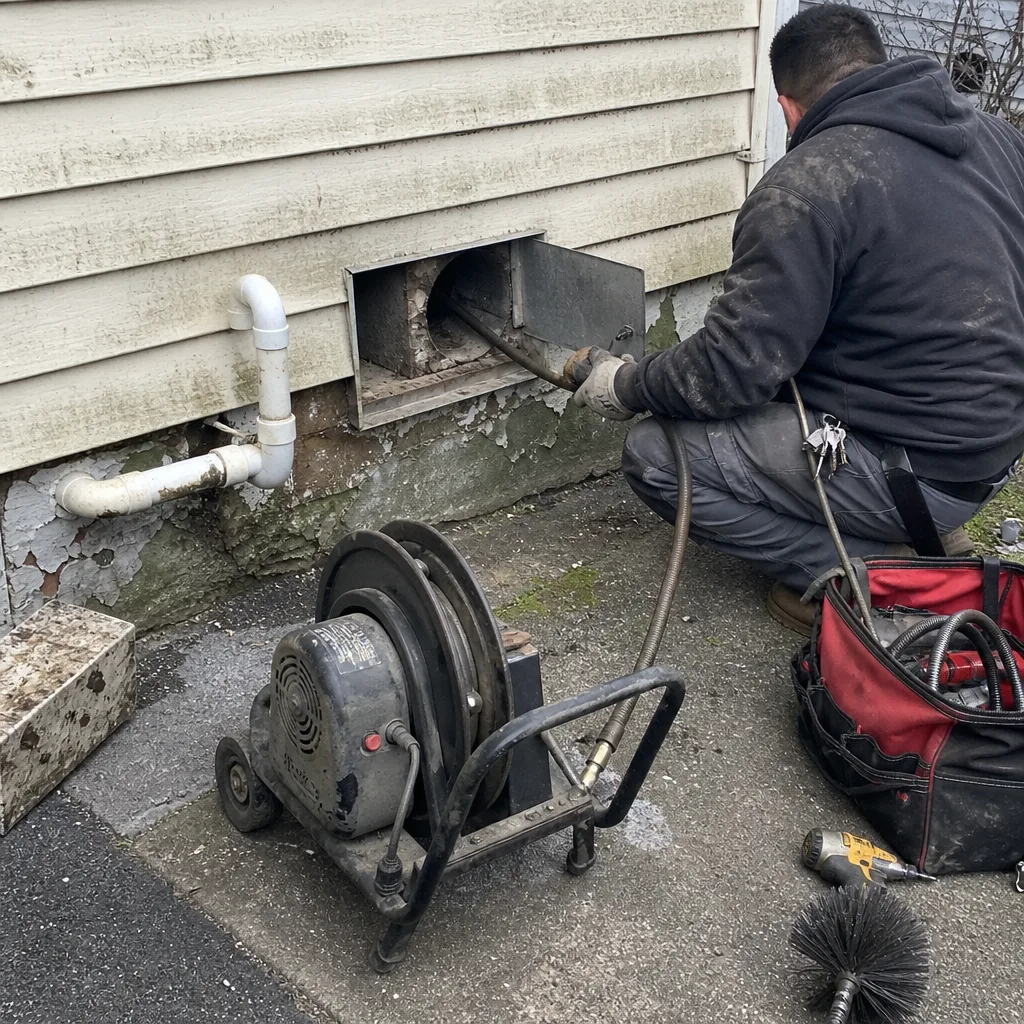 Before
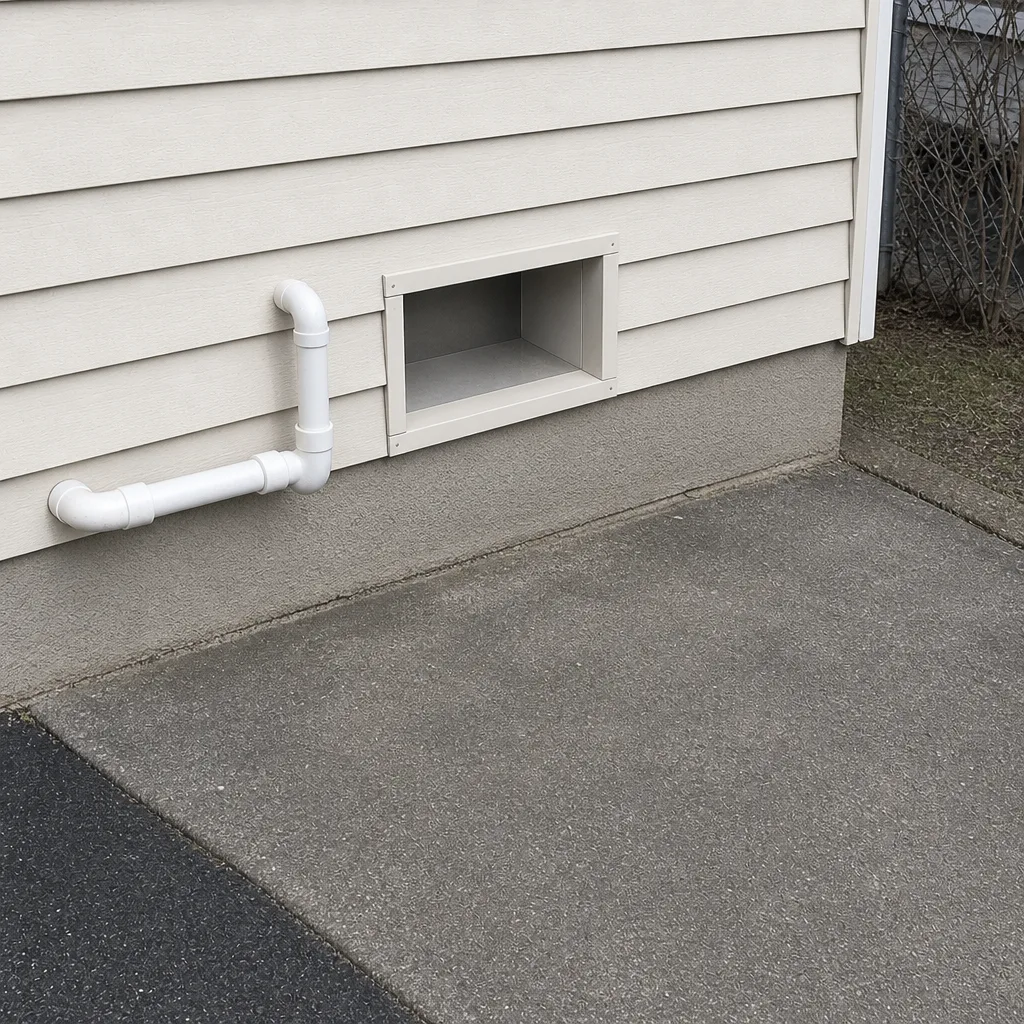 After
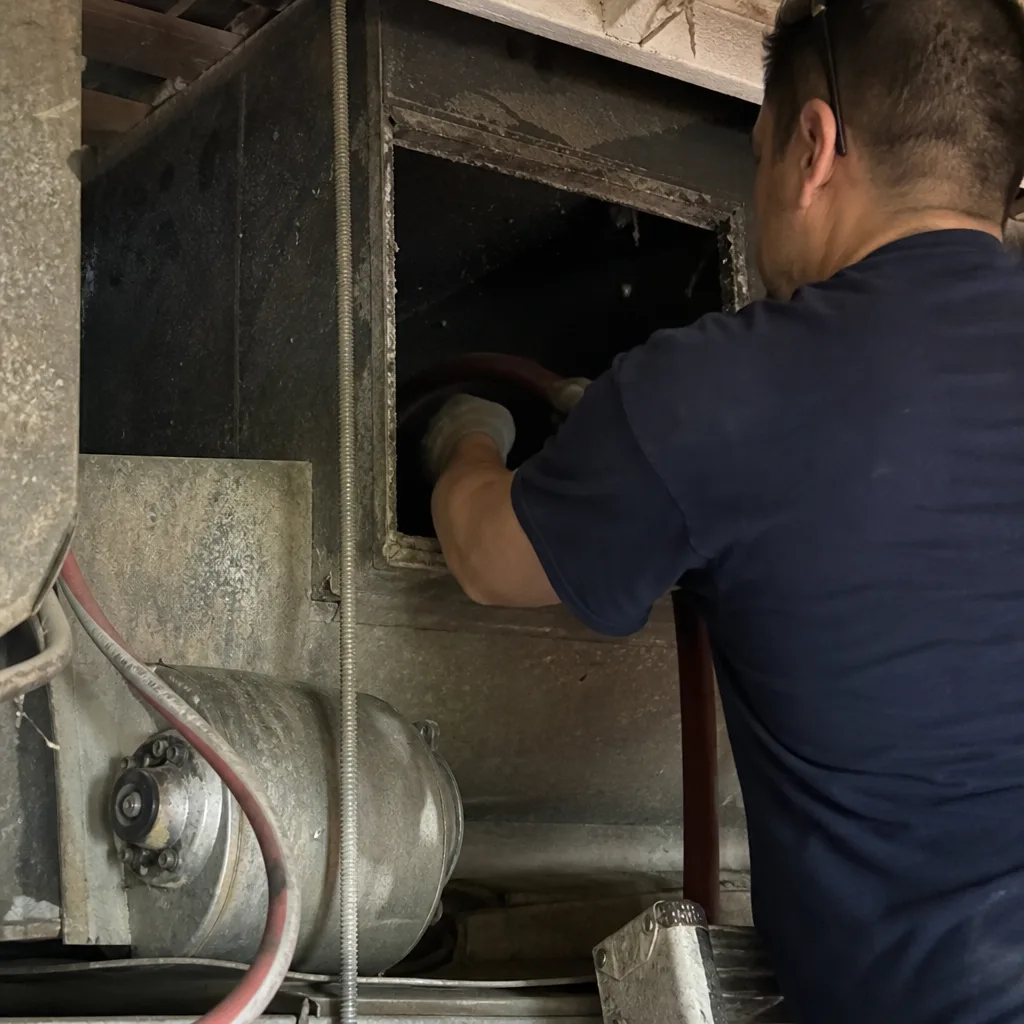 Before
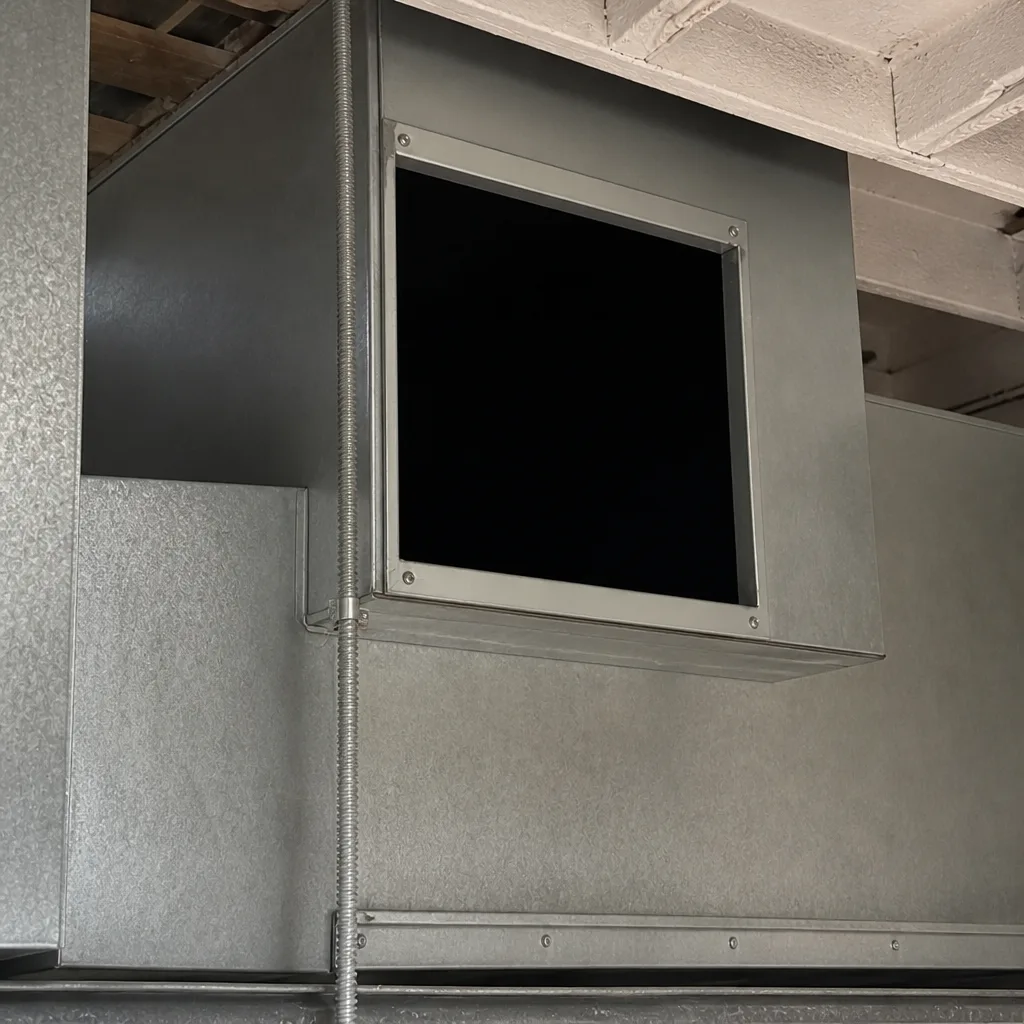 After
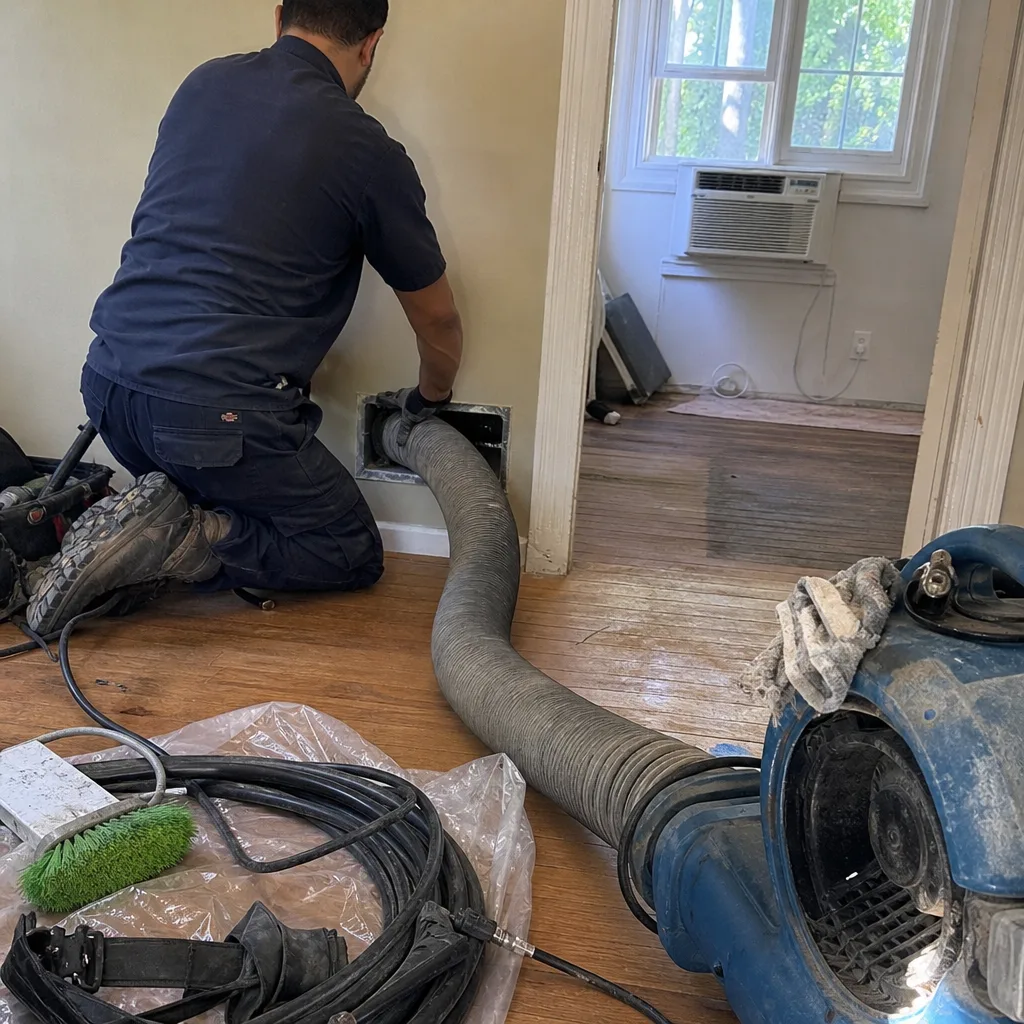 Before
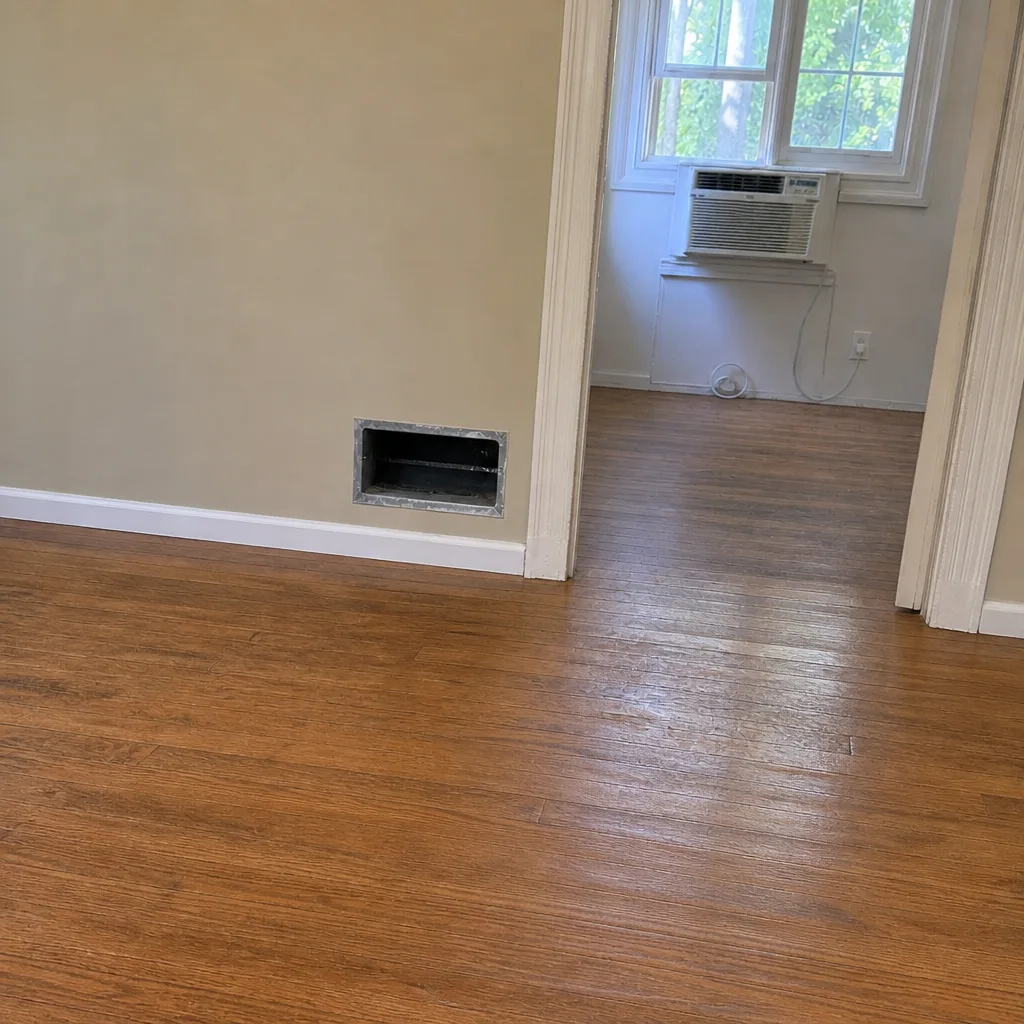 After
When to Call a Professional
There’s a real difference between “my ducts are due” and “my ducts need attention.” If you’re seeing dust blowing from registers soon after a cleaning, smelling something musty when the system runs, getting uneven airflow room to room, or dealing with renovation dust from your unit or a neighboring one, that’s a reason to call for an inspection. If the inspection turns up a disconnected run, failed joint or damaged insulation, that’s a case for professional repair and sealing, not another vacuum pass. Even the cleaning itself, done properly, involves controlled negative pressure and containment tools most people don’t own. In a Washington Heights apartment, with shared systems and building rules, a trained professional is the right call.
Air Duct Cleaning Washington Heights offers free estimates in Washington Heights – call (877) 792-7271. We’re a company that cleans the system, not just the visible parts, using professional-grade equipment at residential pricing.
Frequently Asked Questions
Pricing for a Washington Heights duct cleaning is set per system, not per vent, and a written estimate sets the final price. Because quotes depend on your system’s size, your building and what the inspection finds, the honest number comes from an inspection, not a phone quote. We recommend treating any price that’s advertised before anyone has looked at your ducts with healthy skepticism. Call (877) 792-7271 for a free estimate – estimates are free.
Very low quotes usually cut something out: proper equipment, containment, or the inspection that would have found problems. A $99 teaser can’t cover a professional whole-system job, so the real cost appears as add-ons once the technician is inside. The cheaper quote isn’t cheaper – it’s a different, smaller job than the one you needed. Ask what the quote includes, and check it against the scope-of-work checklist earlier in this guide. Then call (877) 792-7271 for a straight answer on what a real job costs for your system.
You know by comparing a documented before and after, not by trusting the technician’s word. Request before-and-after photos taken through your ducts’ access points, keep the pre-cleaning inspection report, and check that access cuts were resealed cleanly. We photo-document the system on the job for this reason. If a contractor won’t document, that’s information too. Call (877) 792-7271 when you want the work documented.
For most homes, cleaning is condition-based rather than scheduled, so there’s no fixed “every X years” answer that fits every building. Watch for the signals instead: visible dust blowing from registers, musty odor when the system runs, uneven airflow, or a recent renovation nearby. Any of those justifies an inspection, and the inspection tells you whether cleaning is actually needed. Call (877) 792-7271 to book an inspection, not a cleaning you might not need.
No, a membership is a useful signal but not a guarantee. Industry memberships are administrative credentials; they don’t audit equipment or inspect the contractor’s method in the field. Treat a membership as one positive clue and keep asking the equipment and inspection questions from this guide. The answers tell you more than any badge. Call (877) 792-7271 to ask us those questions directly.
Ask four things: what equipment they’ll use by name, whether they’ll provide a written pre-cleaning inspection report with photos, what insurance they carry for multi-unit buildings, and how they’ll document the job before and after. A contractor who answers these specifically and without deflection is one you can screen further – and the air duct cleaning process itself should follow the scope you agree. Call (877) 792-7271 to ask us these questions before you book anything.
The Bottom Line
Air duct cleaning has no dedicated license in most of the country, which means the vetting you do is the quality control. In Washington Heights, that means verifying equipment by name – purpose-built systems like Rotobrush and Nikro, not shop-vacs – requesting a written pre-cleaning inspection report, confirming insurance that covers multi-unit buildings, and writing a scope of work into the contract. Watch for the local red flags: door knocks, teaser specials and per-vent pricing that grows on-site. Ask for before-and-after photos of your own ducts. A contractor who documents their work and welcomes these questions is the one worth hiring. Equipment-backed, documented, written down – that’s the standard to hold this trade to. Call (877) 792-7271 for a free estimate, and we’ll walk you through it the same way. We answer 24/7. Fast dispatch from 7am to 7pm, Sunday through Friday.
Written by the team at Air Duct Cleaning Washington Heights.