
Last updated November 22, 2026
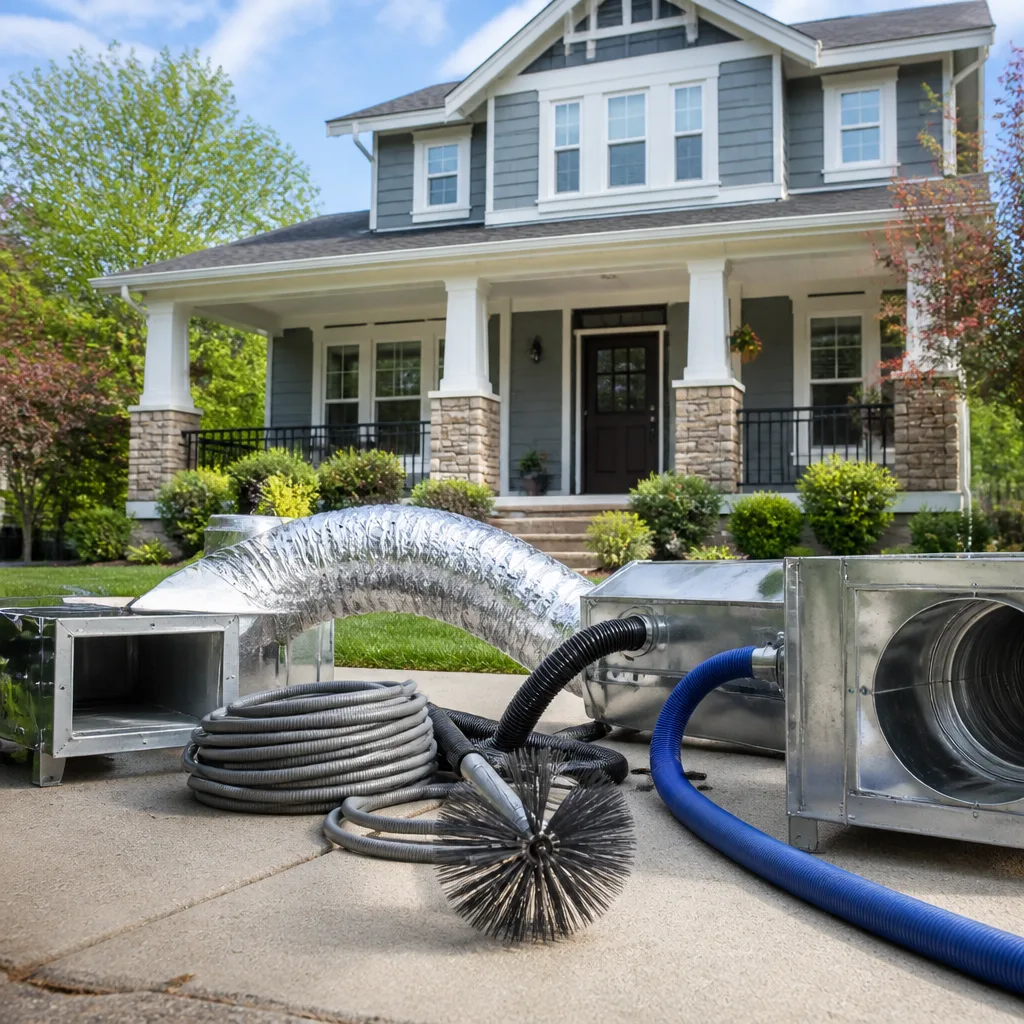 Whole-home duct cleaning
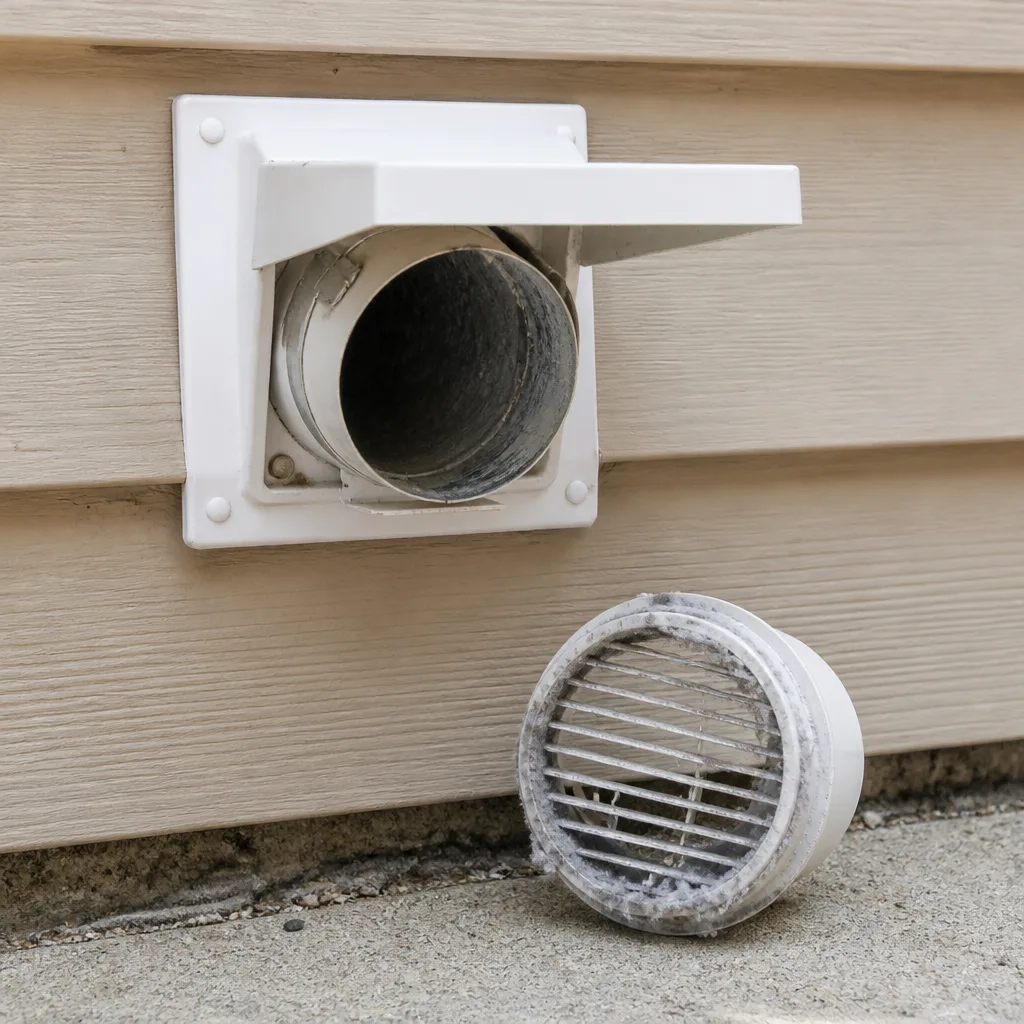 Dryer vent cleaning
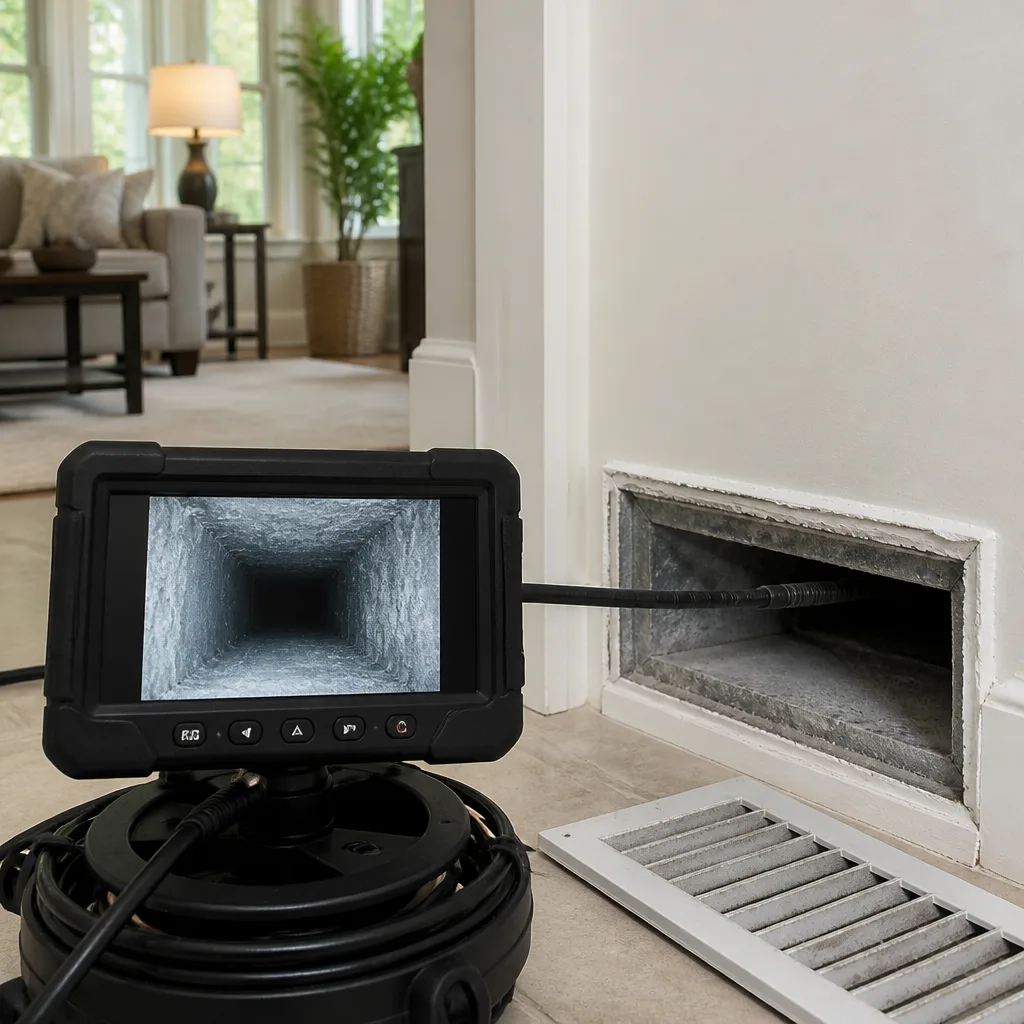 Camera inspection
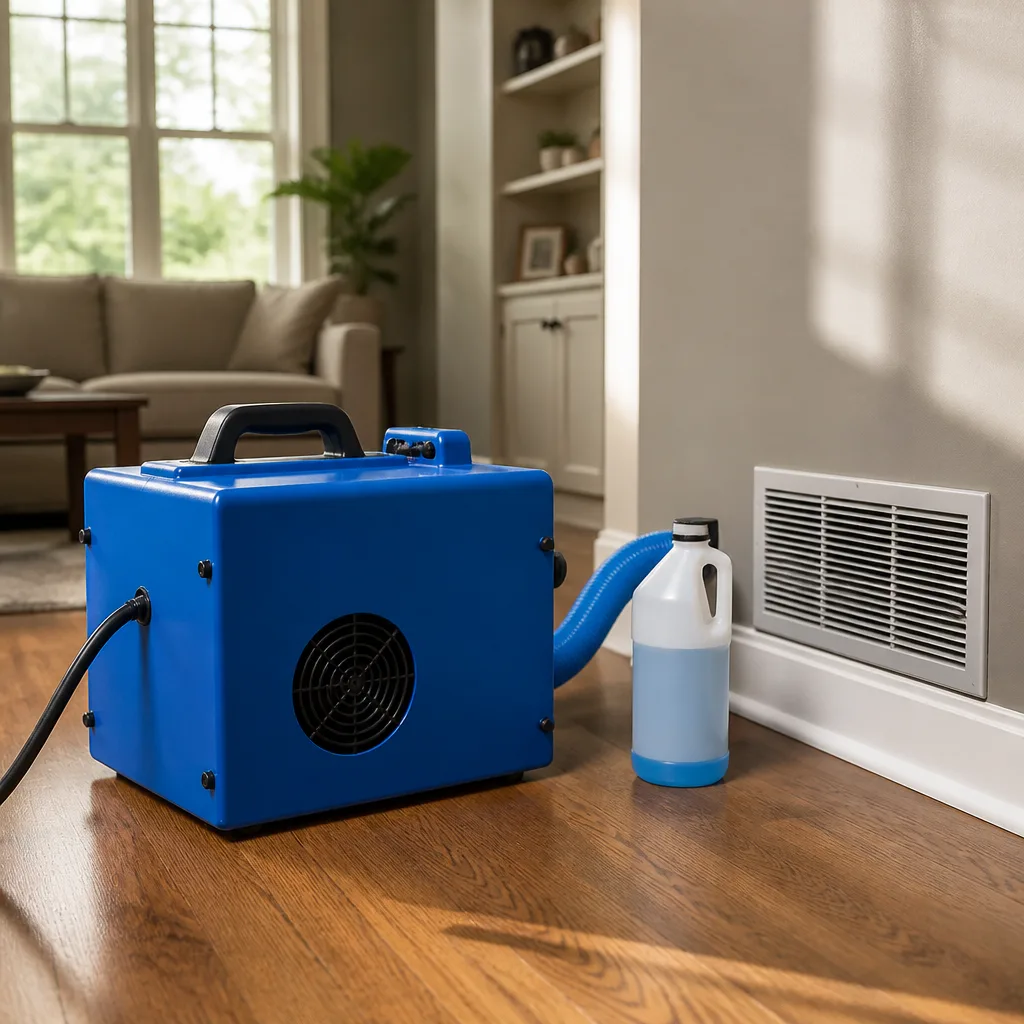 Sanitizing & deodorizing
Whole-system duct and dryer vent check with before-and-after photos - you see exactly what came out of your vents
That "$99 whole-house special" is a bait ad - the real number appears once they are in your hallway, or the "clean" is a shop-vac at the register. We photograph the inside of your ducts before and after instead.
Seasonal Air Duct Cleaning Care for Washington Heights: Year-Round Homeowner’s Guide
Most people in Washington Heights think of duct cleaning as something you do once, when the dust gets bad or an odor shows up. The truth is that duct care here follows a calendar, and it isn’t the neat four-seasons calendar you’ll read about on most home-care sites. Washington Heights runs its heating systems for well over 100 days a year above baseline. Dense prewar buildings hold heat and trap moisture. The Hudson River sits close enough that humidity swings move through entire blocks at once. That combination creates a specific seasonal rhythm for indoor air, and what you do in April affects what you breathe in January. This guide walks you through that rhythm month by month, so you know what to check, when to schedule, and why the timing actually matters.
Quick Answer
Air duct cleaning in Washington Heights works best when it’s timed to the building’s heating and cooling cycle rather than done once a year at random. Spring is for post-heating inspection and repair, summer is for watching humidity and condensation, fall is for cleaning before the system turns back on, and winter is for monitoring air quality while the heat runs. Multi-unit buildings need one coordinated schedule for the whole system, since every tenant shares the same ducts.
Styles & brands we work with
- Whole-home duct cleaning
- Dryer vent cleaning
- Camera inspection
- Sanitizing & deodorizing
Table of Contents
- Why Washington Heights Has Its Own Seasonal Calendar
- Spring: Post-Heating-Season Inspection Priorities
- Summer: Hudson River Humidity and Condensation Risk
- Fall: Why October Beats December for Pre-Winter Cleaning
- Winter: What You Can Monitor Without Professional Access
- Coordinating Seasonal Cleaning in Multi-Unit Buildings
- The Four-Season Homeowner Checklist
- Common Mistakes to Avoid
Why Washington Heights Has Its Own Seasonal Calendar
Washington Heights isn’t a typical mid-Atlantic neighborhood when it comes to indoor air. Its position on the ridge above the Hudson, combined with very dense building mass, means the heating season starts earlier and lingers longer than it does in flatter, less insulated parts of the region. Buildings hold warmth in October and hold cold in April. Steam and hot-water systems in older co-ops and apartment houses often run longer than the calendar strictly requires, because tenants rely on them and because the buildings themselves are slow to change temperature.
That longer heating season means more recirculated air passes through the same ductwork every year. And because the housing stock here includes a mix of prewar buildings, mid-century conversions, and more recent construction, the condition of that ductwork varies enormously from block to block. A sealed duct system in a newer building behaves differently from forty-year-old galvanized duct with loose joints tucked above a hallway ceiling.
Here’s what that means in practice. There is no single “right” month to schedule cleaning across the whole neighborhood. There is, instead, a sequence of seasonal priorities that most homeowners never hear laid out. In our experience, the buildings that stay ahead of dust and odor problems are the ones whose owners understand the sequence and schedule around it, rather than reacting to a smell once it’s already spread through three floors.
Spring: Post-Heating-Season Inspection Priorities
Spring, specifically the weeks after the boiler finally shuts down for the season, is the single most useful time to inspect a duct system in Washington Heights. The heating season pushes a full winter’s worth of dust, soot traces, and settled particulates through the ducts. Once the system stops running, that material stops moving and becomes visible, either as a film around supply registers or as a light buildup inside the ducts themselves.
Older Washington Heights buildings often still show signs of oil-to-gas heating conversions done decades ago, and those conversion systems leave their own fingerprint. A furnace that was originally oil-fired may have a flue arrangement or return-air configuration that was modified during the switch, and those modifications can leave seams or junctions that weren’t sealed to modern standards. Spring inspection is the time to catch loose joints, dislodged insulation, and disconnected sections before they matter.
A solid spring inspection covers:
- Supply and return registers for dust film, soot traces, or discoloration
- Visible duct sections near the furnace or air handler for loose joints and tape failure
- Return-air plenums, especially in converted heating systems where seals may be older
- Filter condition and housing fit, since a poorly seated filter lets debris straight into the ducts
- Any musty or metallic odor that appears only when the fan runs
If anything turns up loose or disconnected in that inspection, it’s worth addressing promptly. Our duct repair & sealing work exists for exactly this situation: resealing joints so what you clean stays clean and conditioned air stops leaking into the walls. Cleaning a duct system with open joints just gives dust a fresh path back in.
Summer: Hudson River Humidity and Condensation Risk
Summer in Washington Heights brings a specific problem that inland neighborhoods don’t face in quite the same way. Humidity off the Hudson rises through the warm months, and when that moist air meets cold surfaces inside an air-conditioned duct system, condensation forms. It might be a thin film on the inside of a metal duct, or a damp spot where an uninsulated section passes through a hot hallway ceiling. Either way, moisture inside a duct is a setup for mold growth and musty odor.
The warning signs are subtle at first. You’ll notice a damp, earthy smell the moment the AC kicks on, or a mustiness that lingers in one room and not another. Sometimes you’ll see water staining on the ceiling near a duct run. If the smell fades after the first few minutes of cooling, that’s often a sign the moisture is sitting in the duct from the last cycle.
What to look for during the humid months:
- A musty smell that appears only when the AC runs and fades shortly after
- Water staining or paint bubbling near ceiling duct runs
- Visible condensation on accessible duct sections, especially in less-insulated hallway spaces
- Damp spots where ducts pass through uninsulated exterior or hallway walls
- A persistent humidity smell in one specific room, which usually points to one affected duct run rather than the whole system
Condensation problems aren’t solved by wiping a duct dry. They’re solved by finding why moisture is reaching a cold surface and correcting it, which can mean insulation, sealing, or a proper cleaning of the affected run. If the smell keeps coming back after the AC has run for a while, that’s a sign to have the system looked at rather than sprayed with a consumer deodorizer.
Fall: Why October Beats December for Pre-Winter Cleaning
The most common timing mistake we see in Washington Heights is waiting until the first cold snap to think about duct cleaning. By December, the heating system is already running, and any dust or debris sitting in the ducts has been circulating through your home for weeks. Cleaning in October, before the system turns back on, means the air you breathe through the heating season starts from a clean baseline instead of a dirty one.
There’s a practical side to this too. October scheduling is usually easier than December scheduling, because the pre-winter rush hasn’t started yet. If the job uncovers a repair issue, there’s still time to fix it before the system is running constantly and the property is harder to work around. Falling behind on sealing means conditioned air leaks into walls for the entire winter, and dust re-enters the ducts the moment the fan comes on.
Working through a pre-winter clean properly looks like this:
- Confirm the heating system is still off or has not yet been started for the season.
- Inspect and photograph the duct system, including returns and any converted furnace connections.
- Clean the full system using professional-grade equipment rather than a shop-vac setup.
- Sanitize where odor or organic growth is suspected, then reseal any joints that were disturbed.
- Replace or refit filters, and verify the air handler housing seals properly.
This is where the equipment itself matters. We use Rotobrush and Nikro systems built for duct interiors, plus Abatement Technologies filtration to control what’s pulled out during the job. That’s a different category of work from a surface vacuum, and it’s the difference between a clean system and a freshly disturbed one. If you want to see the full process, our air duct cleaning page lays it out step by step.
Winter: What You Can Monitor Without Professional Access
Once the heating season is underway in Washington Heights, professional access to the ducts is limited by the simple fact that the system is running constantly. That doesn’t mean you can’t gather useful information. Winter is actually the best time to observe how your system behaves under load, and those observations tell a technician a lot when spring comes.
Without opening anything or touching the ductwork, you can track:
- Dust accumulation on horizontal surfaces in different rooms, and whether it’s even or concentrated in one area
- Which rooms feel stuffy or get dusty fastest, which often points to a specific duct run
- Static or dry-air complaints that show up only during heating months
- Any metallic or sooty smell that appears when the heat first comes on
- Filter condition, checked by the homeowner, on a regular interval
Keep a simple log. Note the date, the room, and what you observed. When you do schedule a cleaning or inspection, that log gives the technician a starting map instead of a blank slate, and it often saves time in tracking down a problem run. Keep it to observation only; opening duct panels or reaching into the system yourself risks disturbing seals and, in systems with gas-fired equipment, isn’t something to handle without a trained professional.
Coordinating Seasonal Cleaning in Multi-Unit Buildings
Washington Heights has a large share of multi-unit buildings, and this changes the seasonal logic entirely. In a single-family home, a duct problem affects one household. In a multi-unit building with a shared central system, the ducts are a common asset: one tenant’s dust, one unit’s moisture problem, and one building’s air all move through the same runs. Cleaning one apartment’s registers without addressing the shared trunk lines accomplishes very little.
Here’s how we approach seasonal coordination in a multi-unit building:
- Agree on a single seasonal window for the whole system, ideally October before heating season begins.
- Walk the shared trunk lines and risers first, since those affect every unit.
- Map any unit-specific problems (a musty bedroom, a dusty kitchen) so they’re addressed in the same visit.
- Inspect and seal shared joints, since a leak in a riser serves dust to multiple floors at once.
- Provide a clear report the building owner or manager can share with all tenants.
The practical benefit is straightforward. One coordinated cleaning per year keeps the whole system on schedule and avoids the patchwork of tenants cleaning their own units independently, which rarely addresses the shared runs that matter most. For property managers, the seasonal approach also makes budgeting predictable: one scheduled job in fall, rather than scattered emergency calls once the heat is on and odors have spread.
The Four-Season Homeowner Checklist
If you want one page you can keep, use this. It’s the same seasonal sequence, condensed into a checklist you can revisit each year.
Spring (after the heat shuts off):
- Inspect registers for dust film and soot traces
- Check visible duct joints and tape near the furnace
- Note any musty smell that appears only when the fan runs
- Check filter condition and fit
Summer (humid months):
- Track musty smells that appear when the AC starts and fade after
- Watch ceiling areas near duct runs for staining
- Look for condensation on accessible duct sections
Fall (before heating season):
- Schedule a full-system cleaning before the heat comes on
- Repair and reseal any joints found loose in spring
- Sanitize if odor or moisture damage was present over summer
- Replace filters and confirm the air handler is sealed
Winter (heating season):
- Log dust patterns and stuffy rooms monthly
- Watch for smells that appear when heat comes on
- Check filters and note when they were last replaced
- Plan spring inspection based on what the winter log showed
The broader system behind all of this, from cleaning to sealing to filtration, is covered on our HVAC cleaning page if you want to see how the pieces fit together.
Common Mistakes to Avoid
- Cleaning the ducts without repairing the leaks. A system with open joints re-contaminates itself in weeks. Cleaning without sealing is a temporary fix that costs you the same amount again next season.
- Waiting until the system is already running. In Washington Heights, that means December rather than October. By the time the heat is on, the dust you meant to remove has already made a full lap through the building.
- Assuming one unit’s problem is only one unit’s problem. In multi-unit buildings, musty air in one apartment often points to a shared riser or trunk line. Addressing one register and not the shared run solves nothing.
- Ignoring summer humidity signs. A smell that fades after a few minutes of AC is easy to dismiss. It’s also the earliest sign of condensation in the ducts, and it’s cheaper to address in August than after a season of organic growth.
- Treating dryer vents as an afterthought. Dryer vent cleaning is a separate safety concern, not part of routine duct cleaning, and the fire risk it carries is real. If you’ve never had it done, the seasonal check-in is a good time to schedule it.
- Hiring on price alone. Equipment matters. A crew working with a shop-vac and a promise isn’t the same as purpose-built Rotobrush and Nikro equipment with real filtration. Ask what’s being used before you book, and ask whether sealing is included.
- Relying on consumer deodorizers to mask odor. A spray can doesn’t remove the source. If an odor keeps returning season after season, the cause is in the system, not in the air.
See the difference
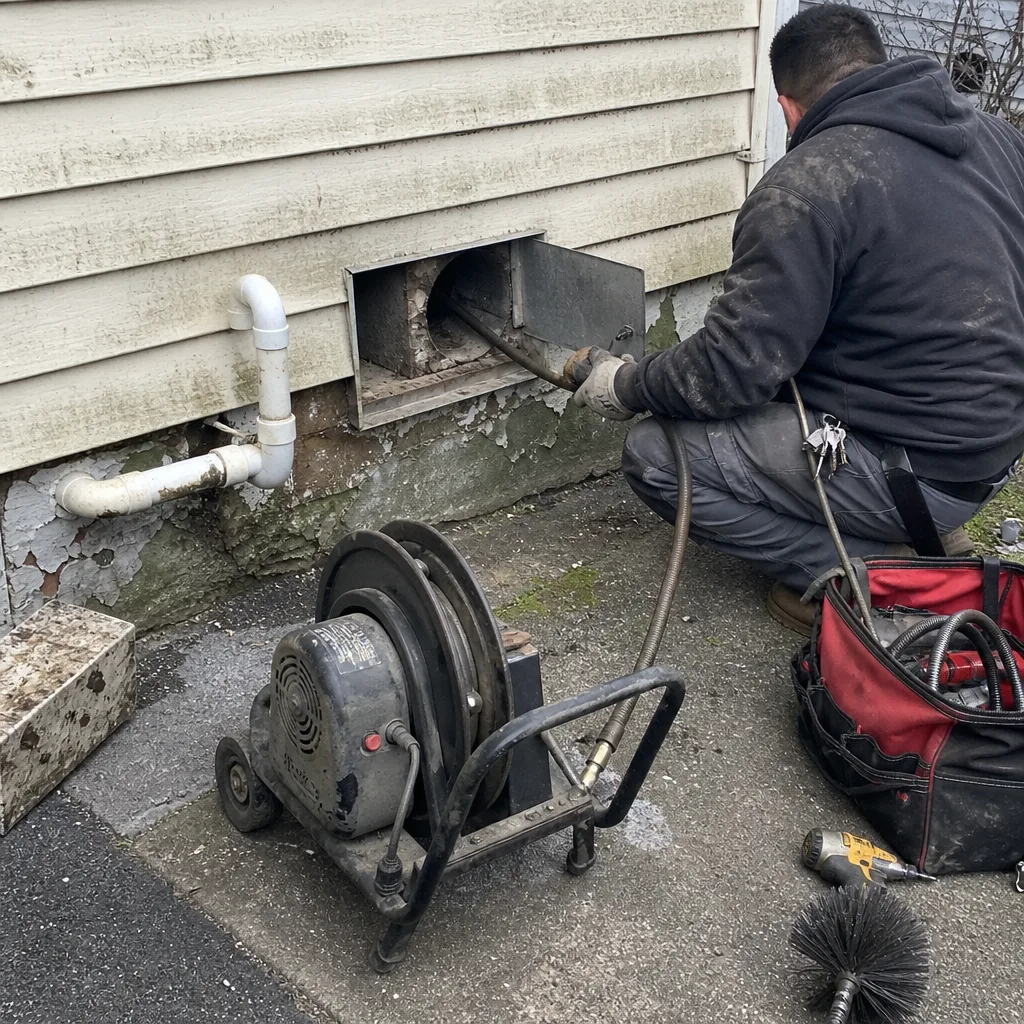 Before
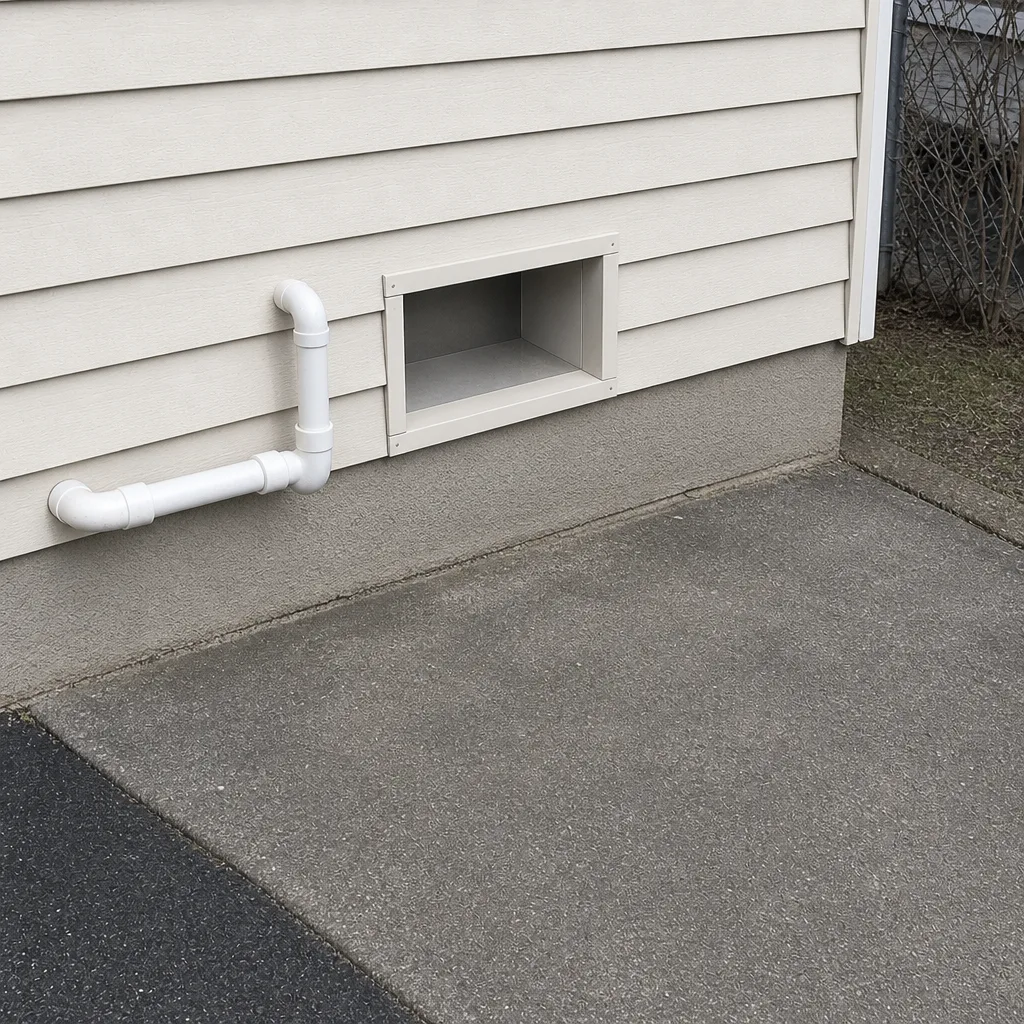 After
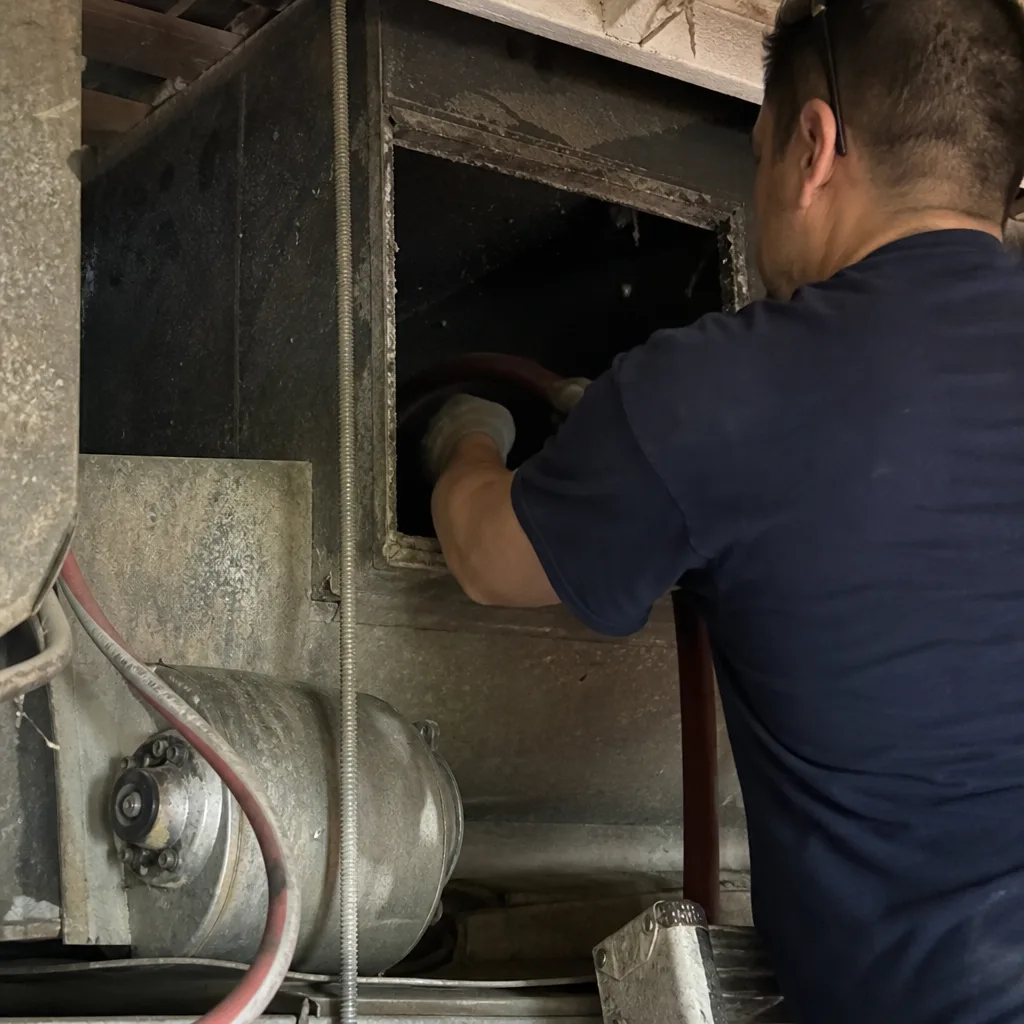 Before
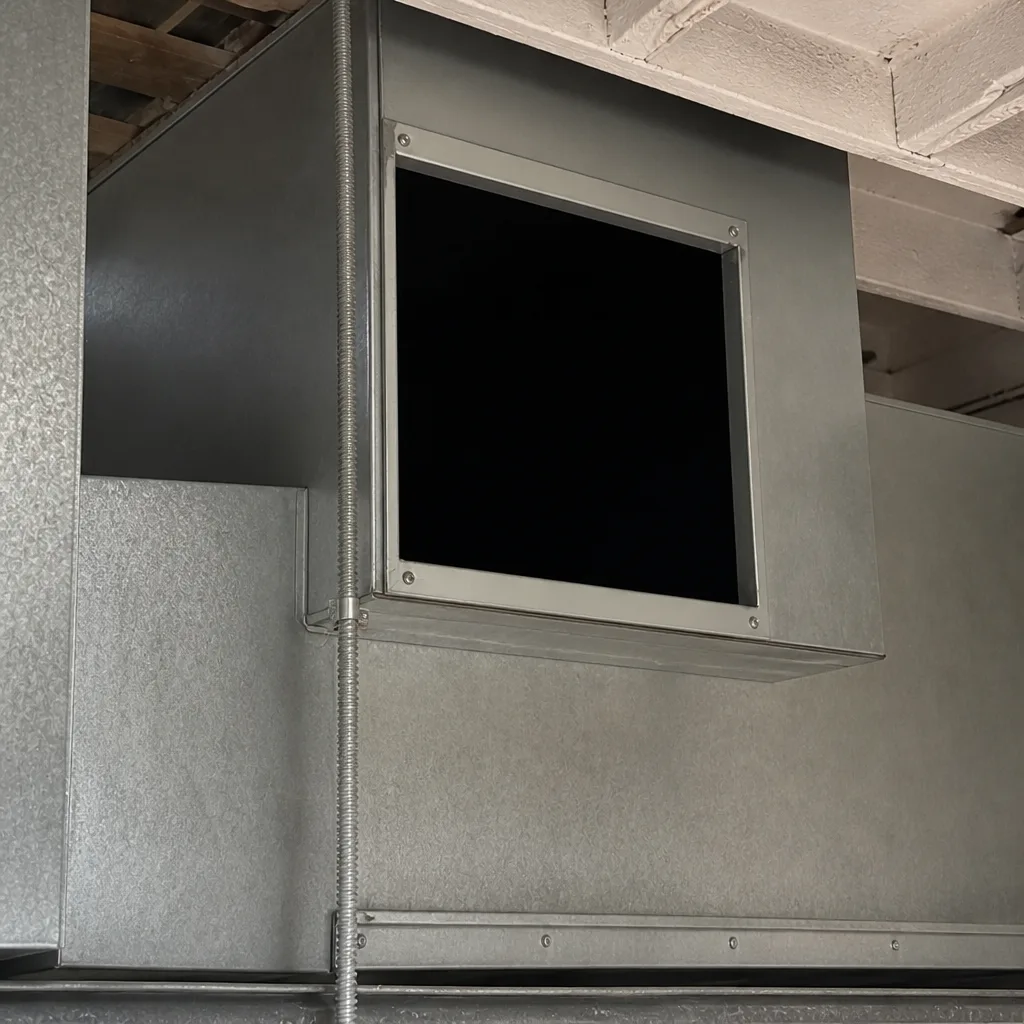 After
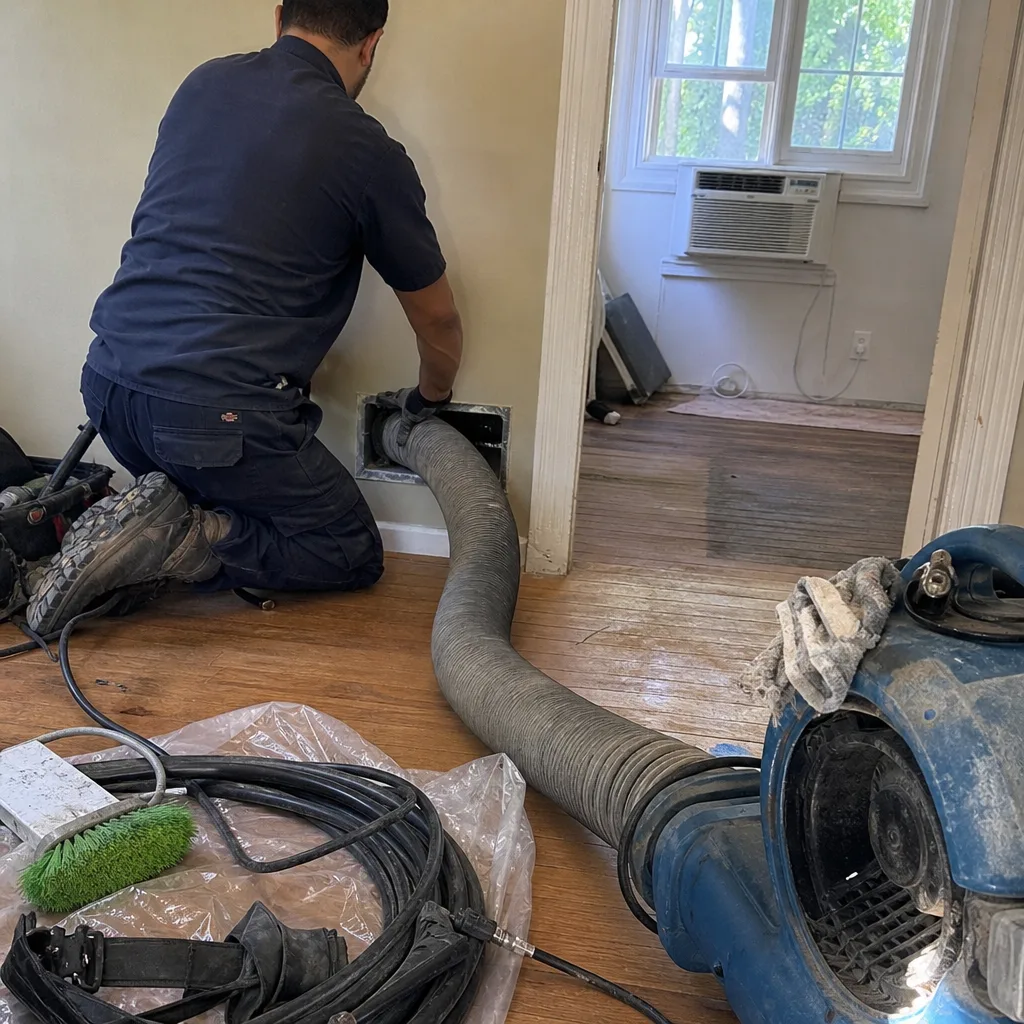 Before
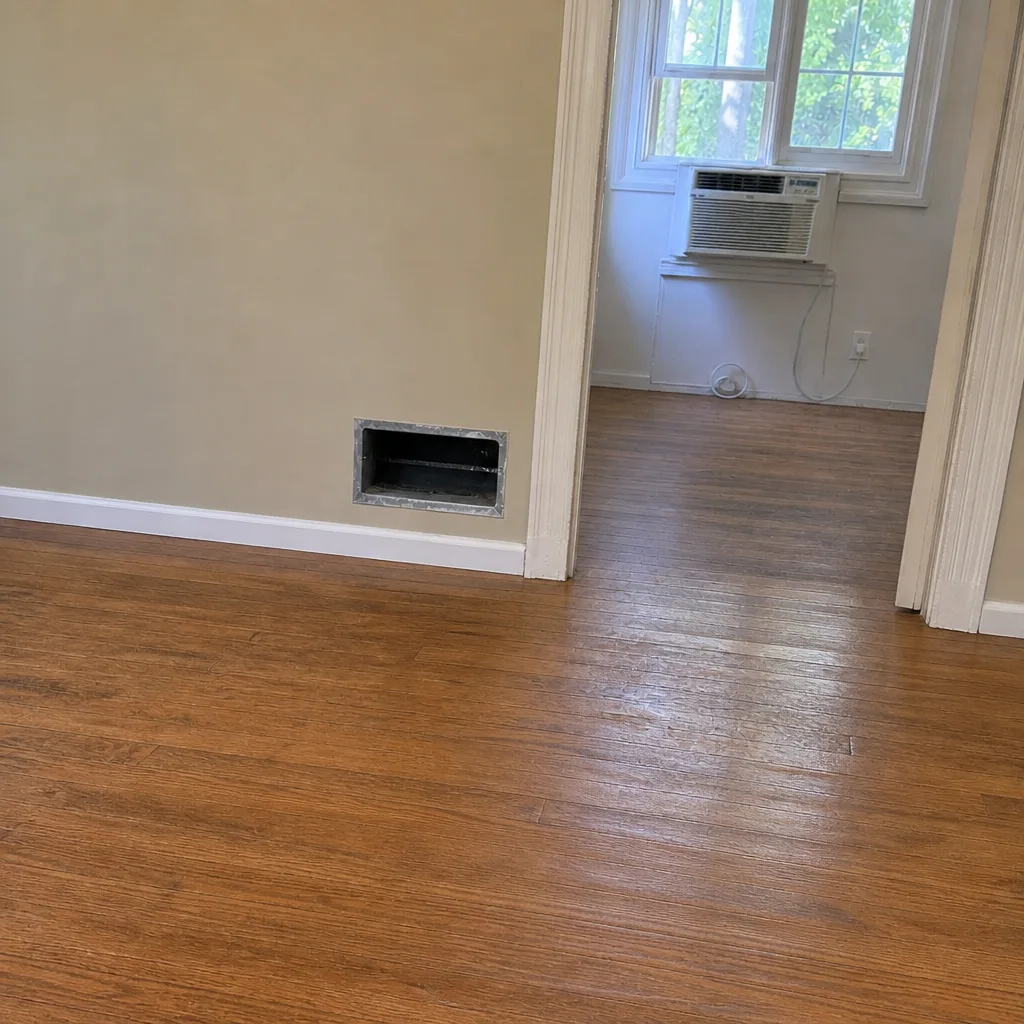 After
When to Call a Professional
Most seasonal monitoring you can do yourself. Certain situations call for a technician without waiting for the calendar. Call when an odor returns every time the system runs, when you find a disconnected or visibly damaged duct section, when water staining appears near a duct run, or when a converted heating system shows loose joints you can’t verify are sealed. Call if an entire multi-unit building has a shared smell that no single tenant can trace. And call if it’s been more than a year since the system had a proper look, even if nothing seems wrong. Air Duct Cleaning Washington Heights offers free estimates in Washington Heights, and our technicians have up to 13 years of experience. Dial (877) 792-7271 to schedule. We answer 24/7, with fast dispatch from 7am to 7pm, Sunday through Friday.
Frequently Asked Questions
October is the strongest single month, because cleaning before the heating system turns on means a full season of clean air rather than a season of recirculated dust. Spring, right after the heat shuts off, is the second-best window, especially if a full winter uncovered a problem. Cleaning in December, after the system is already running, is the timing most homeowners regret.
No. You need a cleaning once, timed properly, plus seasonal monitoring on your own. The four-season framework is about knowing what to look for through the year so you can catch a problem before it spreads. In a multi-unit building, one coordinated cleaning per year is usually the right rhythm, scheduled in fall.
Humidity in the summer creates condensation on cold duct surfaces, particularly where ducts pass through warm or uninsulated spaces. That moisture can lead to mold growth and musty odors that only appear when the AC runs. If a smell shows up at startup and fades after a few minutes, that’s the typical pattern. Call (877) 792-7271 for an exact assessment; estimates are free.
In a building with a shared central system, the shared trunk lines and risers are a building-level concern, not a tenant-by-tenant one. That usually means the building owner or property manager coordinates cleaning across the whole system rather than leaving each unit to fend for itself. The most practical arrangement is one scheduled cleaning each fall, with any unit-specific issues addressed in the same visit.
Dust accumulation on horizontal surfaces, rooms that get stuffy or dusty faster than others, and any smell that appears when the heat first comes on. Log the date and the room. Filters can be checked by the homeowner too. That log gives a technician a head start in spring and often points straight to the affected run.
The price is set per job by a written estimate, and the estimate is free. What changes the price is the size of the system, the number of runs, how much sealing is needed, and whether the building is a single home or a multi-unit system shared across tenants. Call (877) 792-7271 for an exact quote; estimates are free.
The Bottom Line
Washington Heights runs a longer heating season than most of the region, and its dense housing and Hudson humidity add seasonal pressure that a generic four-seasons guide misses. The working sequence is simple: inspect and repair in spring, watch humidity and condensation through summer, clean before the heat comes on in October, and monitor on your own through winter. In multi-unit buildings, coordinate the whole system rather than individual units. Understand that sequence and you’ll stay ahead of dust, odor, and moisture instead of reacting to them. If you’d rather have the system checked now than wait for the next season to turn, call us and we’ll take a look.
Call (877) 792-7271 for a free estimate. We answer 24/7. Fast dispatch from 7am to 7pm, Sunday through Friday. You can also start with our Air Duct Cleaning Washington Heights page to see the full range of what we handle.
Written by the team at Air Duct Cleaning Washington Heights.