
Last updated November 22, 2026
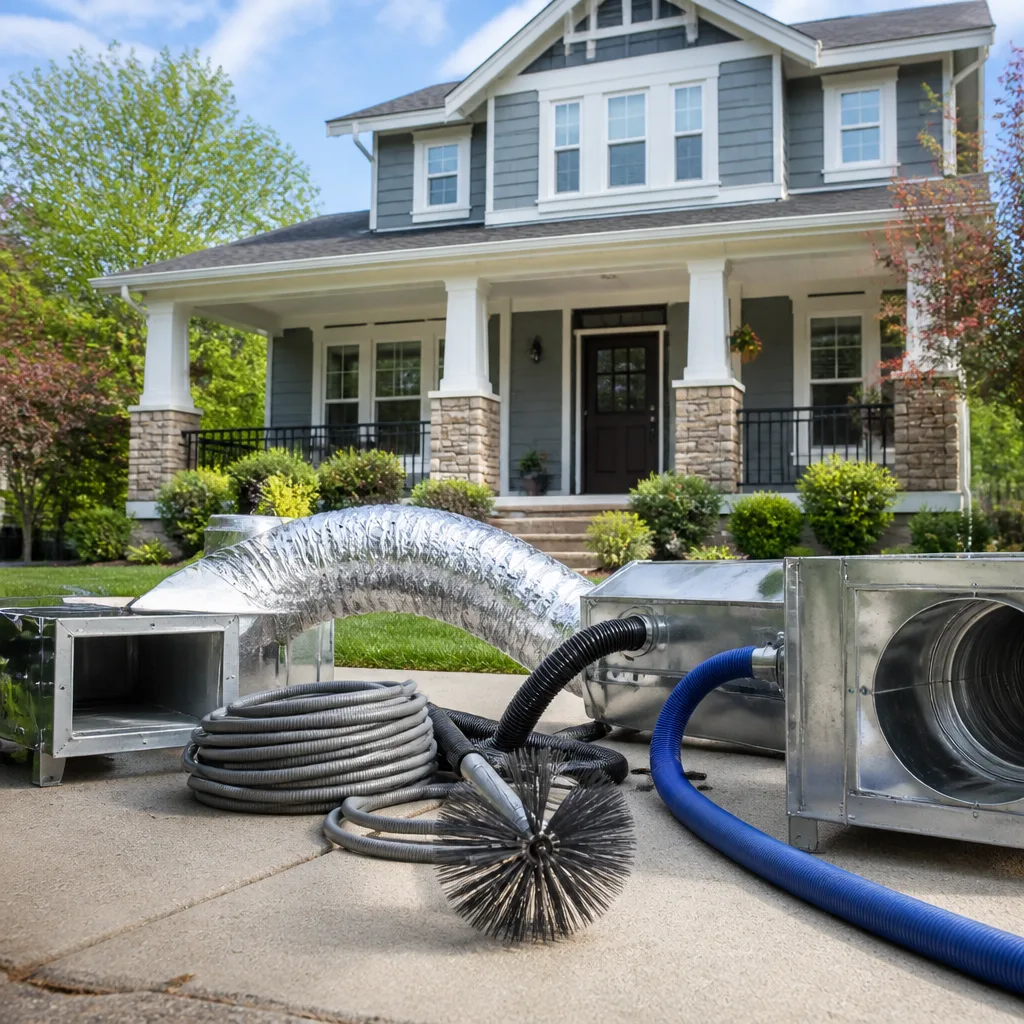 Whole-home duct cleaning
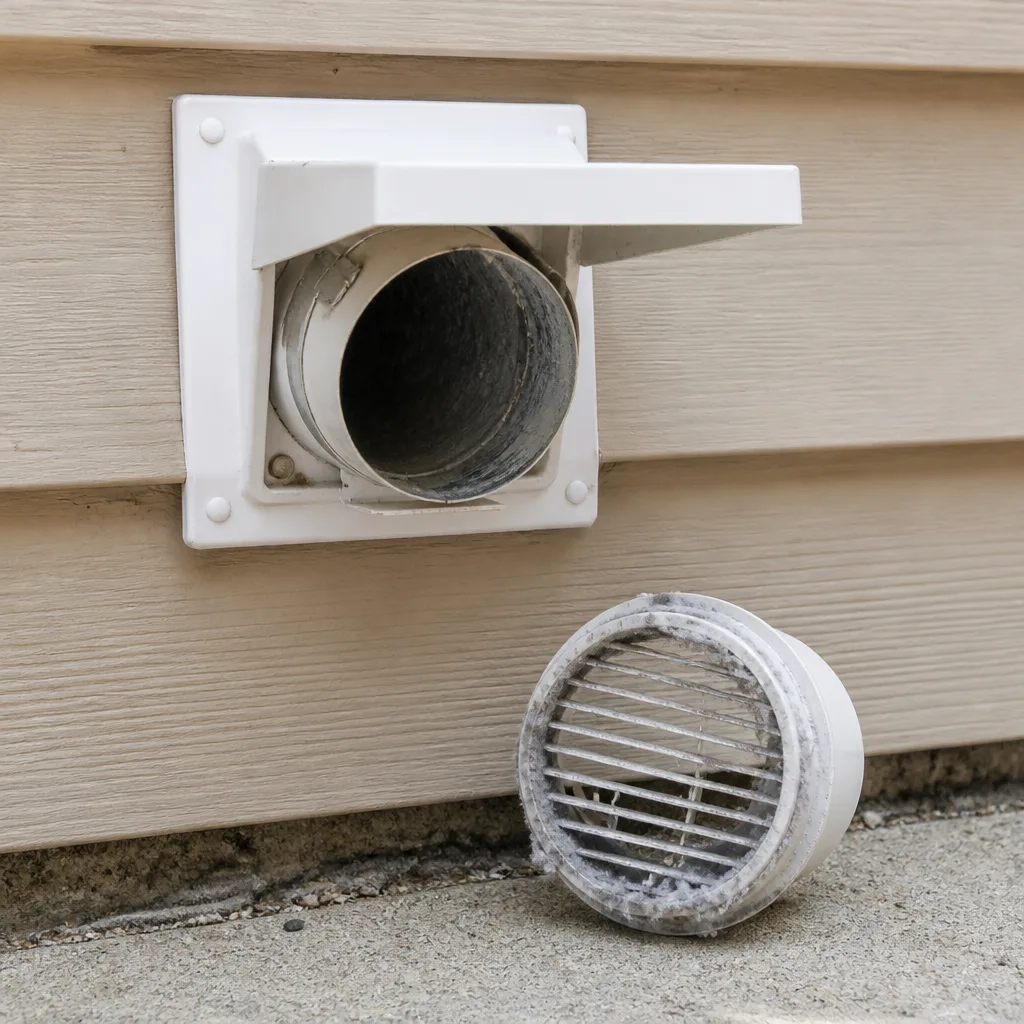 Dryer vent cleaning
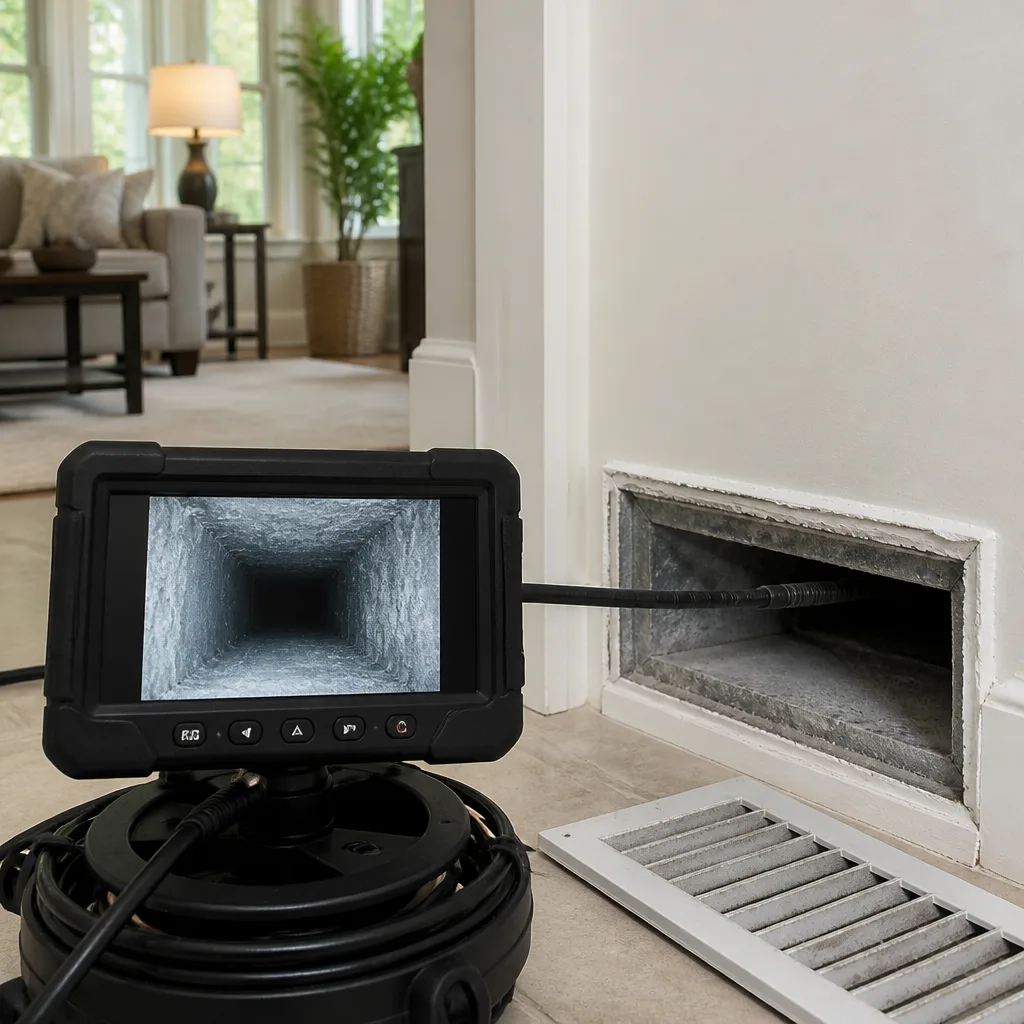 Camera inspection
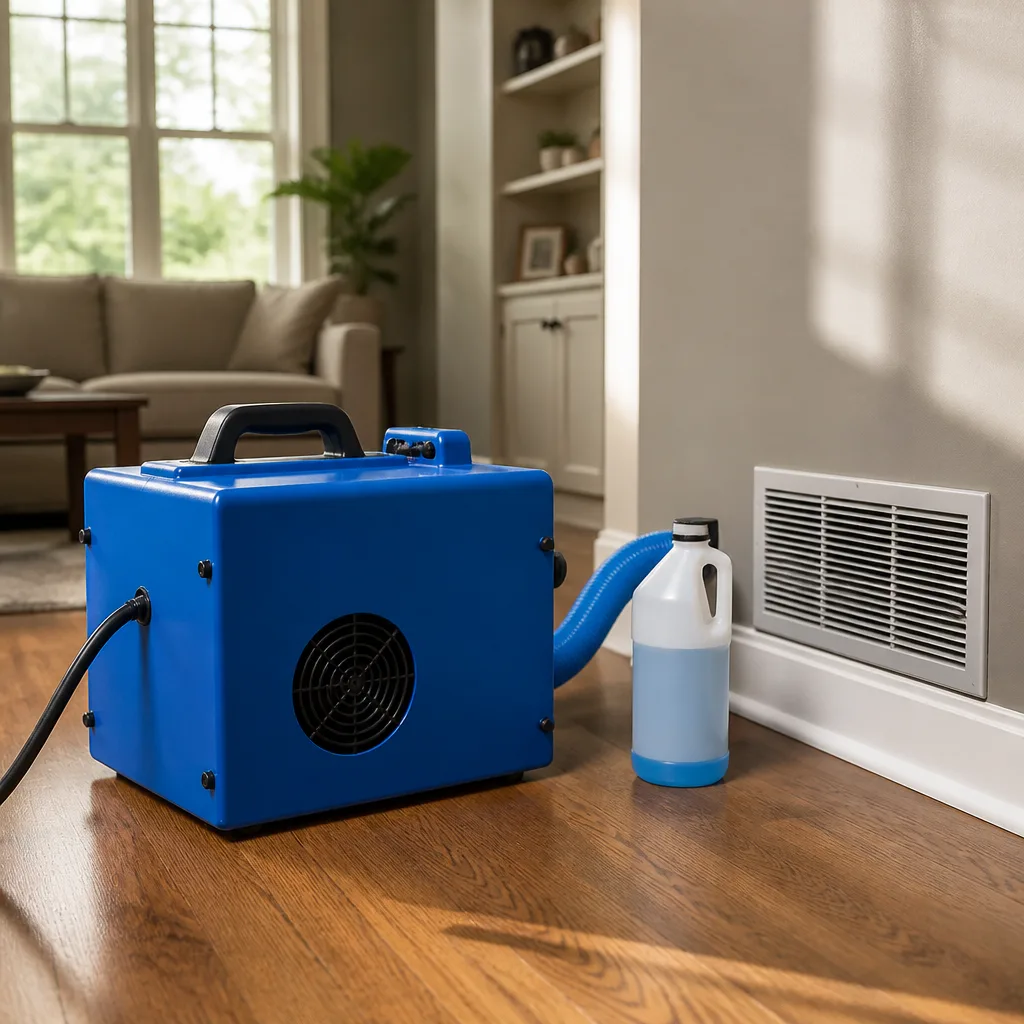 Sanitizing & deodorizing
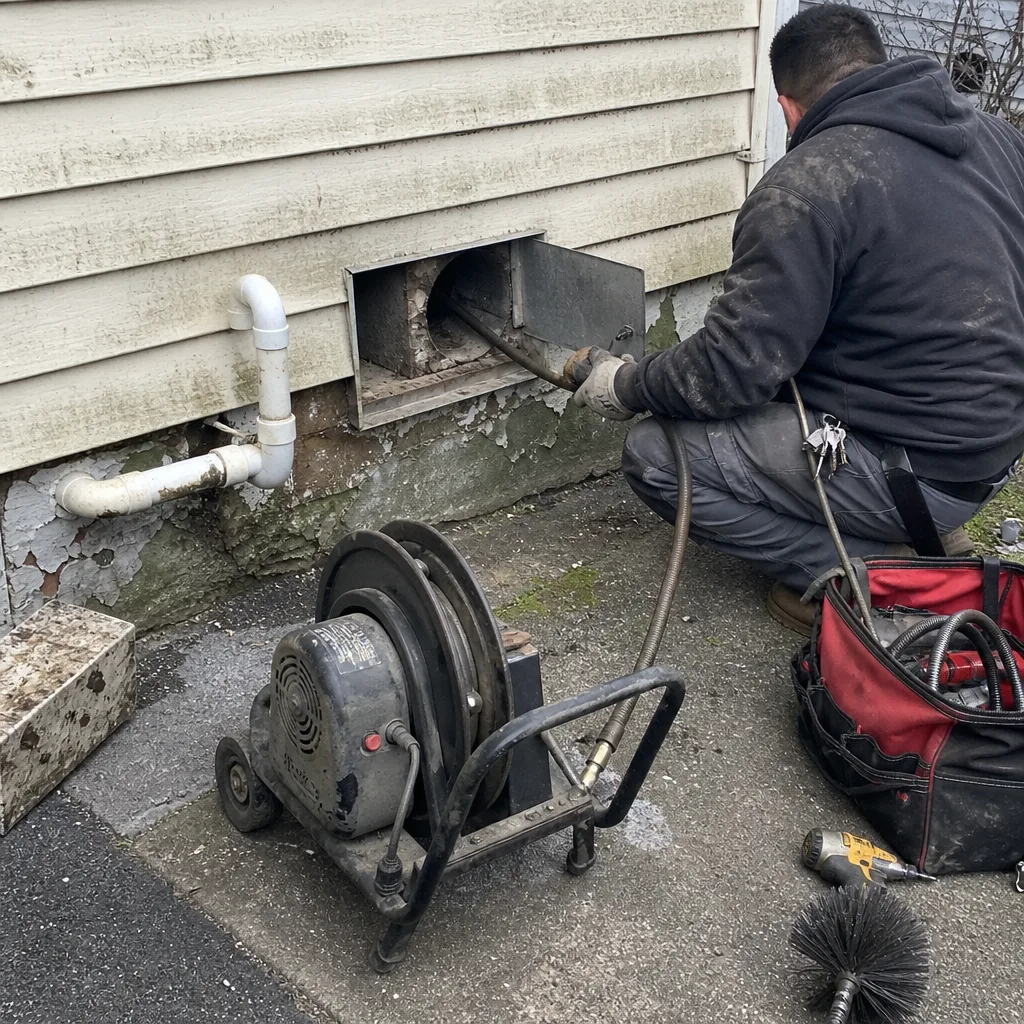
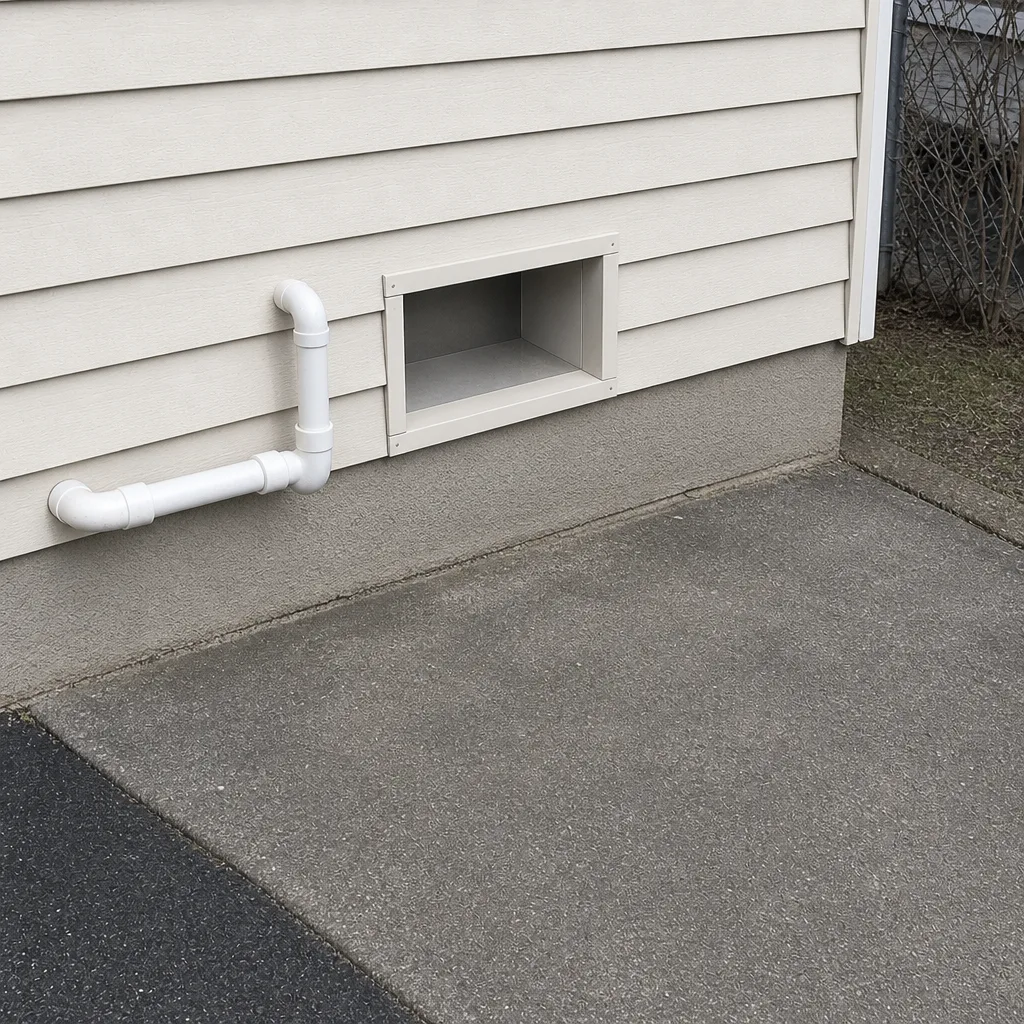
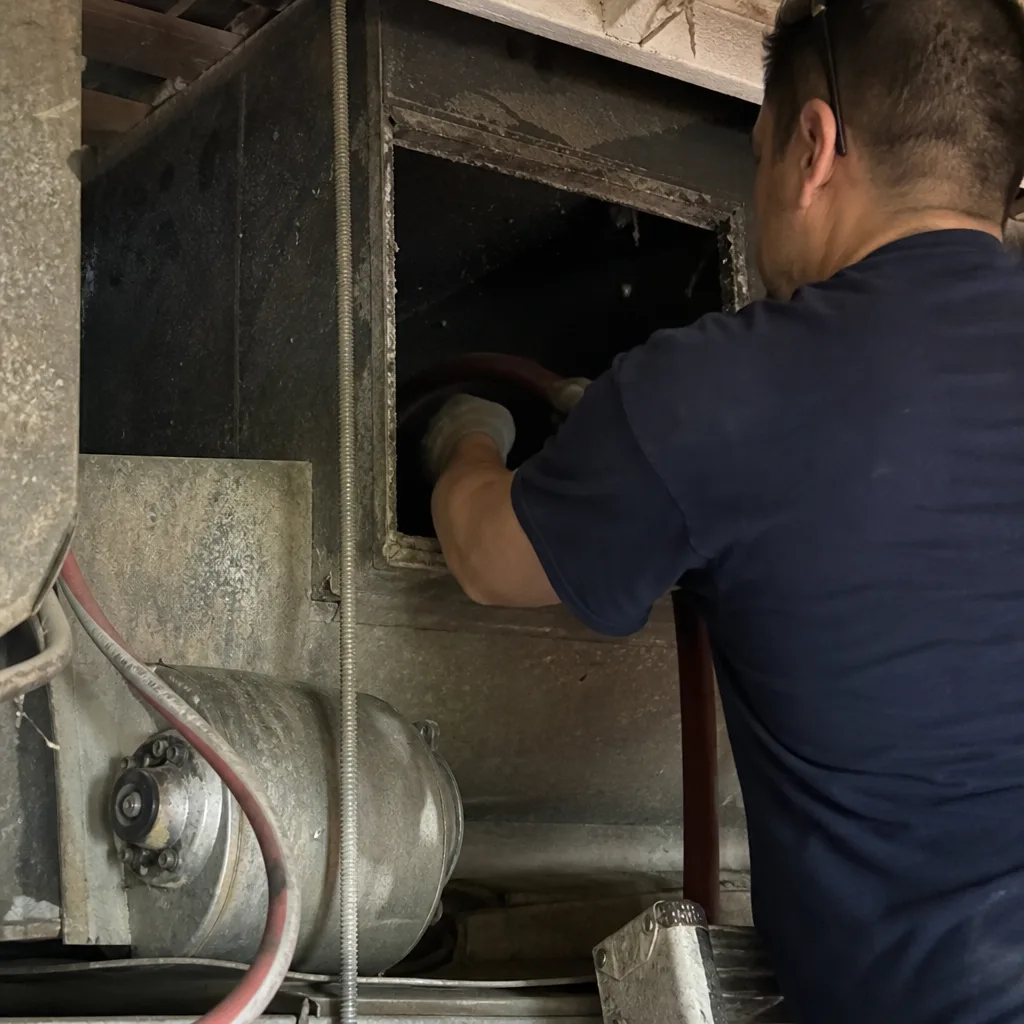
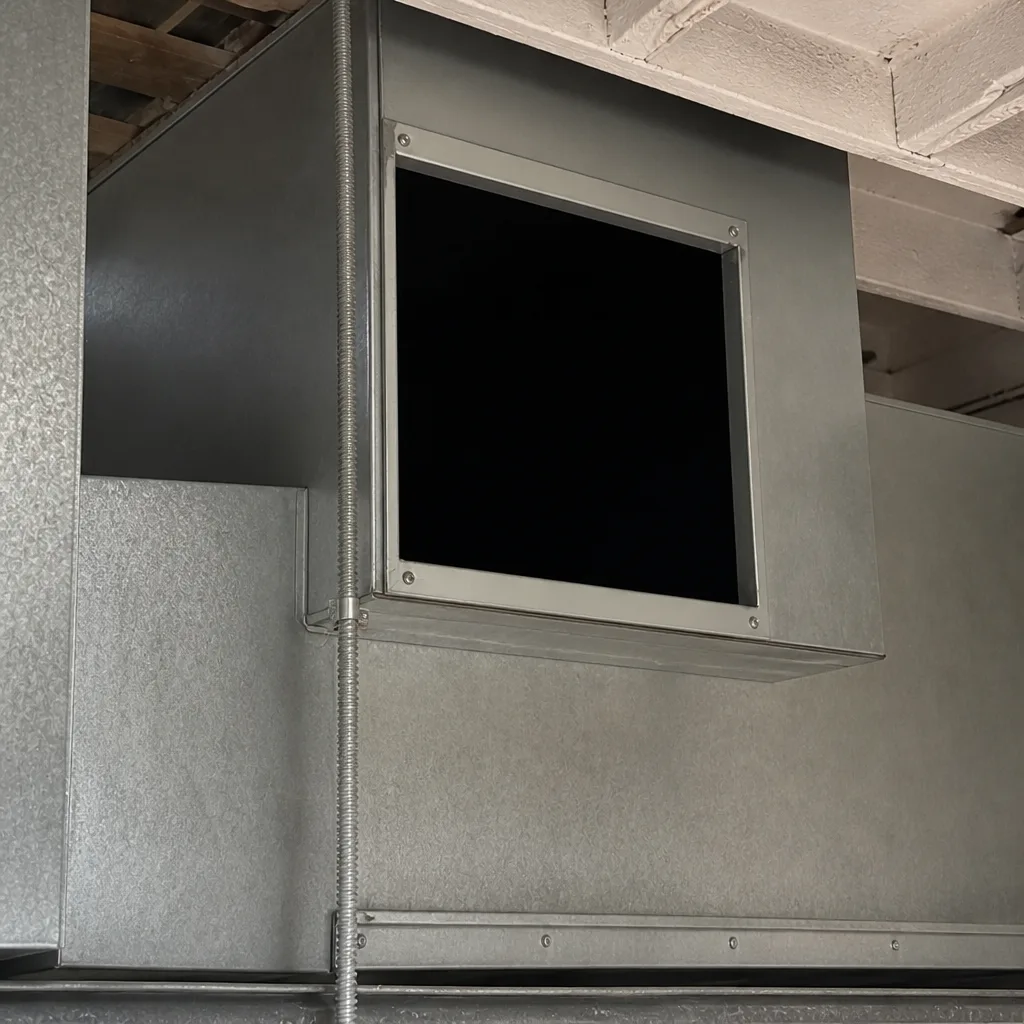
Whole-system duct and dryer vent check with before-and-after photos - you see exactly what came out of your vents
That "$99 whole-house special" is a bait ad - the real number appears once they are in your hallway, or the "clean" is a shop-vac at the register. We photograph the inside of your ducts before and after instead.
Air Duct Cleaning Cost Breakdown: The Washington Heights Homeowner’s Reference for 2026
A $149 whole-house duct cleaning quote and a $650 quote for the same Washington Heights apartment aren’t necessarily describing a 4x price gap in profit margin. They’re often describing two entirely different scopes of work performed with different equipment. The number alone tells you almost nothing about what happens once the crew is inside your building. In this reference, we walk through the real cost variables in Washington Heights housing stock: pre-war duct access, linear footage vs. square footage, equipment grade, and which add-ons are worth paying for. By the end, you’ll know how to compare two quotes side by side instead of just comparing the totals.
Quick Answer
Air duct cleaning in Washington Heights typically runs $350 to $900 for a standard apartment or single-family home in 2026, with multi-family and central systems in larger buildings reaching $1,200 to $2,500 depending on linear duct footage and access difficulty. The single biggest cost driver isn’t square footage; it’s how hard it is to reach the ductwork in a pre-war building with narrow chases and no clean-out panels. The written estimate you receive before work starts sets the final price, and any quote that arrives as a per-vent number without a walkthrough is a number to be skeptical of.
Styles & brands we work with
- Whole-home duct cleaning
- Dryer vent cleaning
- Camera inspection
- Sanitizing & deodorizing
Table of Contents
- Why two quotes for the same apartment can differ by hundreds of dollars
- The real cost variables in Washington Heights housing
- How pre-war duct access affects labor cost
- What equipment grade actually costs, and what it buys
- 2026 Washington Heights price ranges by system type
- Add-ons worth paying for vs. add-ons routinely upsold
- How to read a duct cleaning quote line by line
- Square footage vs. linear footage: which metric to insist on
Why Two Quotes for the Same Apartment Can Differ by Hundreds of Dollars
The first reason is scope. A low quote often covers only the visible trunk lines and the supply registers you can reach without moving furniture. A complete job covers trunk lines, branch runs, return ducts, the air handler cabinet, and the registers and grilles on both sides of the system. Those are two different jobs wearing the same name.
The second reason is equipment. A crew running a shop-vac with a brush attachment is working at a fundamentally different level than a crew running a Rotobrush or Nikro system with a HEPA filtration unit in the room. One is scraping at what’s reachable. The other is pulling the entire duct run under negative pressure with containment. The first costs less because it does less. It doesn’t reach the dust that has settled into the low points of the duct, and it doesn’t protect your apartment from the dust it disturbs.
The third reason is building type. In a Washington Heights pre-war walk-up, the ducts in a two-bedroom apartment are often packed into a narrow chase between the kitchen and bathroom. There may be no clean-out panel, and the original riveted joints can’t be opened the way modern snap-lock joints can. That takes time, patience, and the right tool for the run. In a newer high-rise in Hudson Heights, the ductwork is more accessible and the job runs faster. Two apartments a mile apart in Washington Heights can have wildly different labor hours behind the same service name.
The fourth reason is who shows up. A crew that carries a ladder, a vacuum, and a brush is not the same crew that carries a camera, containment equipment, and a filtration unit sized for the apartment. The quote reflects the crew, and the crew reflects the job.
The Real Cost Variables in Washington Heights Housing
Six factors drive the price of air duct cleaning in Washington Heights more than any others. None of them is the number of square feet in your apartment.
- Linear duct footage. A 900-square-foot apartment with long duct runs at the top of a tall building can have more duct than a 1,400-square-foot townhouse with a compact central system. The total length of ductwork to be cleaned, not the area of the floor plan, is what determines vacuum time and brush passes.
- System type. Forced-air central systems, through-wall PTAC-style units, and multi-family fan-coil systems each have a different cost profile. Central systems have more duct to clean. Through-wall units are usually an air-quality add-on rather than a duct cleaning.
- Number of registers and returns. Each register needs to be removed, cleaned, and reinstalled. A studio with four registers is a different job from a three-bedroom with eleven registers and two returns.
- Access difficulty. Pre-war narrow chases, absence of clean-out panels, and riveted joints all add labor. So does a rooftop mechanical room or a pipe chase that requires pulling a section of ceiling for access.
- Contamination level. Building-wide renovation dust in a Washington Heights co-op, construction dust from a neighboring unit, or years of settled debris near the kitchen all add to the cleaning time. A system that’s been maintained every few years takes less time than one that hasn’t been touched since the Carter administration.
- Equipment grade and containment. A job with Abatement Technologies filtration in the room costs more to run than a job without it. That containment is what stops disturbed dust from settling on your furniture and in your lungs while the work happens.
If a contractor quotes you based on square footage alone, ask them how many linear feet of duct and how many registers they’re accounting for. If they can’t answer, the quote isn’t scoped; it’s a guess.
How Pre-War Duct Access Affects Labor Cost
Most of Washington Heights was built before 1950, and that fact changes the labor math on every job. In a pre-war building, ductwork often runs inside a tight chase between the kitchen and bathroom, with the original galvanized duct sealed at riveted joints that were never designed to come apart. There may be no access panel on the trunk line. There’s no service door on the air handler closet. Nothing is labeled.
What that means for a crew:
- Access panels may have to be cut into the chase to reach the duct, and those panels are the homeowner’s or building’s responsibility to authorize.
- The original ductwork may be wrapped in older insulation that has to be handled carefully and can loosen during cleaning.
- Narrow chases may only accept a smaller-diameter hose, which slows the cleaning and requires more passes to reach the same result.
- In some cases the co-op’s alteration agreement or the building’s managing agent has to approve any change to the duct or chase before work begins.
A crew with up to 13 years of experience in pre-war buildings will recognize these conditions on a walkthrough and quote them up front. A crew without that experience will quote the job as if it were a modern suburban house, then either cut corners or add line items once they’re on site. If your quote was written without anyone walking through your Washington Heights apartment and looking at the ducts, ask why. That walkthrough is the difference between an estimate and a wish.
What Equipment Grade Actually Costs, and What It Buys
Equipment grade is the variable most guides leave out, and it’s often the largest honest cost difference between two quotes. Here’s a plain comparison of what each tier does.
- Shop-vac and brush tier (typically the lowest quote). A handheld vacuum and a rotating brush. Reaches what the hose can reach. Disturbs dust into the room. No containment, no negative pressure. Appropriate for touching up a register, not for cleaning a system.
- Wet-vac and blower tier. A larger vacuum and a blower to push air through the ducts. Moves dust around. Without containment, some of it comes back into the living space. Common in low-quote operations.
- Professional-grade tier (Rotobrush and Nikro systems). Purpose-built duct cleaning machines that combine high-volume negative pressure with rotating brush agitation, run through the duct under containment. This is the category that actually removes settled debris from the run instead of moving it. It’s the equipment stack we use, and it’s why the quote is higher.
- Containment-grade tier (Abatement Technologies filtration in the room). HEPA filtration at the point of work, so the dust disturbed by cleaning doesn’t settle across your apartment. This matters most in a pre-war Washington Heights apartment where the dust that’s been in the ducts for a decade is now in the air.
What the equipment difference buys you is verifiable work: before-and-after photos of your own ducts, taken by the person doing the cleaning, showing the difference between the trunk line at the start and the trunk line at the end. A shop-vac operation can’t show you photos of the inside of the duct because they never saw it. On a professional-grade job, the photos are part of the deliverable.
The related service menu matters here too. Equipment that can only clean can’t address a duct that’s pulling air from a leaky chase. That’s why our duct repair & sealing service runs alongside cleaning: sealing the leak is what makes the cleaning last longer than the next windy day.
2026 Washington Heights Price Ranges by System Type
The ranges below are typical estimates for the 2026 Washington Heights market. They reflect standard residential and light-commercial jobs; your written estimate sets the final price after a walkthrough. Prices are higher for larger duct systems, harder access, and heavier contamination.
| System type | Typical 2026 range (estimate) | What drives the number |
|---|---|---|
| Standard apartment, forced-air system (1-2 bedrooms, accessible ducts) | $350 – $550 | Linear footage, register count, ease of access |
| Apartment with pre-war access difficulty (narrow chase, no clean-out panel) | $500 – $750 | Added labor for access, more cleaning passes |
| Through-wall / PTAC unit cleaning (per-room add-on) | $100 – $250 | Number of units, fin condition, filter state |
| Single-family home or large co-op with central system | $650 – $1,200 | Linear footage, number of zones, HVAC cabinet cleaning |
| Multi-family building with shared trunk and fan-coil systems (per unit, at scale) | $1,200 – $2,500 | Unit count, shared trunk length, access plan, containment |
| Dryer vent cleaning (standalone safety service) | $150 – $300 | Vent length, roof or exterior termination, lint build-up |
Two things to take from this table. First, a quote at the very bottom of a range is often a quote for the visible parts only. Second, a quote at the very top of a range without a specific reason in the estimate is a quote to walk away from. The right number is one that names what it’s for.
If your system also has a problem with the air handler cabinet, coils, or blower, that’s a separate scope of work and priced as HVAC cleaning. Cleaning the ducts without the cabinet is like changing the water in a dirty glass.
Add-ons Worth Paying For vs. Add-ons Routinely Upsold
This is where many homeowners get the bait-and-switch. A low base quote grows at the door because the crew has a menu of add-ons. Some are legitimate. Some are pure margin.
Legitimate add-ons, priced honestly:
- Sanitizing after confirmed mold or biological growth. If a camera inspection shows visible growth inside the duct, sanitizing is a reasonable step. It’s the fix for a confirmed problem, not a default line item on every job.
- Duct repair and sealing. If the walkthrough finds leaks at joints or disconnected runs, sealing them is a real fix. Air pulled from a crawl space or a neighboring unit is the source of most “musty smell” complaints in Washington Heights, and cleaning alone doesn’t stop it.
- Dryer vent cleaning as a standalone safety service. This one has nothing to do with your HVAC ducts, but the fire risk from a blocked dryer vent is real and NFPA-cited. If your vent hasn’t been cleaned in a couple of years and the dryer runs hot, it’s a legitimate call.
- Replacing a worn return-air filter with a proper filtration product such as an Aprilaire or Honeywell filter. If your filter housing takes a pleated media filter and someone has been using a flimsy fiberglass panel, an upgrade is money well spent.
Add-ons routinely upsold without cause:
- Deodorizing with a fragrance. If the smell is from debris, cleaning fixes it. If the smell is from mold, sanitizing after a camera confirm fixes it. A fragrance covers the smell and waits for it to come back.
- “Anti-microbial coating” pitched on every job. Coating a duct that doesn’t have a microbial problem is a product looking for a reason. Ask for photos of the growth before you pay for a coating.
- Per-vent sealing or “duct encapsulation” without a reason. If you’ve seen the photos and there’s a leak, seal it. If you haven’t, don’t buy it.
The general rule: any add-on should come with a specific reason in the estimate, backed by a photo or a camera finding. A generic “recommend sanitizing for health” without seeing the inside of the duct is a sales script.
How to Read a Duct Cleaning Quote Line by Line
A real duct cleaning quote is four to eight lines long and names what each line covers. Here’s what to look for in the order it should appear.
- Scope of ductwork listed by linear footage or by run. Not a per-vent number, not a flat “whole house.” It should name supply trunks, branch runs, and return ducts separately.
- Register and return grille count. The number of grilles being removed, cleaned, and reinstalled should be on the quote.
- Air handler or furnace cabinet cleaning listed explicitly if it’s included. If it isn’t, ask why not.
- Equipment named. A quote that names Rotobrush, Nikro, or Abatement Technologies as the equipment is one where the contractor stands behind the method. A quote that just says “professional equipment” is a blank check on that line.
- Containment and filtration. If the job involves HEPA filtration in the room, it’s on the quote. It’s a real cost line, not a claim.
- Camera inspection and before-and-after photos. Stated as part of the deliverable.
- Total, single-line price. One flat price for the system, agreed before work starts. If a crew arrives and starts adding dials and toggles, the price you agreed is the price that gets written on the invoice.
Read the quote against those seven items. Almost every bad duct cleaning experience in Washington Heights comes from a quote that’s missing two or three of them. If you want to see the deeper version of what each line should cover, our air duct cleaning page lays out the full process.
A word on quotes that arrive before anyone sees your apartment. A flat per-vent price over the phone is a marketing number, not an estimate. Anyone who’s cleaned ducts in a pre-war Washington Heights building knows that two identical apartments can have very different labor behind them. A real quote follows a walkthrough.
Square Footage vs. Linear Footage: Which Metric to Insist On
Almost every low-end duct cleaning site prices by square footage. They take the floor area of your apartment, multiply by a rate, and quote a number. That’s convenient for the contractor and useless for you.
Duct cleaning is a function of how much ductwork there is to clean, not how much floor area the ductwork serves. A four-bedroom apartment with a single-zone system and short duct runs can have less duct to clean than a two-bedroom with two zones and long runs from a rooftop mechanical room. Square footage gets the answer wrong in both directions.
What to ask instead:
- How many linear feet of duct are included in this quote?
- How many supply runs and how many return runs?
- How many registers and return grilles?
- Is the air handler cabinet included?
- What equipment will be on site?
A contractor who can answer those five questions on the spot has actually looked at your system. A contractor who says “we’ll figure it out when we get there” is quoting a hope. If you want to know what a full-system cleaning in Washington Heights actually involves from the first session, the Air Duct Cleaning Washington Heights page gives you a walk-through of the process from the doorstep in.
For property managers handling multiple units in a Washington Heights co-op or rental building, linear footage is also the only fair way to compare quotes across the building. Ask each contractor to bid the same linear footage on the same number of units and you’ll get comparable numbers instead of a stack of apples-to-oranges quotes.
Common Mistakes to Avoid
- Booking a per-vent price without a walkthrough. Two sentences: a per-vent number quoted over the phone can’t account for access difficulty, and pre-war Washington Heights buildings are where that difference shows up hardest. Insist on a walkthrough before you agree.
- Skipping the camera inspection. Two sentences: if the crew doesn’t have a camera to show you the inside of the duct before and after, you’re trusting a claim instead of a photo. Ask for before-and-after photos of your own ducts as part of the deliverable.
- Buying a deodorizer to solve a smell. Two sentences: if the smell is from debris, cleaning fixes it; if it’s from mold, sanitizing after a confirmed finding fixes it. A fragrance covers both and fixes neither.
- Assuming the air handler is included. Two sentences: the cabinet, coil, and blower are separate scope from the ducts and often the biggest source of dust in the system. If it’s not on the quote, ask; expect it to be an added line, not a free inclusion.
- Ignoring the dryer vent because it’s not part of the HVAC. Two sentences: a blocked dryer vent is a fire hazard, and it’s the one duct cleaning task that’s genuinely safety-critical. If your dryer runs hot or takes two cycles to dry a load, get it looked at.
- Cleaning without checking for leaks. Two sentences: cleaning a duct system that’s leaking from a crawl space or a neighboring unit just re-contaminates it on the next cycle. If the walkthrough finds a leak, sealing is the fix that makes the cleaning last.
- Choosing a quote solely on the number. Two sentences: the cheapest quote is often for the visible third of the system, and the most expensive quote without a reason in the estimate is padding. Compare the listed scope first, then the number.
See the difference
 Before
 After
 Before
 After
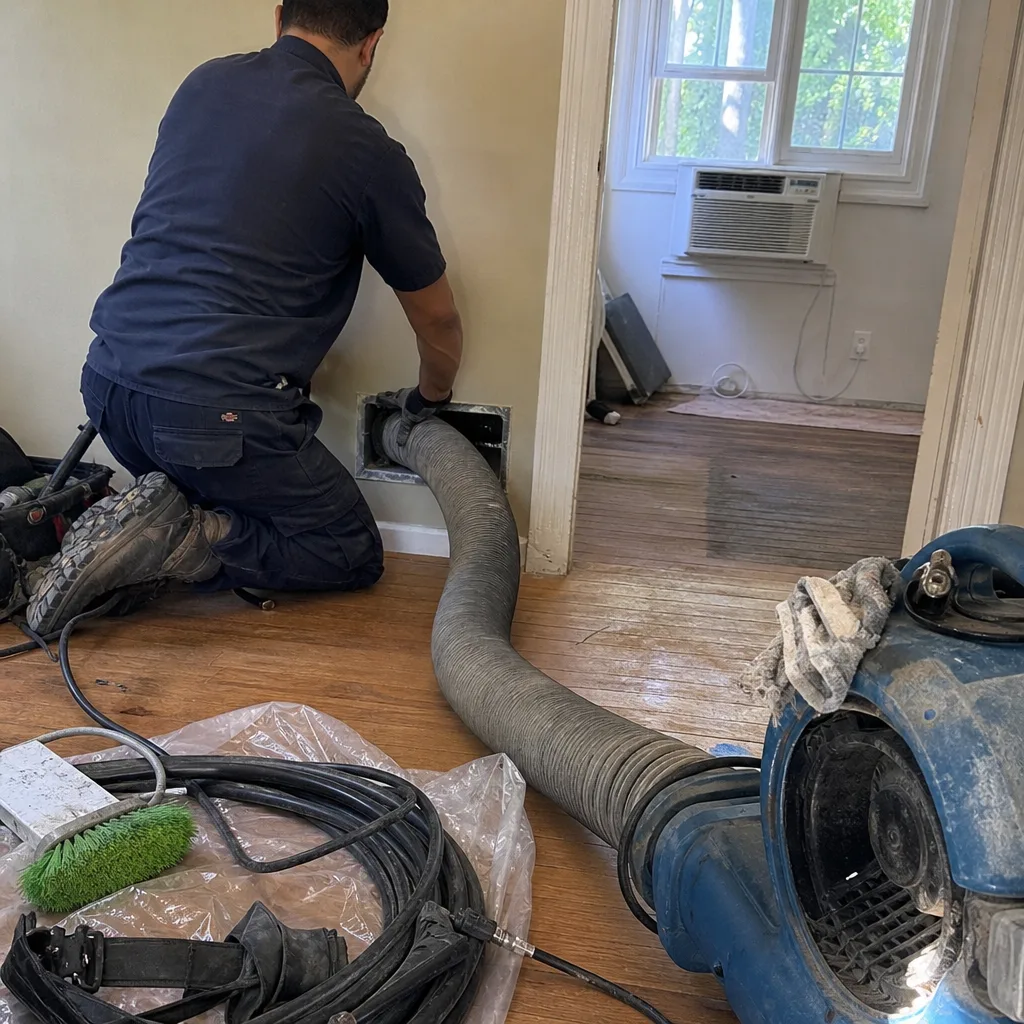 Before
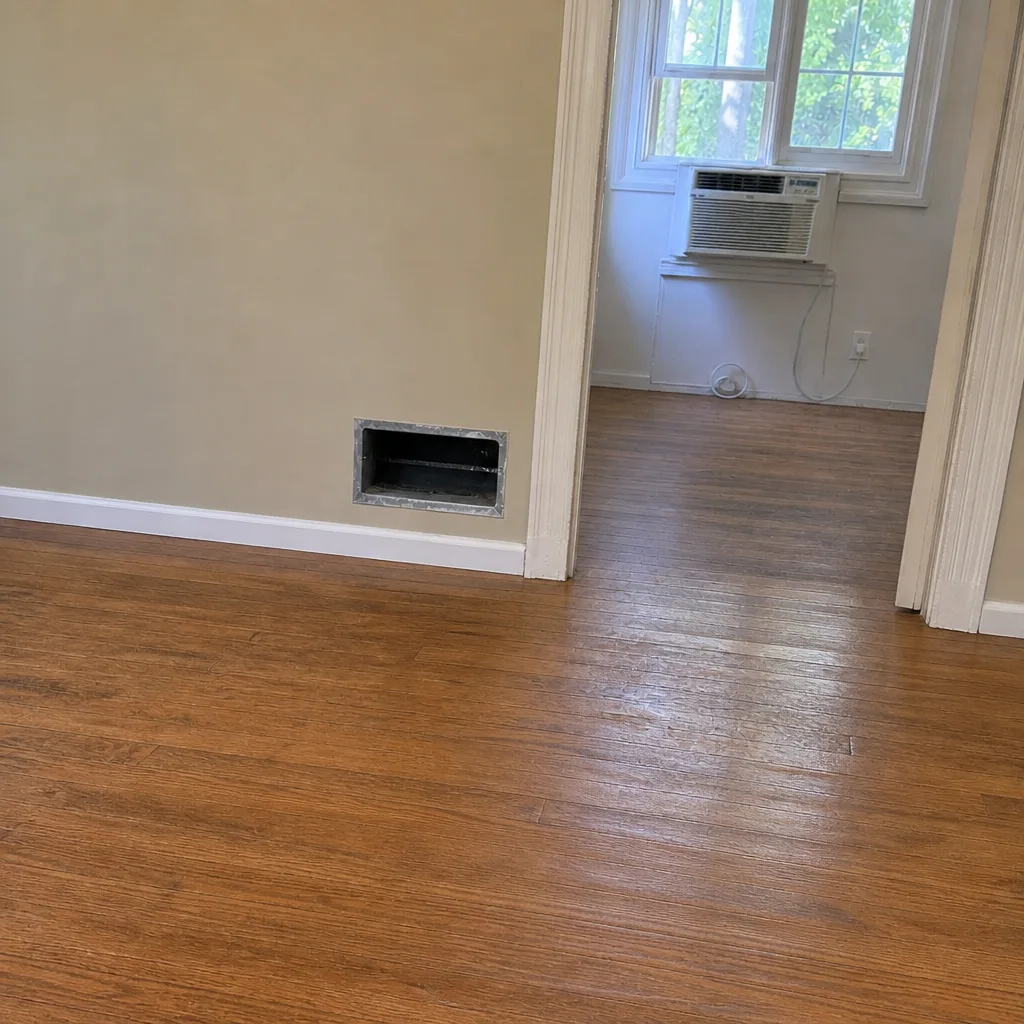 After
When to Call a Professional
Call a professional when you’ve noticed dust build-up on surfaces within days of cleaning, a musty smell that returns after airing out the apartment, uneven airflow between rooms on the same zone, or allergy-type symptoms that get worse indoors. Those are signs worth a camera inspection and a real estimate. Similarly, call us if your dryer runs hot, takes two cycles, or your dryer vent hasn’t been cleaned in a couple of years; that’s a safety matter independent of the HVAC system. If you have documented water intrusion or visible mold near a duct or register in your Washington Heights apartment, get that inspected before anyone runs a cleaning cycle. For any of the above, Air Duct Cleaning Washington Heights offers free estimates in Washington Heights. Call (877) 792-7271. We answer 24/7. Fast dispatch from 7am to 7pm, Sunday through Friday.
Frequently Asked Questions
A standard apartment in Washington Heights runs roughly $350 to $550 for an accessible forced-air system, with pre-war access difficulty pushing the range to $500 to $750 and multi-family central systems reaching $1,200 to $2,500. The written estimate after a walkthrough sets the exact price on your job. Call (877) 792-7271 for a free estimate; estimates are free and no work begins until you’ve agreed to the price in writing.
Because they’re often for a much smaller scope of work, performed with less equipment. A low quote usually covers only the visible trunk lines and reachable registers with a shop-vac; a professional quote covers the full run of ductwork, the returns, the air handler cabinet, and containment filtration in the room. The number tells you what equipment is on site, and the equipment tells you what actually gets cleaned. Call (877) 792-7271 and we’ll walk you through what a proper quote should list on your specific apartment.
Ask for before-and-after photos of your own ducts, taken by the crew doing the cleaning, and for a camera inspection if the duct runs allow it. On our jobs, the photos are part of the deliverable: if you can’t see the inside of the duct before and after, you’re trusting a claim instead of a result. Call (877) 792-7271 to book a walkthrough and see the equipment that will be on site.
Most residential systems in Washington Heights do well with a cleaning mid-way through a duct system’s useful life rather than on a fixed calendar. A well-maintained building with regular filter changes often goes longer; a building that’s been through renovation dust or water intrusion is worth a camera check sooner. Beyond that, if dust returns to surfaces within days or a musty smell settles in, that’s the signal, not a schedule. Call (877) 792-7271 for a free walkthrough and we’ll tell you honestly whether yours is a clean-now or a wait situation.
Dryer vent cleaning is a separate service from HVAC duct cleaning, and it’s the one that’s genuinely safety-critical. A blocked dryer vent is an NFPA-cited fire hazard, and the signs are a dryer that runs hot or takes two cycles to dry a load. We offer dryer vent cleaning as a standalone service in Washington Heights. Call (877) 792-7271 to get it on the schedule.
Sanitizing is worth it when a camera inspection confirms actual mold or biological growth inside the duct. It’s an upsell when it’s presented as a default add-on for every job without anyone having looked inside. Ask to see the photo of the growth before you agree to the line item. Call (877) 792-7271 if you want a walkthrough with a camera before making that decision.
The Bottom Line
The cost of air duct cleaning in Washington Heights is shaped by linear duct footage, access difficulty in pre-war buildings, system type, and equipment grade; not by square footage and not by the size of the marketing number on the flyer. Compare quotes on scope, not price alone. Insist on a walkthrough, linear footage and register count in the estimate, named equipment, containment, and before-and-after photos. When you get those five things, the number on the page is a number you can actually trust. That’s the standard we hold to. Our technicians have up to 13 years of experience working across Washington Heights apartments and buildings.
If you’re ready to compare a real quote to the ones you’ve been handed, call us. Free estimates, a flat price per system agreed before work starts, and photos of your own ducts before and after. Call (877) 792-7271. We answer 24/7. Fast dispatch from 7am to 7pm, Sunday through Friday.
Written by the team at Air Duct Cleaning Washington Heights.