
Last updated November 22, 2026
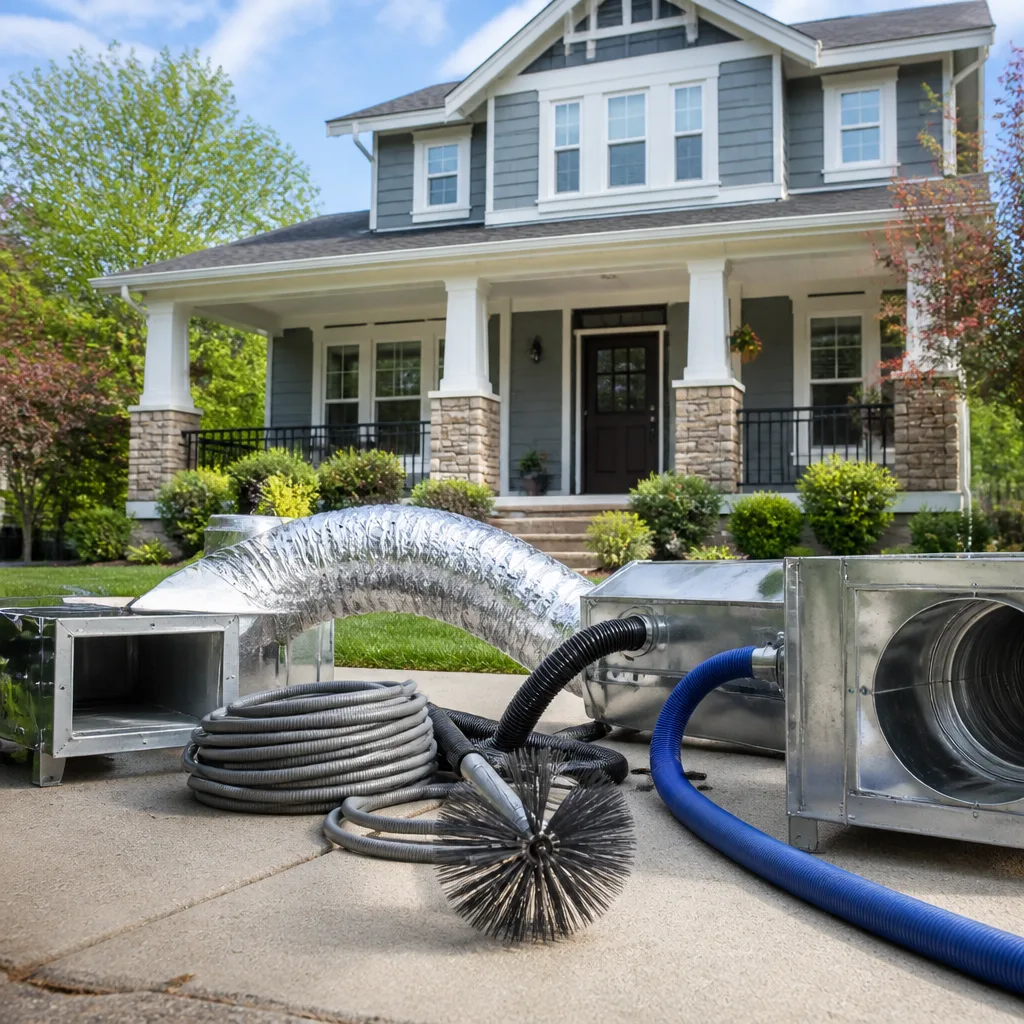 Whole-home duct cleaning
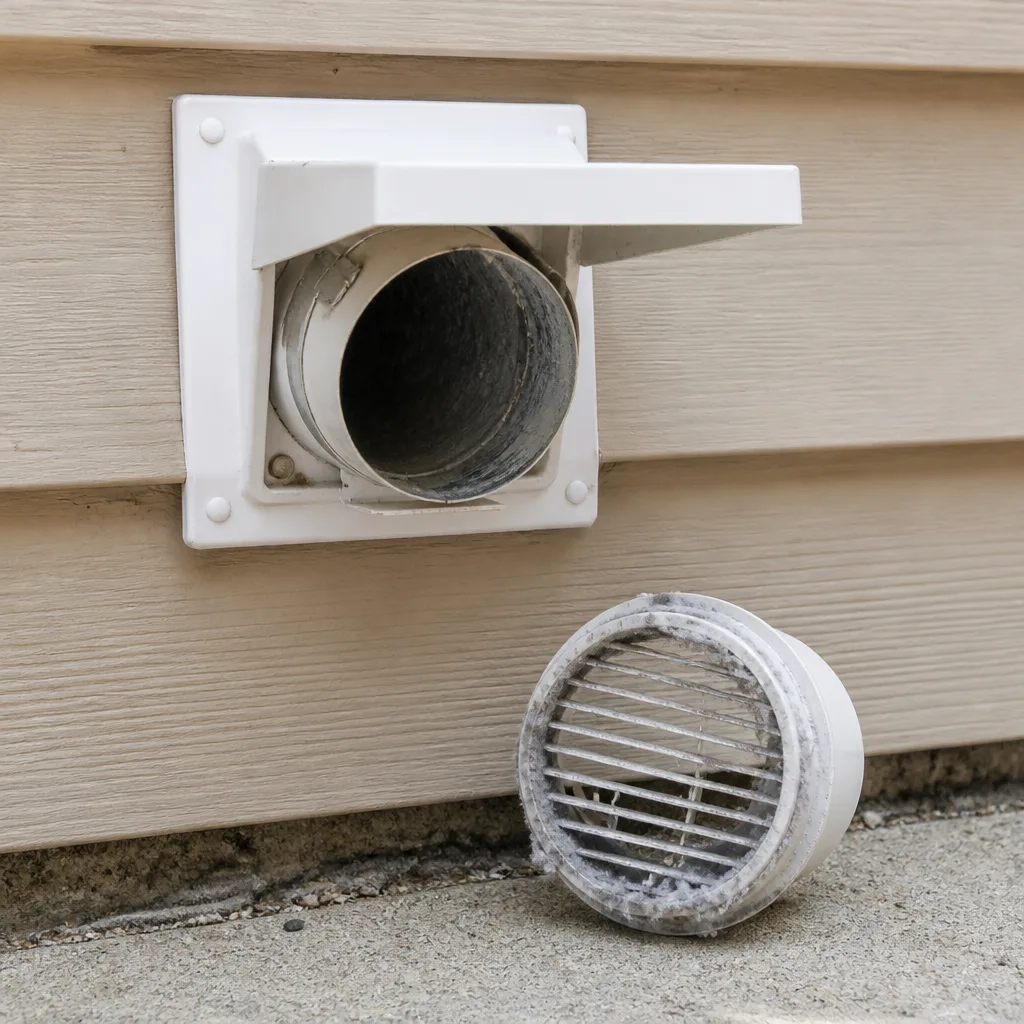 Dryer vent cleaning
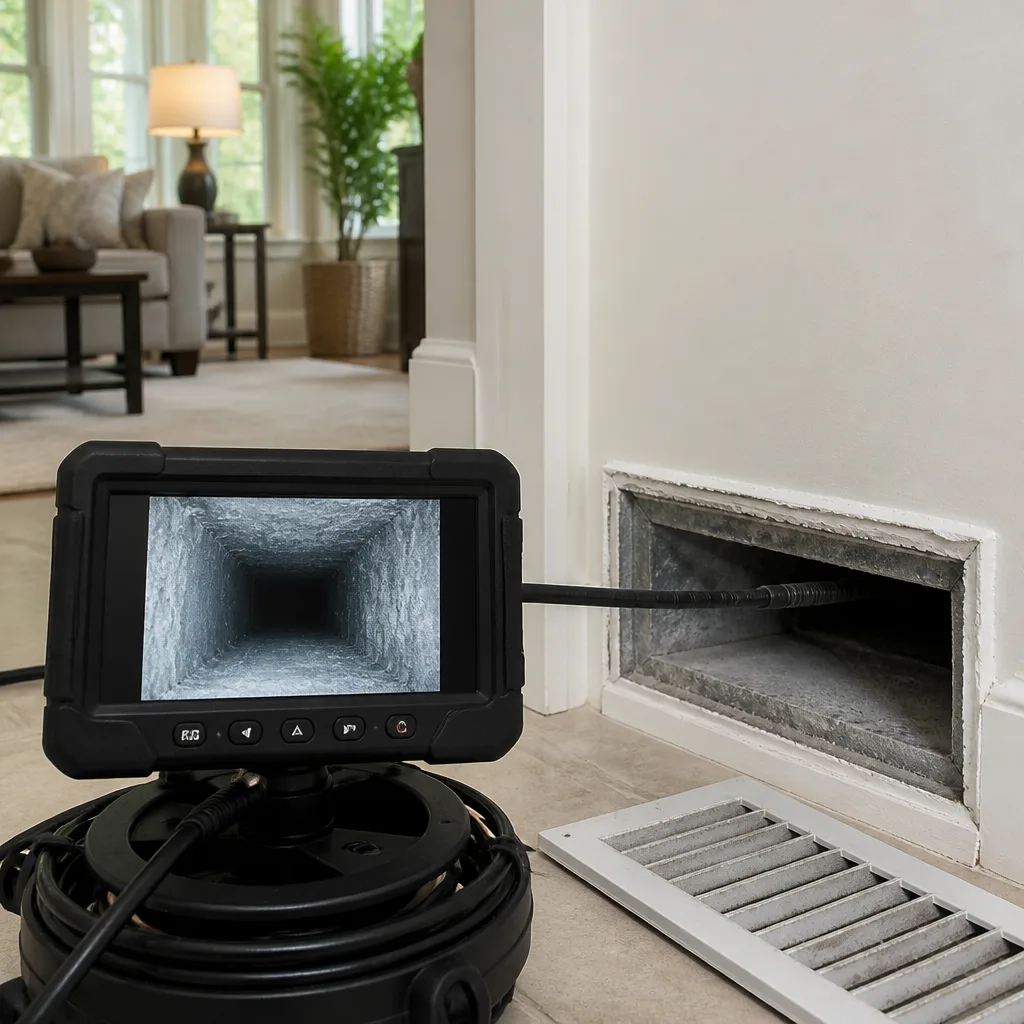 Camera inspection
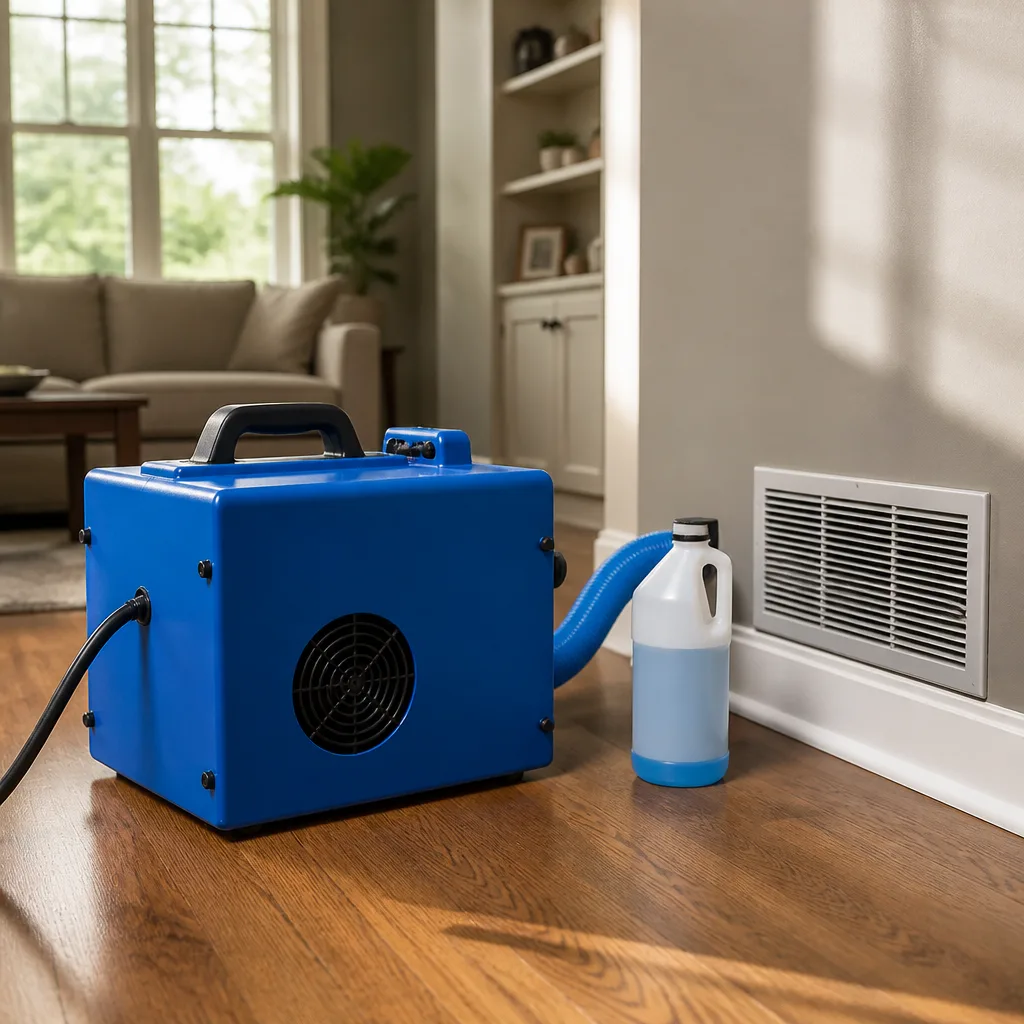 Sanitizing & deodorizing
Whole-system duct and dryer vent check with before-and-after photos - you see exactly what came out of your vents
That "$99 whole-house special" is a bait ad - the real number appears once they are in your hallway, or the "clean" is a shop-vac at the register. We photograph the inside of your ducts before and after instead.
HVAC Cleaning Maintenance Checklist for Washington Heights Homeowners
If your Washington Heights apartment still has original cast-iron radiators standing in the corner of each room, and there’s also a forced-air unit tucked into a closet or a later addition, you’re running two separate air systems under one roof. Most generic maintenance checklists only account for one of them. So you get advice that fits a suburban house but not the pre-war building you actually live in. This guide is built for Washington Heights housing reality: mixed hydronic and forced-air systems, buildings where one super manages twenty units, and air that picks up more traffic particulate than most neighborhoods in the city. You’ll learn which tasks apply to which system, when to do them on the Upper Manhattan calendar, who’s responsible in a multi-unit building, and how to document the work for HPD compliance and landlord-tenant protection.
Quick Answer
A Washington Heights homeowner should clean their HVAC system once a year, change forced-air filters every 2 to 3 months (more often near major traffic corridors), book duct cleaning when they see visible dust at the registers or notice uneven airflow, and clean the dryer vent once a year. If the building uses hydronic heat, the checklist separates radiator and boiler tasks from forced-air tasks, because they fail in different ways and on different schedules.
Styles & brands we work with
- Whole-home duct cleaning
- Dryer vent cleaning
- Camera inspection
- Sanitizing & deodorizing
Table of Contents
- Which System Do You Actually Have?
- The Upper Manhattan Seasonal Calendar
- Hydronic Checklist for Pre-War Apartments
- Forced-Air Checklist for Washington Heights Units
- Filter Specs for High-Particulate Corridors
- Who Is Responsible in a Multi-Unit Building?
- Documenting Maintenance for HPD and Disputes
- The Dryer Vent Line Item Nobody Puts on the List
Which System Do You Actually Have?
Before you run any checklist, figure out what’s moving the air and heat in your apartment. In Washington Heights, there are three common configurations, and each one has a different maintenance calendar.
Hydronic (hot water or steam)
These are the cast-iron radiators and the baseboard convectors connected to a building boiler. There’s no ductwork in a pure hydronic system, so “duct cleaning” is not a phrase that applies here. Maintenance means bleeding radiators, checking valves, and reporting boiler issues to the building.
Forced air
A furnace or air handler pushes conditioned air through a network of ducts to supply registers. This is the system that needs filter changes, duct cleaning, and duct repair as it ages. Forced air retrofits are common in Washington Heights units that were renovated in the last few decades.
Hybrid
This is the Washington Heights special: a pre-war apartment with original hydronic heat and a later-added forced-air unit for cooling or supplementary heat. Both systems need attention, but not on the same schedule. Nothing in this guide will make you buy that you need to treat them as one.
Take five minutes to walk your apartment and note which rooms have radiators, which have supply registers, and whether the radiator piping connects to the same equipment as the ducts. If it doesn’t, you have a hybrid, and the rest of this checklist applies in two tracks.
What each system generally needs
- Hydronic: annual bleed, valve inspection, radiator clearances, boiler-room issues reported to the super or management
- Forced air: filter changes every 2 to 3 months, duct inspection annually, duct cleaning every 3 to 5 years, sanitizing only if there’s odor or moisture
- Hybrid: both columns above, run separately
The Upper Manhattan Seasonal Calendar
The national maintenance advice you’ll find online assumes a mild four-season climate and a single HVAC system. Upper Manhattan runs on a different rhythm. Heating season here runs roughly October through May, which is longer and heavier than the national average. Summer brings humid stretches that load a cooling unit harder than the temperature alone suggests. And the building’s boiler becomes the dominant air mover in winter, not the forced-air system.
Fall (September to November)
- Bleed radiators before the building fires the boiler, so trapped air doesn’t leave one room cold all winter
- Replace forced-air filters ahead of heating season
- Walk the supply registers and return grilles for visible dust and lint buildup
- Book a duct cleaning or inspection if it has been 3 or more years
Winter (December to March)
- Check radiators monthly for cold spots, banging, or valve leaks
- Watch for condensation on windows and around air handlers; winter dryness usually comes from the boiler, not the ducts
- Replace filters mid-season if they load up faster than usual
Spring (April to June)
- Replace filters before the cooling season starts
- Inspect duct seams and connections for gaps that leak conditioned air into wall cavities
- Clean the dryer vent before summer, when the unit runs more
- Book an HVAC cleaning if the winter left visible dust or musty odor at the registers
Summer (July to August)
- Replace filters again if the cooling system runs hard
- Watch for musty odors at returns, which usually mean moisture, not dirt
- Check the air handler drain pan and report leaks to the building if you rent
That calendar is what we line up against when scheduling Washington Heights jobs. It’s not the same calendar that works in a mild-weather market, and following a national average can leave you changing a filter that has already loaded months earlier.
Hydronic Checklist for Pre-War Apartments
Radiator and boiler maintenance isn’t duct work, but it belongs in a Washington Heights HVAC checklist because half the apartments here still use it. Start with the parts you can safely touch.
- Bleed each radiator once before heating season. Open the bleed valve with a radiator key until water (not air) comes out, then close it. Trapped air is the most common reason one room never heats while another is too hot.
- Check for leaks at the valve and the pipe joints. A slow drip at the valve in October becomes a rust ring on the floor by February.
- Clear the space around each radiator. Furniture, curtains, and rugs blocking airflow leave the room cold even when the radiator is hot.
- Listen for banging or clanking. Steam systems that bang usually mean water is trapped or the pipes slope wrong; report it to the super rather than trying to fix it yourself.
- Look for rust at the base and along the seams. Old cast iron can fail without warning, and a leaking radiator in a pre-war building is a landlord issue, not a tenant repair.
If your building uses a boiler, the boiler itself needs professional service each year, and that’s the building’s job, not yours. Never open a boiler, adjust a pressure relief valve, or touch the gas line feeding it. Gas and boiler work belongs to a licensed professional. Call your super and let the building schedule it.
Forced-Air Checklist for Washington Heights Units
Forced-air systems are the ones that need duct work, filters, and airflow checks. These are the items you can actually act on as a homeowner or tenant.
- Change the filter on a fixed interval (see next section for exact specs). Write the date on the filter frame with a marker so you never guess.
- Walk the registers quarterly. Look for dust plumes when the system starts, dark streaks on the grille, or visible debris sitting on the fins.
- Check the return air path. A bedroom door that closes tight can starve the return; a return grille blocked by a dresser does the same thing.
- Inspect the ductwork where you can see it: in closets, at the air handler, and behind accessible panels. Look for separated seams, crushed runs, or disconnected flex duct.
- Trust your nose. A musty smell that returns after cleaning usually means moisture is getting in, and duct sanitizing alone won’t fix it. Duct repair and sealing is usually the real answer.
- Book a full cleaning every 3 to 5 years, or sooner if you’ve done a renovation, moved in after a previous occupant, or the apartment has visible dust problems.
When we clean a system, the goal is to remove debris rather than move it around. The equipment we use, including Rotobrush and Nikro systems and Abatement Technologies filtration, is built to contain dust at the source and pull it out of the duct rather than blow it through the apartment. That’s the difference between a proper cleaning and a wet-vac pass with the system running.
Filter Specs for High-Particulate Corridors
Filter specs for a Washington Heights apartment need to reflect where the apartment sits. Units close to the major traffic corridors, or with windows facing busy avenues, pull in more fine particulate than an apartment on a quiet side street. That means higher-MERV filter media and shorter change intervals than the national “every three months” advice.
What to look for
- MERV 8 to MERV 11 is usually the right range for a residential forced-air system. It catches fine particulate without overloading the blower.
- MERV 13 is a higher-capture option, but only if your system can handle the extra static pressure. Many small residential air handlers can’t, and a filter that restricts airflow costs more in energy than it saves in air quality.
- Match the filter depth and dimensions exactly. A filter that doesn’t seal at the edges lets unfiltered air bypass it.
Change intervals
- Standard apartment, quiet street: every 3 months
- Apartment near a major traffic corridor or with construction nearby: every 2 months, or every 6 weeks during heavy pollen and traffic season
- Apartment with pets, or a unit that runs the fan continuously: every 6 to 8 weeks
- After any renovation in the building: change the filter immediately, and again at the two-week mark
If you want higher-grade filtration integrated at the air handler rather than at the return grille, that’s where brands like Honeywell and Aprilaire come in. Those are the filter housings we install where the system supports them, and they let you use deeper media that loads more slowly and seals better. When we quote a job in Washington Heights, we check the air handler and duct dimensions first, because guessing at filter size is how tenants end up with a filter that doesn’t fit.
Who Is Responsible in a Multi-Unit Building?
In a Washington Heights co-op, condo, or rental building, responsibility splits along one line: what serves your apartment versus what serves the whole building. Once you know which side of the line each task falls on, the rest is easier.
What the building (landlord, co-op, or condo board) typically owns
- Boiler, boiler piping, and the riser stack serving multiple apartments
- The building’s main heating system and any central HVAC equipment
- Ductwork that runs through common areas or between floors
- Dryer vent stacks that serve multiple units
- Any gas line feeding building equipment
What the individual owner or tenant typically owns
- Air filters at the return grille of an in-unit forced-air system
- Supply registers and return grilles inside the apartment
- The in-unit air handler, if the unit has its own
- Radiator bleed valves and the surface of the radiator itself (cleaning and clearance, not repair)
- The in-unit portion of a dryer vent, where the building layout separates it
What NYC housing code says in general terms
Under NYC housing law, the landlord is responsible for keeping the heating system in working order during heat season, and tenants are responsible for reporting problems promptly and in writing. Co-op and condo bylaws vary on interior ductwork and in-unit equipment, so check your proprietary lease or house rules before assuming the board will handle an in-unit cleaning. If you’re a tenant and the system isn’t working, put the request in writing through the building’s process. A phone call is easy to lose track of; a written request creates a record.
If the building’s system needs cleaning and the board or management is the decision-maker, we can work with them on scope and access. It’s common in Washington Heights for a single building to need one shared duct line cleaned and several in-unit systems cleaned on different schedules.
Documenting Maintenance for HPD and Disputes
Keeping records feels like busywork until you need them. In a Washington Heights building, a dated maintenance log is the difference between “I reported it in October” and a dispute you can’t win. It also helps when you sell a co-op, when a condo board asks for records, and when a landlord wants to argue a system wasn’t maintained.
What to keep
- Dated filter changes with photos of the old filter and the filter packaging showing the MERV rating
- Written reports from any professional cleaning, including before-and-after photos of the ducts
- Service invoices with the scope of work (cleaning, repair, sealing, sanitizing) spelled out
- Written requests to the building, including the date, the issue, and a photo if relevant
- A simple logbook kept inside the utility closet or air handler access panel with each entry dated and signed by whoever did the work
How HPD fits in
NYC HPD handles heat and hot water complaints and enforces housing maintenance code violations. If a heating issue persists after written notice, the complaint and the written record become the paper trail. We can’t tell you exactly what HPD will require in your case; that’s a question for HPD or a tenant advocate. What we can tell you is that a dated cleaning report and photos are far more useful than a memory of a phone call.
When we clean a system, we document the before-and-after condition of the ducts as part of the job. If you’re a homeowner, that report goes in your records. If you’re a tenant, it goes to the landlord. Either way, the record exists.
The Dryer Vent Line Item Nobody Puts on the List
Search for an HVAC maintenance checklist and the dryer vent is almost always missing. It shouldn’t be. Lint buildup in a dryer vent is a documented fire hazard, cited by the National Fire Protection Association, and a clogged vent also forces the dryer to run longer and hotter, which stresses the appliance and the wiring feeding it.
The dryer vent checklist
- Clean the lint screen after every load. This is the line item that prevents most problems.
- Check the outside vent flap once a month to confirm it opens freely and air is actually moving.
- Look behind the dryer for kinked or crushed flexible duct. A crushed run is a choke point for lint.
- Book a professional dryer vent cleaning once a year, and sooner if the dryer takes longer than usual to dry a normal load.
- Stop and call if you smell burning or the dryer gets hot to the touch. That’s a safety issue, not a maintenance item.
Dryer vent cleaning is on our service menu as its own item, and it’s the one we schedule most often for multi-unit Washington Heights buildings where a single vent stack serves several apartments. If you’re a building manager, it belongs on the annual list alongside the boiler service.
Common Mistakes to Avoid
- Running the national calendar. The national “clean in spring” advice misses Upper Manhattan’s long heating season. Following it means filters change too late and radiators get bled after the boiler fires.
- Treating a hybrid apartment as one system. If you have radiators and ducts, cleaning the ducts does nothing for a radiator that’s full of air, and bleeding the radiators does nothing for a loaded filter. Run both tracks.
- Using a high-MERV filter in a system that can’t move the air. A MERV 13 filter in a small residential air handler restricts airflow and can cause the coil to ice over. Match the filter to the equipment.
- Skipping the dryer vent. It’s on the service list for a reason. Lint fires don’t announce themselves, and a clogged vent is one of the cheapest hazards to eliminate.
- Cleaning ducts without fixing leaks first. A cleaning on a duct system with open seams re-contaminates within weeks. Duct repair and sealing should come first, or at the same time.
- Treating a damaged radiator or boiler as a tenant fix. Touching a gas line or a pressure relief valve isn’t a maintenance task, it’s a safety hazard. Report it to the building.
- Hiring on price alone without a written scope. A quote that doesn’t specify containment, equipment, and a before-and-after report is a quote you can’t hold anyone to.
See the difference
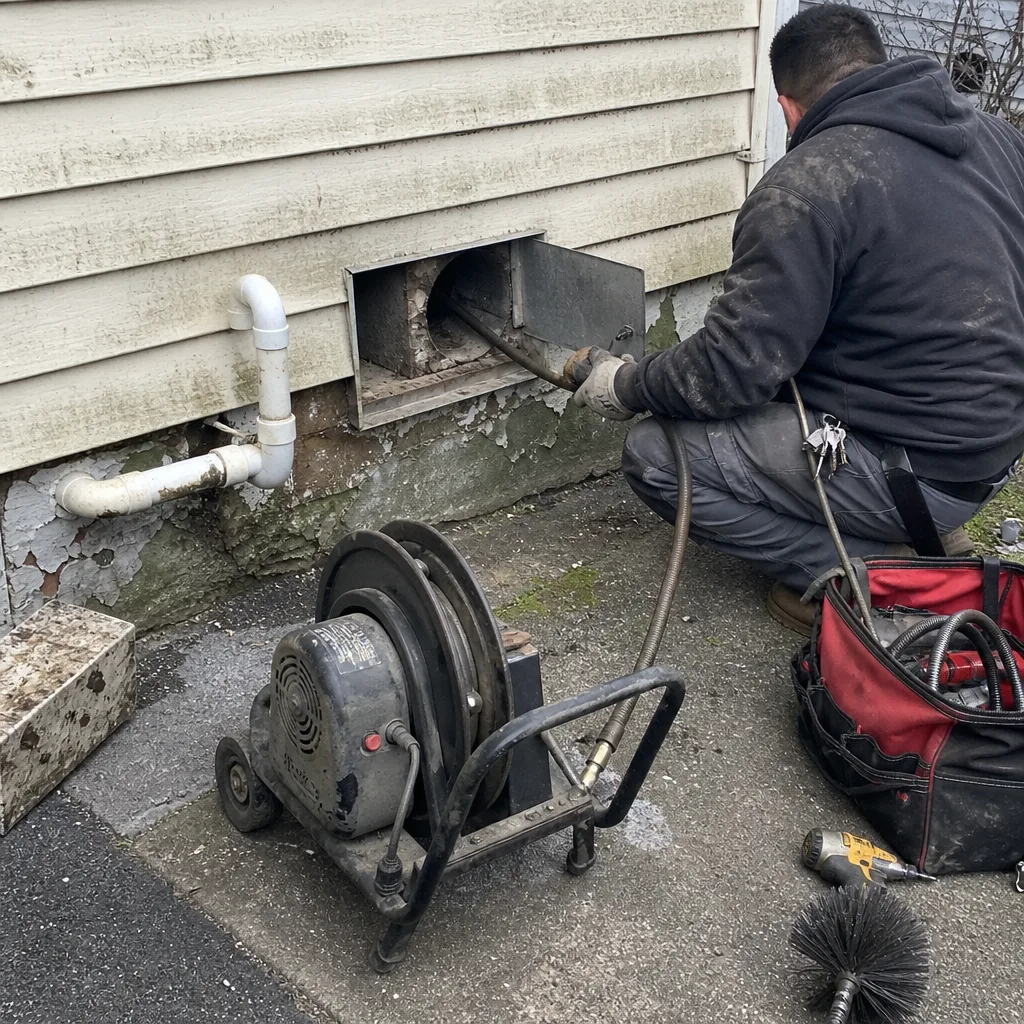 Before
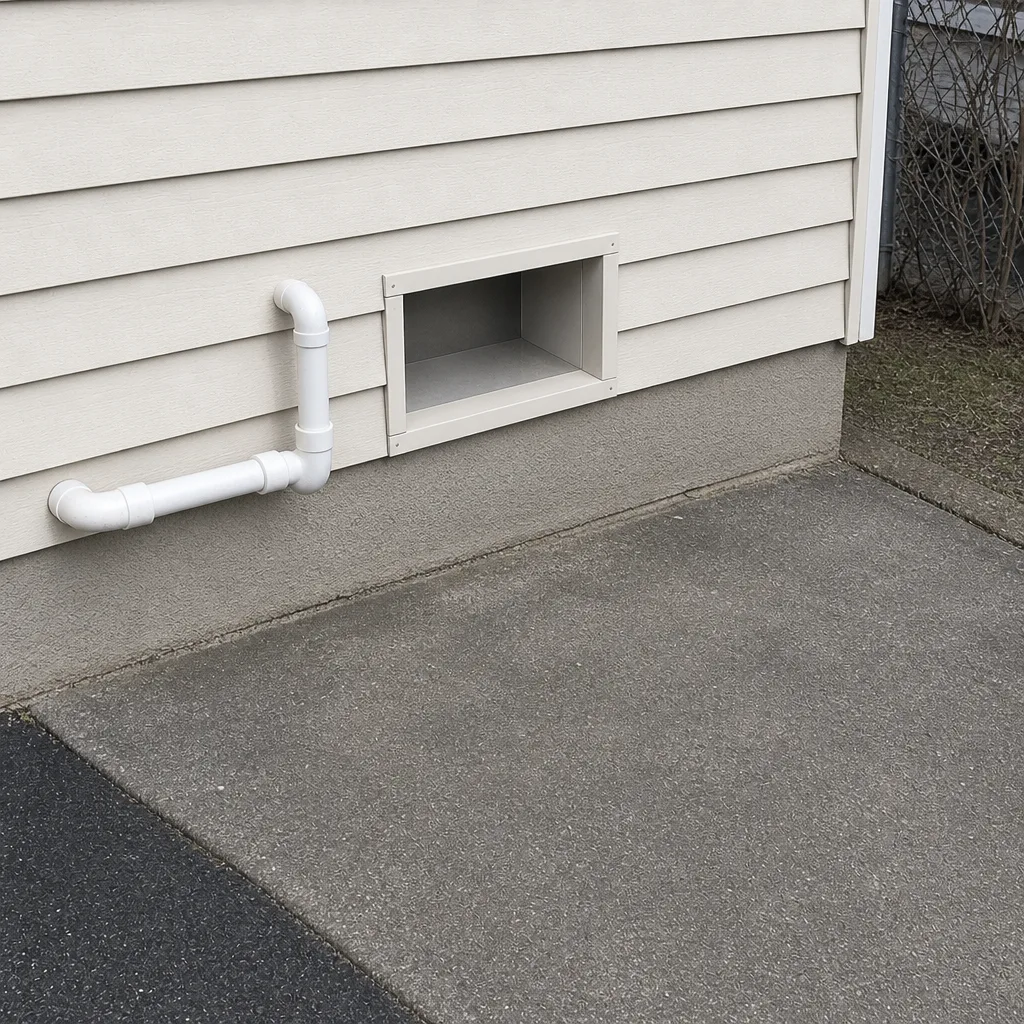 After
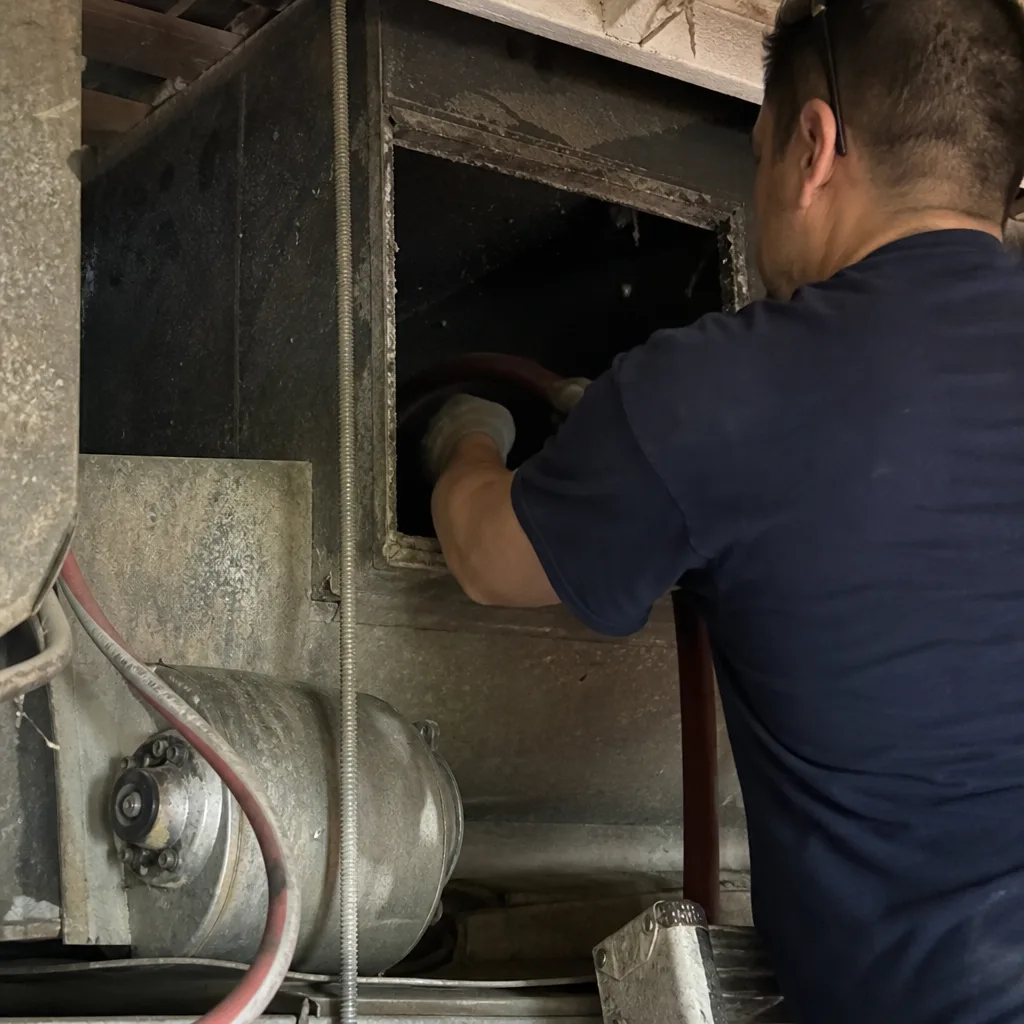 Before
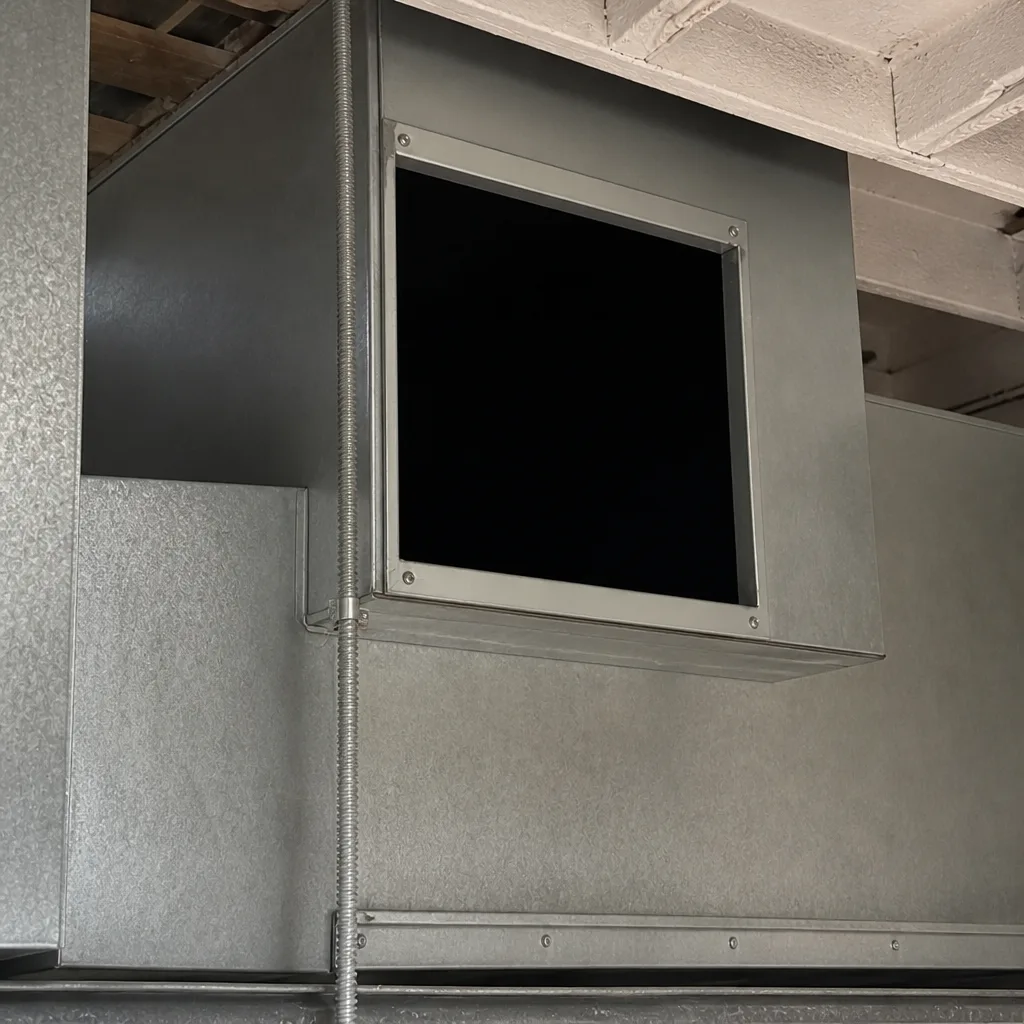 After
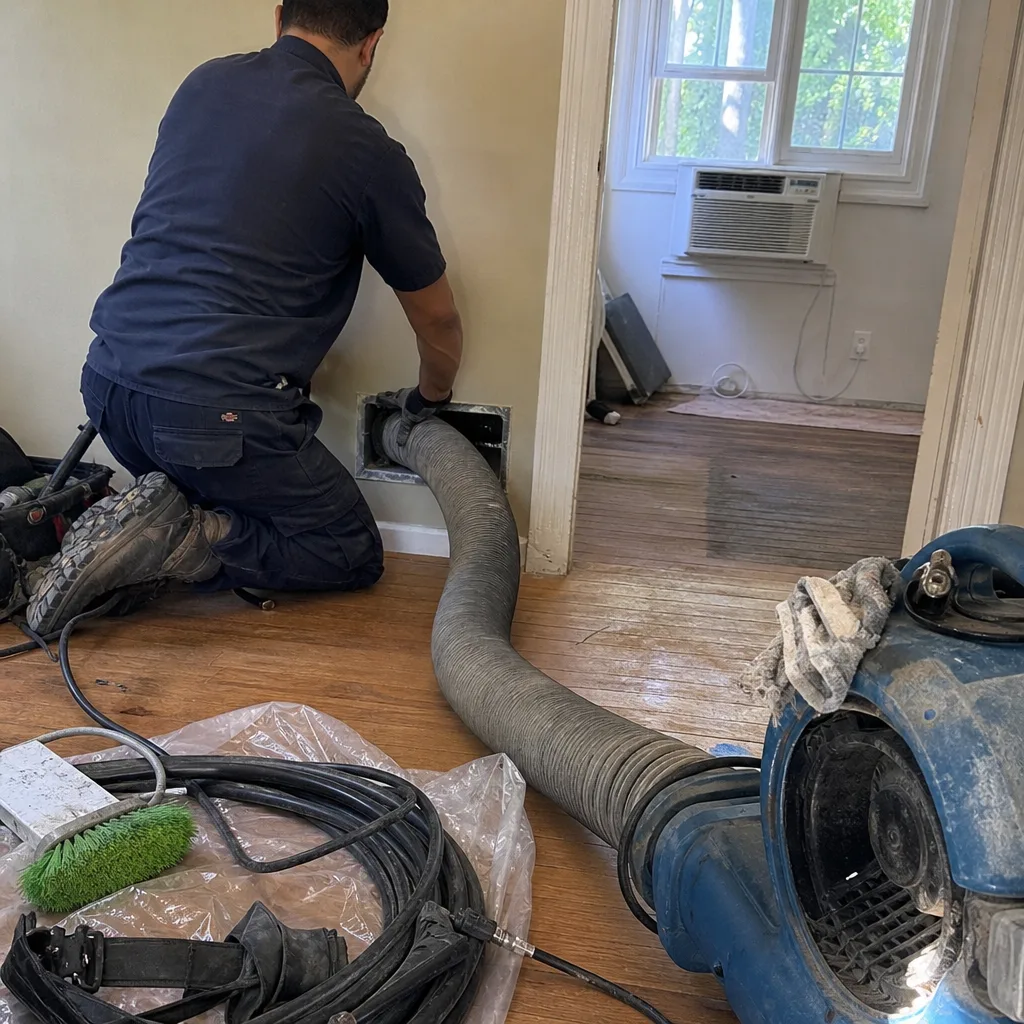 Before
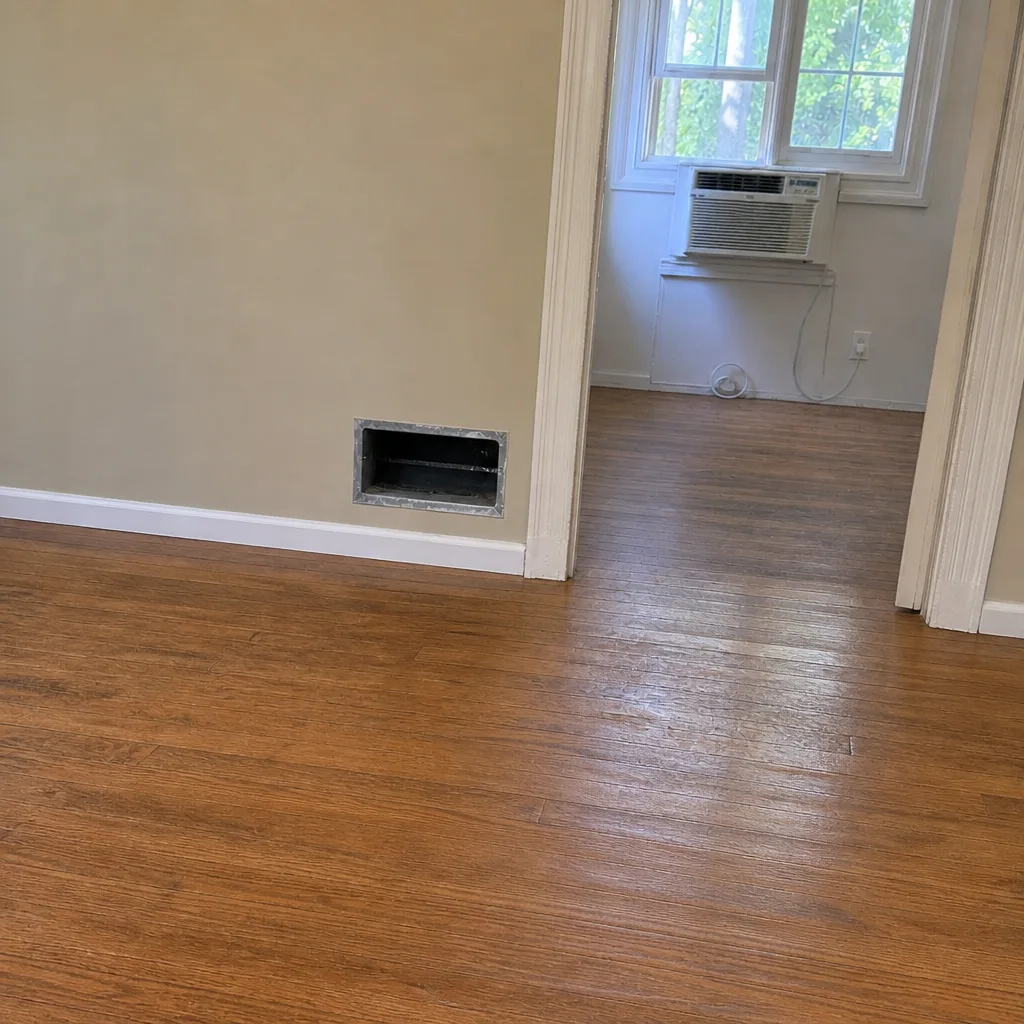 After
When to Call a Professional
Most of the checklist above is yours to run. A few items need someone with the right equipment. Call a professional if the apartment has visible dust plumes at the registers, a musty smell that returns after cleaning, uneven airflow between rooms, a duct run you can see is disconnected or crushed, or if it has been 3 or more years since the last full cleaning. Also call for the dryer vent, for a boiler or radiator that’s banging or leaking (report to the building first), and any time you’re renovating. Air Duct Cleaning Washington Heights offers free estimates in Washington Heights – call (877) 792-7271. We answer 24/7. Fast dispatch from 7am to 7pm, Sunday through Friday.
Frequently Asked Questions
Every 3 to 5 years is a reasonable interval for most Washington Heights apartments with forced air, and sooner if the unit is near a major traffic corridor, has pets, or has just been renovated. If you can see dust at the registers or smell mustiness when the system starts, don’t wait for the calendar.
Not if the apartment has no ductwork. Pure hydronic systems need radiator and boiler maintenance, not duct cleaning. If the apartment has a hybrid setup with both radiators and forced air, the duct portion needs cleaning and the radiator portion needs its own annual bleed and inspection. If you’re not sure which you have, an inspection will tell you.
MERV 8 to MERV 11 fits most residential forced-air systems. MERV 13 is a higher-capture option only if the system can handle the extra static pressure. Near heavy traffic corridors or construction, plan on changing the filter every 2 months instead of every 3.
It depends on what’s being cleaned. In-unit filters, registers, and the in-unit air handler are typically the tenant’s or owner’s responsibility; the building’s boiler, shared risers, and shared duct runs are typically the landlord’s or board’s. Check your lease or proprietary lease, and put any request to the building in writing so there’s a record.
It can reduce the dust and particulate that reach the room, but it’s not a medical treatment. If the source of the problem is a leaking duct, missing filter, or moisture issue, cleaning alone won’t fix it. A proper job includes repair and sealing where it’s needed, and filtration upgrades like a deeper media housing at the air handler where the system allows.
Keep the written scope of work, the service invoice, dated before-and-after photos of the ductwork, and any filter change records. That package is useful for HPD-related complaints, landlord-tenant disputes, co-op and condo board questions, and any future sale of the apartment.
The Bottom Line
A Washington Heights HVAC checklist looks different from a generic one because the housing looks different: pre-war radiators, retrofitted forced air, and buildings where one person coordinates twenty units. Run two tracks if you have a hybrid system. Calibrate filter changes to traffic and heating season rather than a national calendar. Put the dryer vent on the annual list. Know which tasks belong to the building and which to you. And document every cleaning and repair with dated records. Do those things and you’ll fix the air you breathe instead of chasing it. For anything past a filter change, the right equipment matters. If you want a full assessment, call (877) 792-7271 for a free estimate. We answer 24/7. Fast dispatch from 7am to 7pm, Sunday through Friday.
Written by the team at Air Duct Cleaning Washington Heights.