
Last updated November 22, 2026
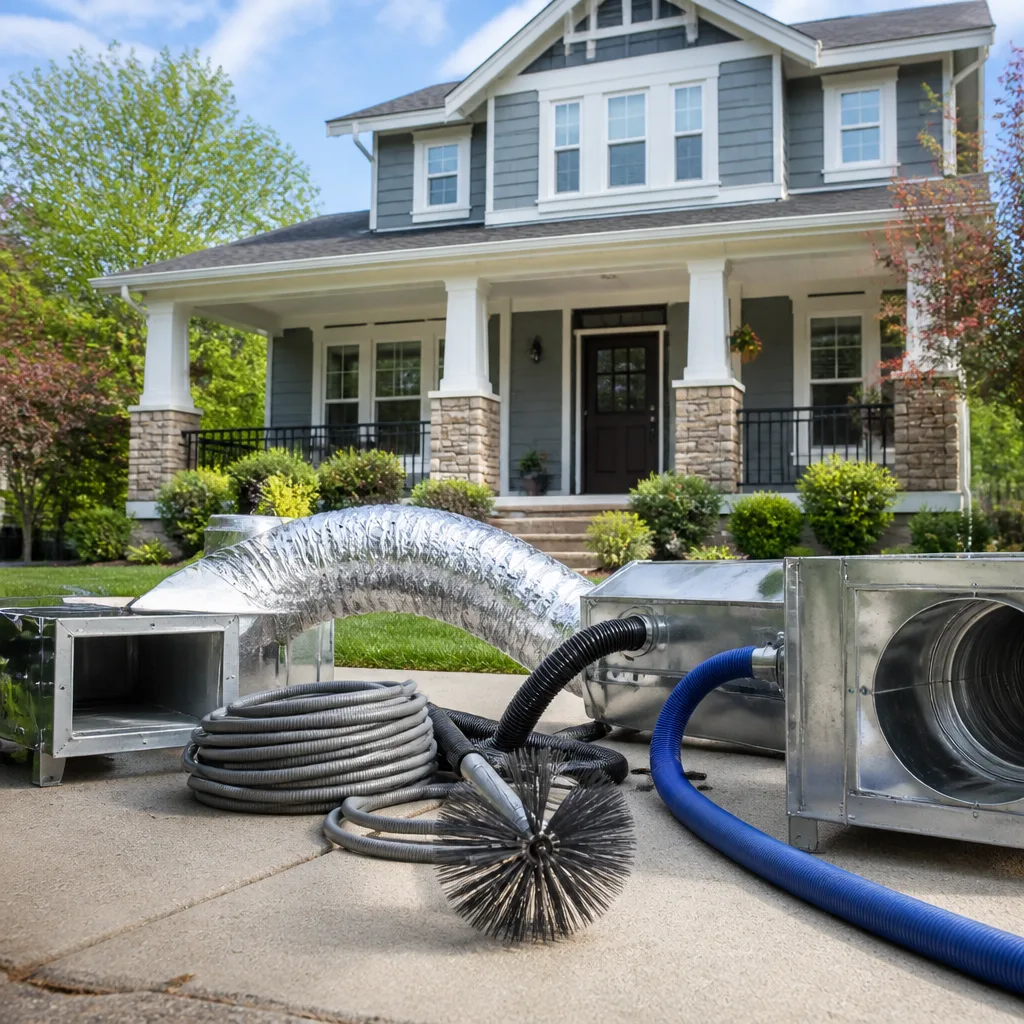 Whole-home duct cleaning
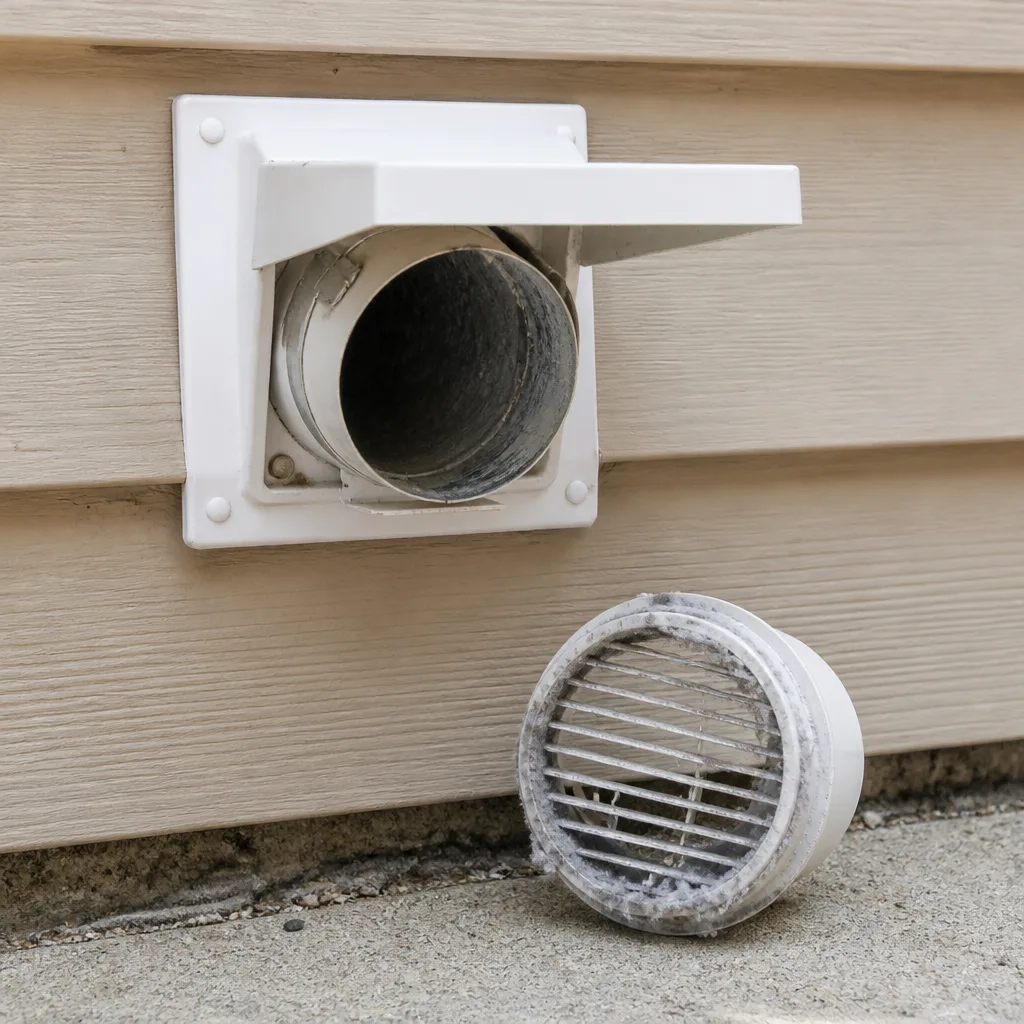 Dryer vent cleaning
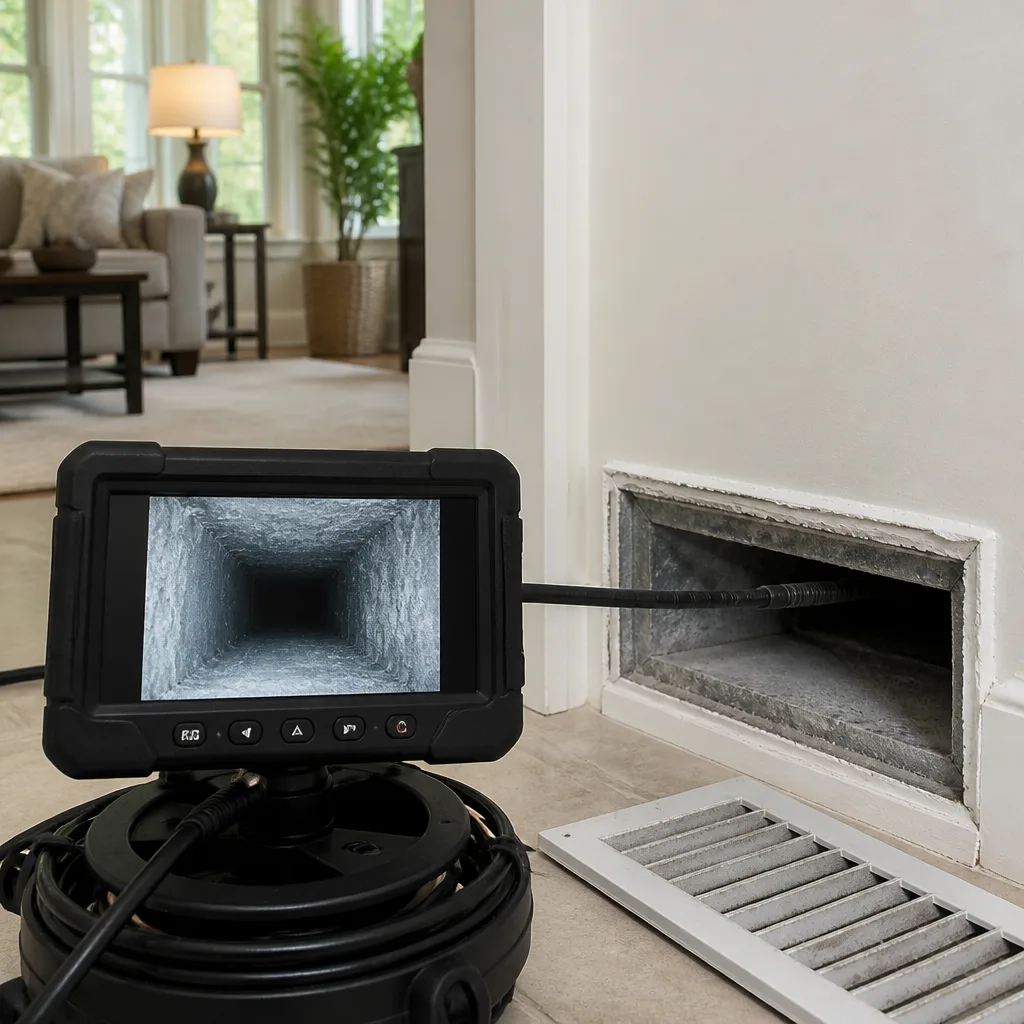 Camera inspection
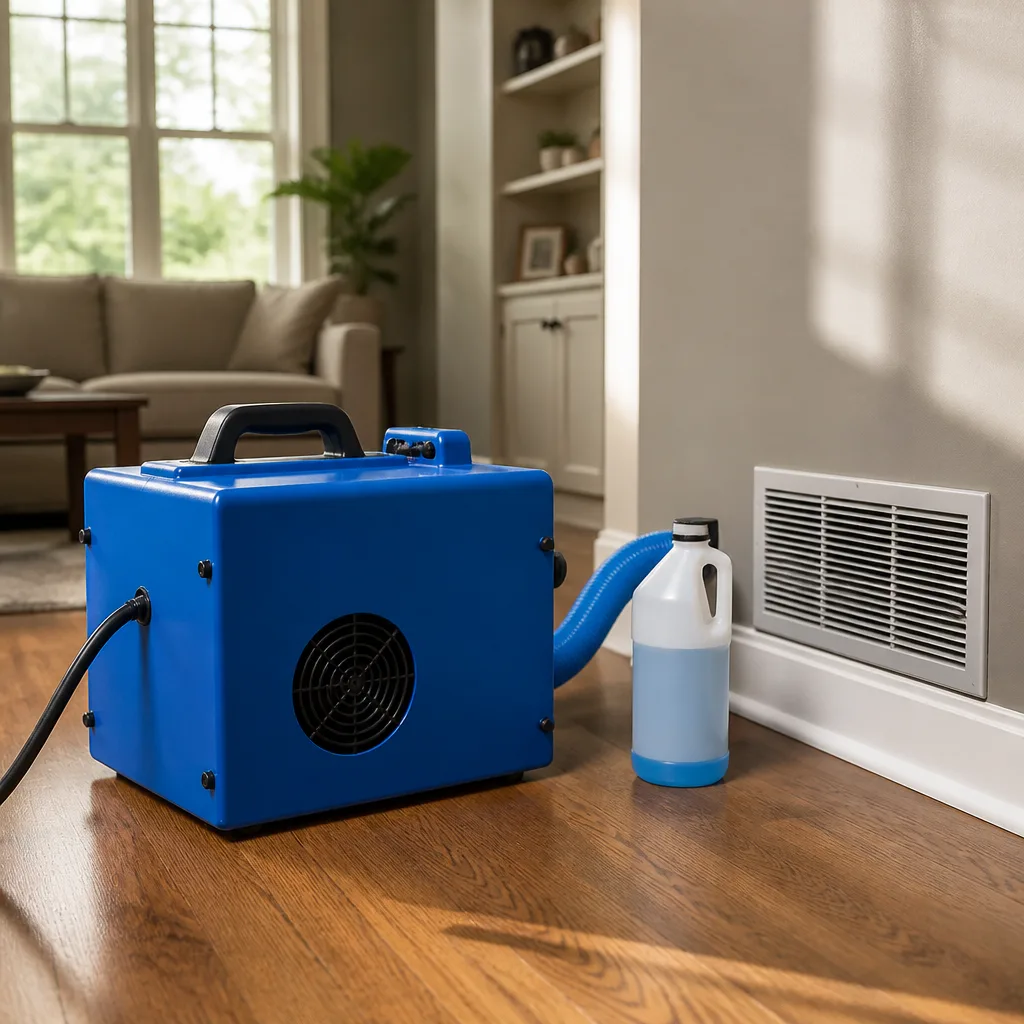 Sanitizing & deodorizing
Whole-system duct and dryer vent check with before-and-after photos - you see exactly what came out of your vents
That "$99 whole-house special" is a bait ad - the real number appears once they are in your hallway, or the "clean" is a shop-vac at the register. We photograph the inside of your ducts before and after instead.
DIY vs Professional Air Duct Cleaning: The Washington Heights Homeowner’s Decision Guide
A consumer-grade duct cleaning kit, a stiff brush, and an afternoon of YouTube tutorials can, in fact, clean the first few feet of a supply register. That’s the honest part most guides skip. The contamination that actually changes the air you breathe, though, usually sits 15 to 40 feet inside the system, around bends, behind obstructions, and in branch runs that no handheld tool reaches. In Washington Heights, where so much of the housing stock was built before the Second World War, the architecture often settles the DIY-versus-professional debate before a homeowner even picks up a brush. This guide walks through what you can genuinely handle yourself, what you can’t, and how to tell the difference in your own building.
Quick Answer
For most Washington Heights apartments and houses, professional air duct cleaning is the practical choice because the contamination that matters sits deeper in the system than hand tools can reach, and in pre-war buildings the duct liner and insulation call for equipment that contains debris rather than stirring it up. DIY is a reasonable, useful option only for surface-level tasks: cleaning the visible register grilles, changing filters, and inspecting return grilles. Anything past the first few feet of duct calls for a rotary brush system and a negative air machine.
Styles & brands we work with
- Whole-home duct cleaning
- Dryer vent cleaning
- Camera inspection
- Sanitizing & deodorizing
Table of Contents
- What You Can Actually Reach, and What You Can’t
- Why Pre-War Buildings Change the Math
- The DIY Tasks That Actually Help
- What Professional Cleaning Involves at the Equipment Level
- When DIY Becomes a Safety Question: Pre-1980 Insulation
- Pros and Cons at a Glance
- How to Choose a Duct Cleaning Company in Washington Heights
What You Can Actually Reach, and What You Can’t
The single most useful thing a Washington Heights homeowner can do is get honest about reach. Stand at a supply register with a flashlight and a tape measure. What you can see and touch is the register face, the boot (the curved metal fitting behind the grille), and maybe the first three to five feet of the branch run if the duct is straight. That’s it. The rest of the system extends out of sight, often through walls and ceilings you’ll never open up.
Here’s a realistic map of a typical apartment or house duct system and what’s genuinely within reach:
- Register grille and face: fully accessible. Unscrew it, wash it, and let it dry before replacing it.
- Boot and first few feet of branch duct: partially accessible with a flexible brush and a shop vacuum if the run is short and straight.
- Main trunk line: almost never accessible without professional tooling and a way to create negative pressure.
- Returns and the air handler plenum: accessible to inspect but not safely clean without containment equipment.
- Bends, elbows, and branch junctions: where debris collects most heavily and where consumer tools stall out.
That last point is the whole argument. Debris doesn’t accumulate in the straight, reachable parts of a duct; airflow keeps those swept clean. It settles at the elbows, in the low spots, and where a branch meets a trunk. Those are precisely the places where a handheld brush stops and a rotary system starts. If you want a sense of what a full system cleaning looks like from the professional side, our air duct cleaning page walks through the process register by register.
Why Pre-War Buildings Change the Math
Washington Heights has an unusual concentration of pre-war apartment buildings, and that matters enormously for this decision. Older duct systems often used internal fiberglass or other fibrous liner materials to dampen noise and insulate the duct. Over decades, that liner can degrade, fray at the edges, and shed fibers into the airstream. A brush applied too aggressively in a DIY setting can dislodge that material rather than remove the dust sitting on top of it.
In newer construction, a homeowner with a shop vacuum and a flexible brush is mostly fighting their own reach and the mess. In a pre-war building, the same tools can genuinely make the air quality worse by loosening degraded liner and older dust in one motion and blowing it back into the living space. That’s a key difference our technicians notice on the job again and again: the older the ductwork, the more the cleaning is about controlled suction and containment than about scrubbing force.
The neighborhood geography reinforces this. Apartment buildings in the Washington Heights Historic District and along the corridors near Fort Washington and Inwood often share vertical duct chases between units, meaning air and debris can migrate between floors. A proper cleaning job has to account for those shared chases, and that’s not something a single-unit DIY effort can safely address. If your building has shared ductwork, that alone is usually reason enough to bring in professional equipment.
The DIY Tasks That Actually Help
None of this means homeowners should do nothing. There’s a real, useful set of maintenance tasks that belong in your hands and genuinely improve air quality without touching the deep ductwork. These are the jobs worth doing yourself, and doing them well prolongs the life of the system between professional cleanings.
- Clean the register grilles. Remove each supply and return grille with a screwdriver, wash them in warm soapy water, dry fully, and reinstall. This alone removes a surprising amount of visible dust and is completely safe.
- Change the HVAC filter on schedule. A clogged filter is the number one cause of poor airflow most homeowners can fix themselves. Check it monthly during heavy heating or cooling season and replace it when it looks gray. This is the single highest-impact DIY task in the guide.
- Vacuum around the returns. Dust collects on the floor and furniture near return grilles and gets pulled into the system. Regular vacuuming near those grilles reduces what the system draws in.
- Inspect the return grille for visible buildup. Shine a flashlight into the return and look for matted dust or debris. If you see heavy buildup, that’s a signal the system needs more than a filter change.
- Keep the area around registers clear. Furniture or curtains blocking registers don’t clean the duct, but they do cut airflow and encourage dust to settle near the grille.
- Watch for moisture or musty smells. If you smell a persistent musty odor at a register, stop and call a professional. Those are signs of conditions (often microbial) that a vacuum can’t fix and a filter won’t address.
Our HVAC cleaning work often picks up exactly where these tasks leave off. Homeowners who keep up with the list above get more out of a professional cleaning and often go longer between visits.
What Professional Cleaning Involves at the Equipment Level
Professional duct cleaning isn’t a bigger version of the consumer kit. It’s a fundamentally different category of work built around three things: aggressive mechanical agitation, strong negative pressure to contain what gets loosened, and filtration to keep the debris out of your living space. This is why it can’t be replicated with a shop vacuum, no matter how powerful the model.
A proper professional setup relies on purpose-built equipment. Rotary brush systems (like the Rotobrush line) use a spinning brush head on a flexible shaft to scrub the duct walls and dislodge caked-on debris from the full length of a run. High-powered and HEPA-filtered vacuums (Nikro and Abatement Technologies units, for example) apply negative pressure at the duct opening so that whatever the brush loosens is captured rather than blown into the room. The best systems put a HEPA-filtered air filtration machine in the living space as well, capturing airborne particles while the cleaning runs.
Here’s how a professional job typically unfolds:
- Inspection: the technician checks the system, identifies duct material, and flags any pre-existing damage or degraded liner before cleaning begins.
- Containment: HEPA filtration equipment is set up in the work area and at the duct openings.
- Agitation: the rotary brush system is fed through the runs, mechanically scrubbing the duct walls.
- Extraction: negative pressure pulls the loosened debris into a sealed collection system.
- Sanitizing (when needed): for musty or microbial conditions, the system is treated with a sanitizing product to address what cleaning alone can’t.
- Verification: the technician checks airflow and confirms the work. Before-and-after photos are the standard way to show what changed.
The equipment stack matters because each piece does a job the others can’t. When a company runs duct repair & sealing work alongside cleaning, those same tools let the technician spot and fix gaps that would otherwise let the cleaned system re-contaminate. That’s a level of capability a homeowner with a shop vacuum simply can’t reach, and it’s why we treat cleaning as diagnosis and repair, not just vacuuming. Our air duct cleaning Washington Heights page covers the full service picture if you want to compare it against a DIY plan.
When DIY Becomes a Safety Question: Pre-1980 Insulation
This is the section most guides skip, and in Washington Heights it’s the one that matters most. Buildings constructed before 1980 can contain asbestos-containing materials in duct insulation, duct tape, and in older heating systems. Asbestos fibers, when disturbed, are a genuine health hazard and should never be handled by anyone but a licensed abatement professional. A homeowner with a brush and a shop vacuum has no way to know whether the fibrous material inside an old duct is degraded fiberglass or something more serious.
That uncertainty isn’t a reason to panic. It’s a reason to have someone qualified look before anything is disturbed. A professional inspection can identify duct materials and advise on the right course. If asbestos is suspected, cleaning waits until the material is evaluated by a licensed abatement specialist. We don’t perform asbestos work, and any reputable duct cleaning company should be clear about the same boundary.
In our experience, the responsible approach for any Washington Heights home built before 1980 is to have the system professionally inspected first, then decide. That one step prevents the scenario where a DIY cleaning stirs up a problem the homeowner didn’t know was there. From a liability and health standpoint, it’s the single best argument against deep DIY cleaning in older buildings.
Pros and Cons at a Glance
Here’s the honest side-by-side. Neither column is universally right; the answer depends on your building and the state of your system.
- DIY – cost: low. A flexible brush, a shop vacuum, and some time.
- DIY – what it covers: register cleaning, filter changes, surface dust, first few feet of straight duct.
- DIY – limits: no reach past the first bend, no containment, risk of dislodging degraded liner or old insulation.
- DIY – best for: newer construction, light maintenance, upkeep between professional cleanings.
- Professional – cost: a one-time investment set per job by a written estimate; the estimate is free and the price is agreed before work starts.
- Professional – what it covers: the full run, trunk lines, bends, returns, with mechanical agitation and HEPA containment.
- Professional – strengths: identifies root causes, repairs and seals gaps, addresses safety questions like asbestos, and leaves verifiable before-and-after evidence.
- Professional – best for: pre-war buildings, persistent odors, visible buildup, allergy symptoms, systems that haven’t been cleaned in years.
Every job we handle is priced per system, agreed in writing before work begins. No per-vent pricing, no bait-and-switch coupon that becomes a bigger invoice once the technician is on site. That’s the one part of the industry’s reputation problem worth fixing explicitly.
How to Choose a Duct Cleaning Company in Washington Heights
If you decide to go professional, the next decision matters as much as the first. The industry has a well-earned reputation for low teaser prices that balloon once the technician arrives, and for “cleaning” that’s really just a shop-vac pass over the grilles. You can avoid both by asking the right questions before you book.
- Ask what equipment they use. A real professional operation names its equipment: rotary brush systems, HEPA vacuums, negative air machines. If the answer is vague, keep looking.
- Ask for a flat price per system. Not a per-vent price, not a coupon price. A written estimate that sets the final price is the standard you should insist on.
- Ask about containment. A company that doesn’t mention HEPA filtration or negative pressure is treating this as surface cleaning.
- Ask about duct material and safety. A good technician flags degraded liner or older insulation before disturbing anything, and is clear about whether asbestos evaluation is needed in older buildings.
- Ask about before-and-after photos. Photos of your own ducts are the best evidence the work was actually done. Any company confident in its work should be glad to show you.
- Confirm the local pro is licensed and insured as their state requires. That’s a baseline, and worth asking about directly.
In Washington Heights, where many buildings are co-ops or rentals with shared duct chases, it’s also worth asking how a company handles multi-unit systems and whether they can work with the building’s management. Our technicians have up to 13 years of experience and have worked in buildings across the neighborhood. That context matters when a job involves a shared chase rather than a single-family system.
Common Mistakes to Avoid
- Assuming a shop vacuum is enough. A shop vacuum has no containment beyond its own filter, and it can blow fine dust back into the room while you work. It’s fine for the register face; it’s not a duct cleaning system.
- Brushing aggressively in an older building. In pre-war Washington Heights buildings, aggressive scrubbing can dislodge degraded duct liner rather than clean it. If you don’t know the duct material, don’t deep-clean it.
- Booking a company on price alone. A cheap per-vent quote that balloons on the day is the classic bait-and-switch. Ask for a flat per-system estimate in writing before anyone shows up.
- Skipping the filter. Many homeowners book a cleaning when a clogged filter was the real problem. Change the filter first and see whether airflow improves before committing to a full cleaning.
- Cleaning once and never again. Duct cleaning isn’t a one-time event. Keeping up with filters and register cleaning between professional visits is what makes the job last.
- Ignoring a musty smell. A persistent musty odor at a register is a sign of moisture or microbial growth that a vacuum won’t fix. Book an inspection rather than trying to clean it yourself.
- Forgetting the dryer vent. Dryer vent cleaning is a separate job from duct cleaning, and it’s a genuine fire-risk hazard. Many duct cleaning companies treat it as an afterthought; it deserves its own service.
See the difference
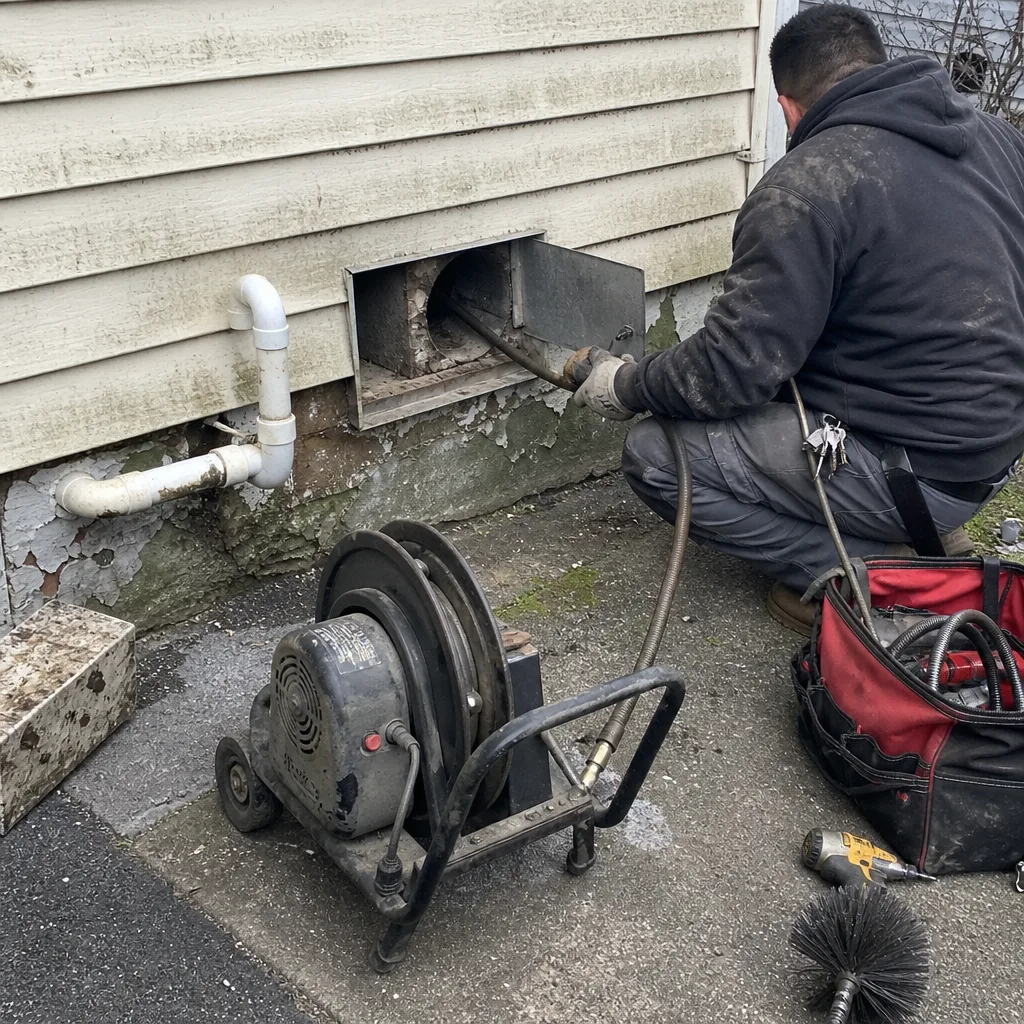 Before
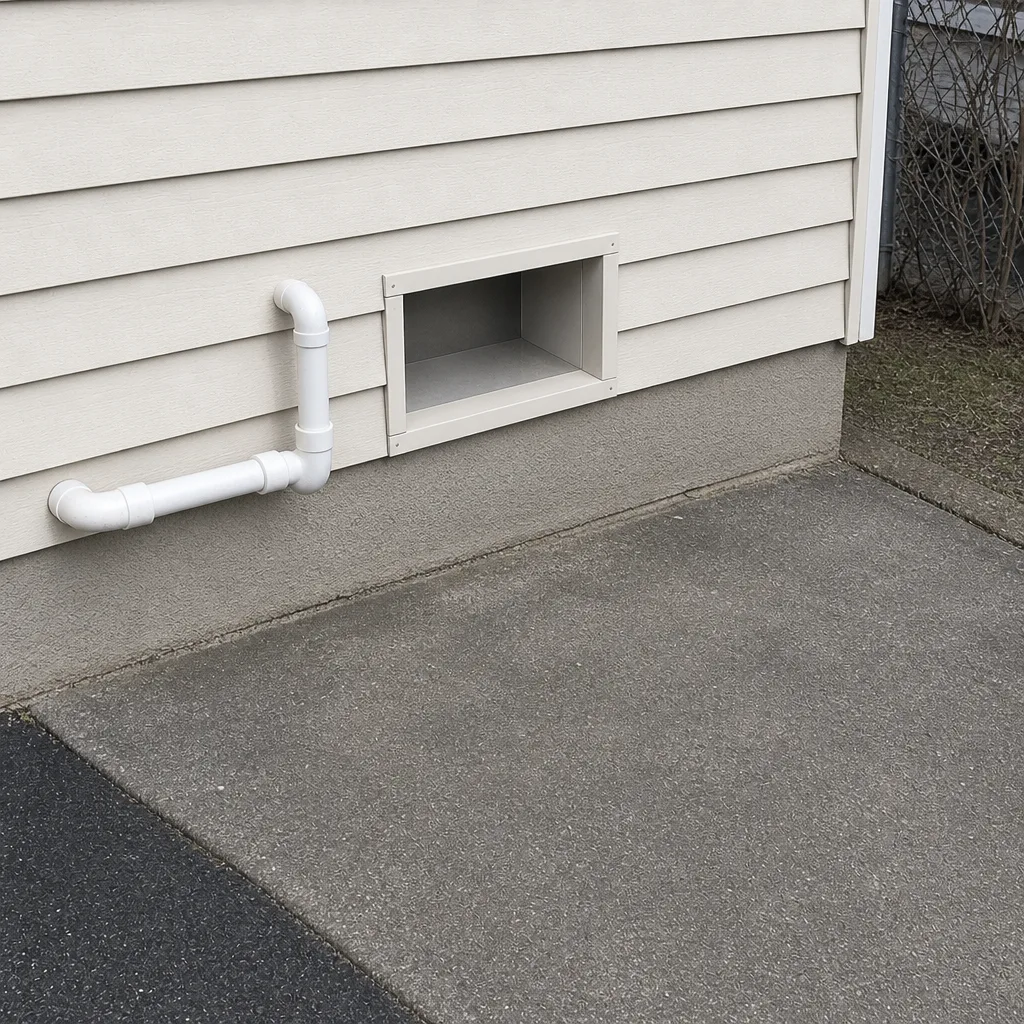 After
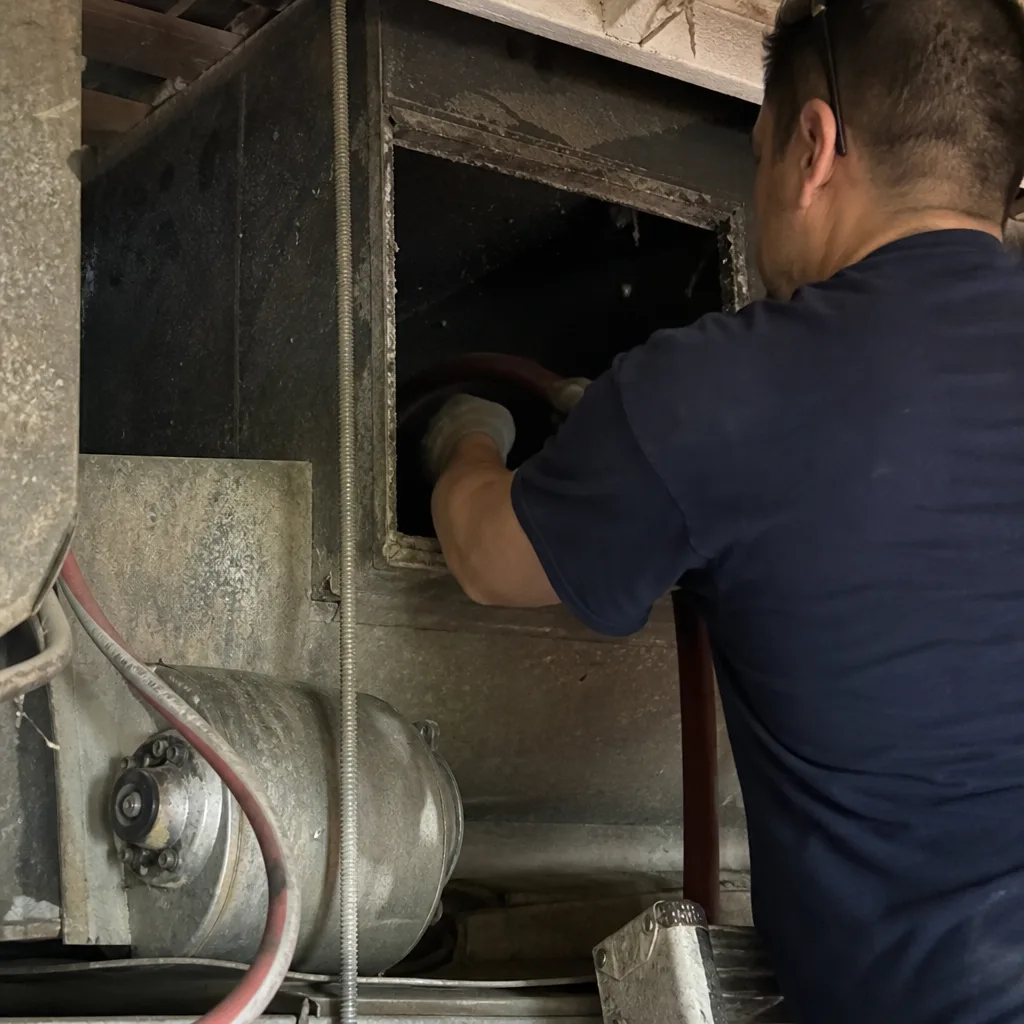 Before
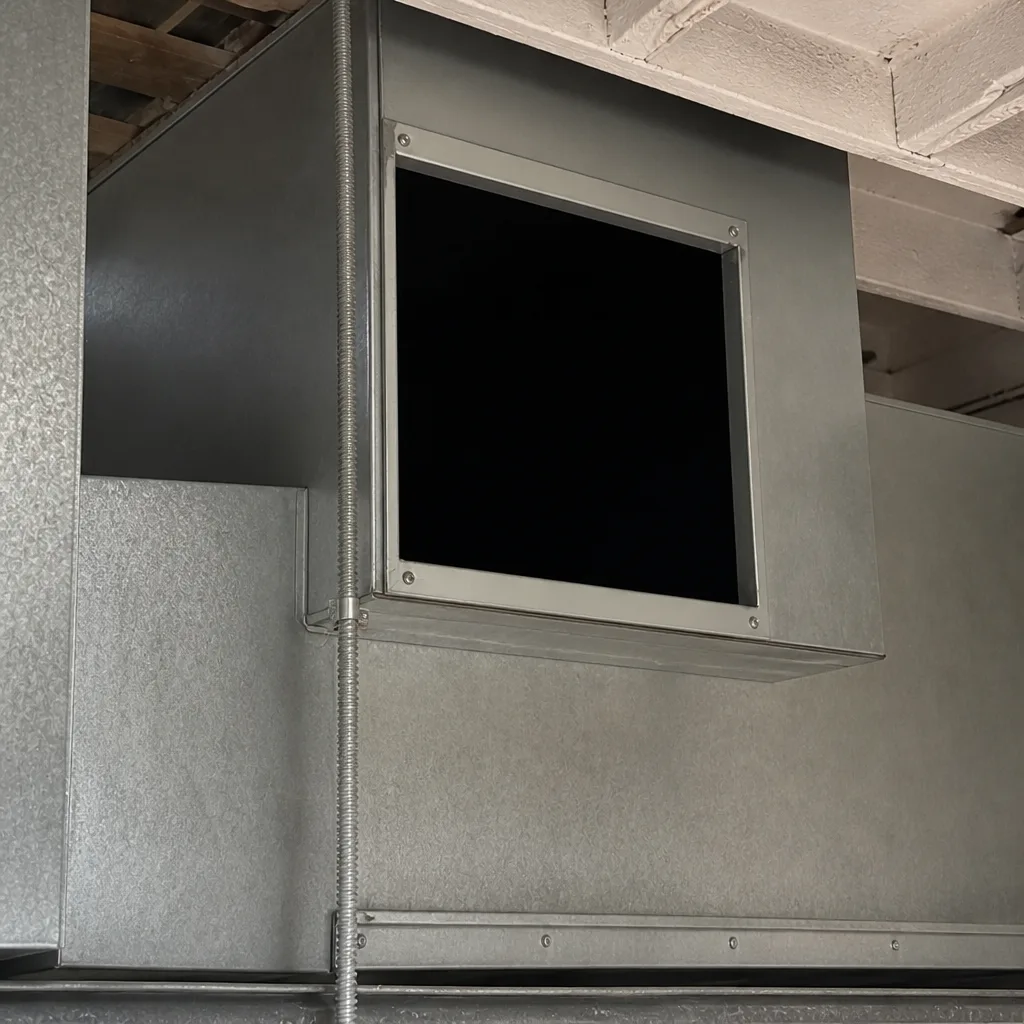 After
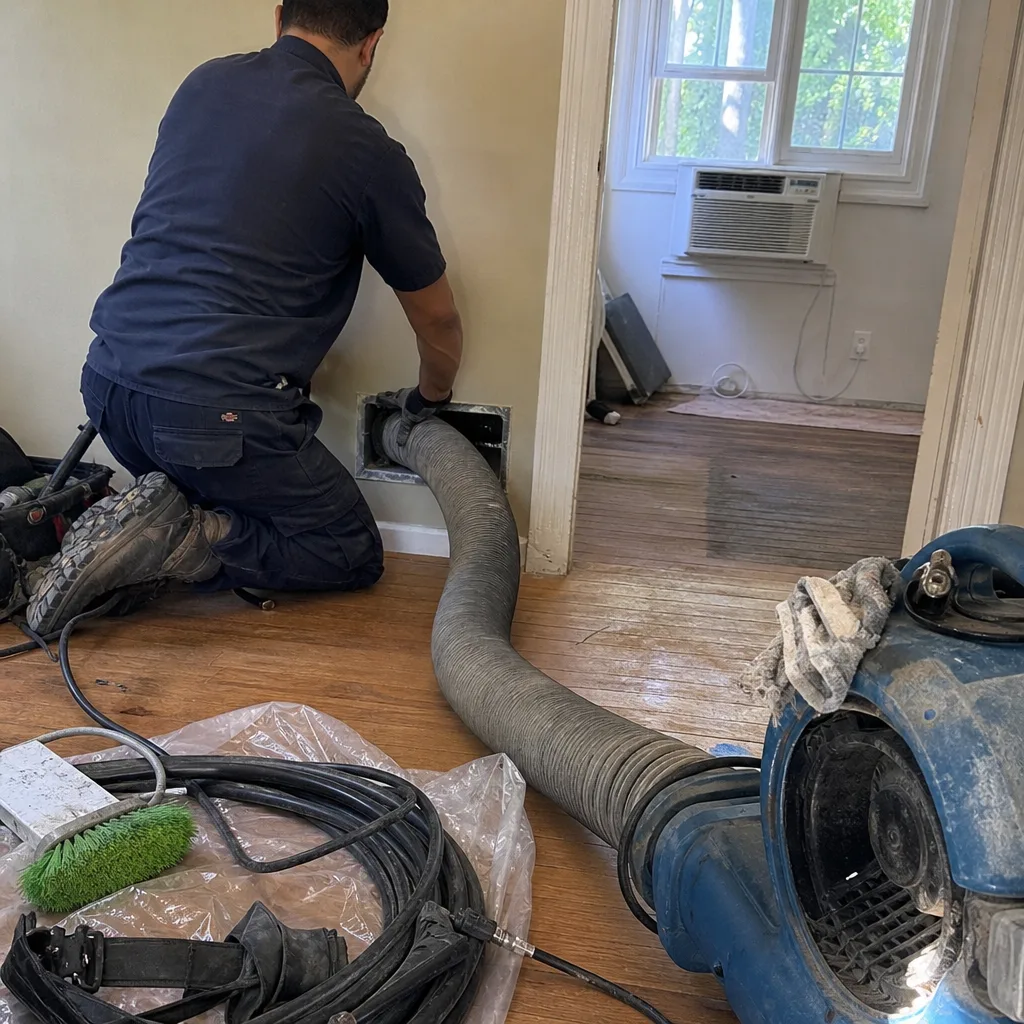 Before
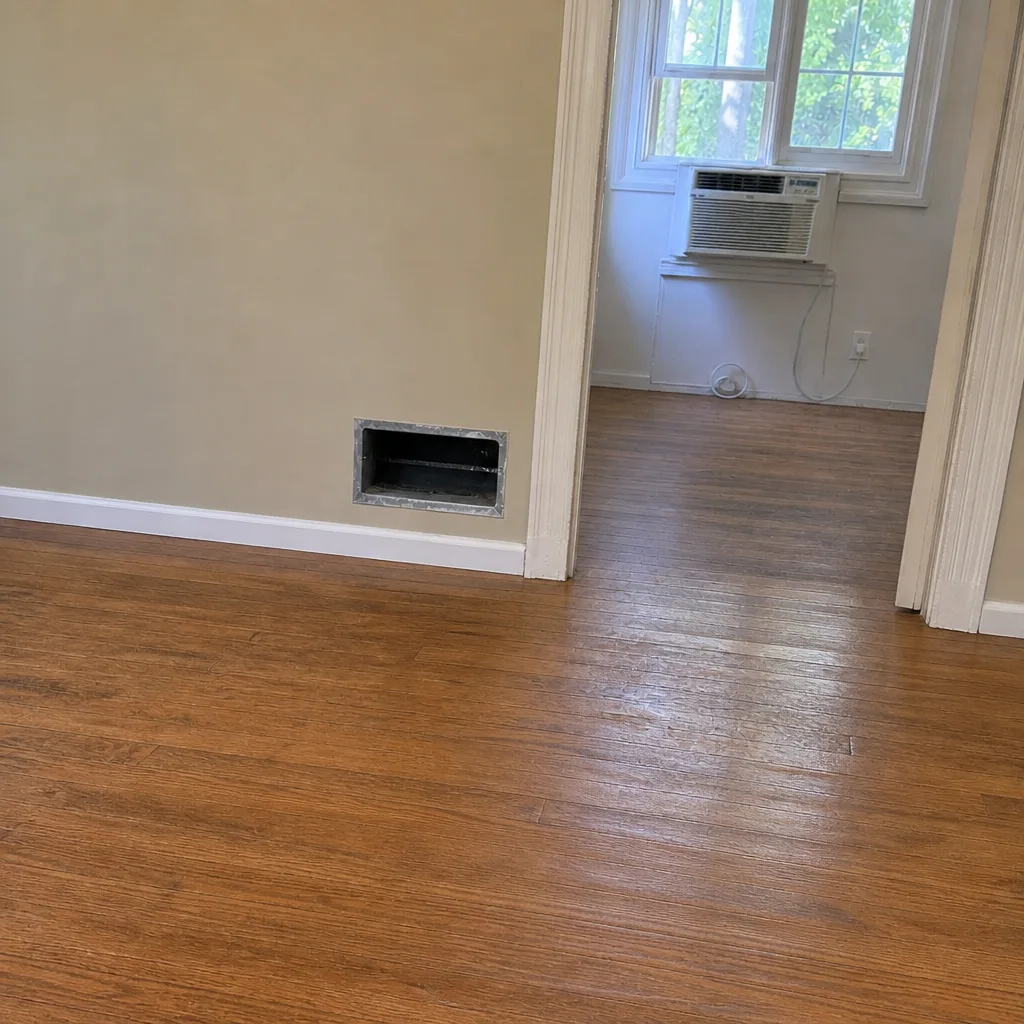 After
When to Call a Professional
If any of these apply, the answer to the DIY-versus-professional question has already been made for you: persistent dust in the weeks after you clean, a musty smell that doesn’t go away, visible buildup at the return grille, uneven airflow between rooms, allergy symptoms that worsen indoors, a building constructed before 1980, or a system that hasn’t been cleaned in several years. Any one of those justifies a professional look. Air Duct Cleaning Washington Heights offers free estimates in Washington Heights. Call (877) 792-7271. We answer 24/7. Fast dispatch from 7am to 7pm, Sunday through Friday.
Frequently Asked Questions
You can clean the register grilles, change the filter, and vacuum the first few feet of straight duct yourself, and those tasks are worth doing. You can’t effectively or safely clean the deep portions of the system, the bends, the trunk line, or shared chases without professional equipment and containment. For most Washington Heights apartments, the DIY portion is maintenance, not cleaning. Call (877) 792-7271 for an exact quote on a full system cleaning – estimates are free.
We price per system, not per vent, and the written estimate sets the final price before work begins. That’s the honest way to quote this work, because every system’s geometry is different. A free estimate is the fastest way to know what your building would cost. Call (877) 792-7271. We answer 24/7.
Cheap quotes are often per-vent teaser prices that grow once the technician is on site, or “cleaning” that’s really a shop-vac pass over the grilles with no containment. The equipment a real cleaning needs (rotary brushes, HEPA vacuums, negative pressure) costs money to run. A flat per-system price agreed in writing is the way to compare quotes fairly. Call (877) 792-7271 for a free estimate you can compare.
Before-and-after photos of your own ducts are the most reliable evidence, and a company confident in its work should offer them without being asked. Ask to see the photos before the job is signed off. If a company won’t show you, that tells you something. Call (877) 792-7271 to see how a real cleaning is documented.
Most homes don’t need annual cleaning. A good rule is every few years, or sooner if you see visible buildup, smell something musty, notice uneven airflow, or have allergy symptoms that get worse indoors. Pre-1980 buildings in Washington Heights may need more frequent attention if duct liner is degrading. The filter change is the monthly task; the professional cleaning is the occasional one. Call (877) 792-7271 to talk through your specific system.
Have the system inspected before anything is disturbed, because older duct insulation can contain asbestos and should only be handled by a licensed abatement professional. That inspection is the responsible first step. We don’t perform asbestos work, but we can inspect and advise on the right path. Call (877) 792-7271. We answer 24/7. Fast dispatch from 7am to 7pm, Sunday through Friday.
The Bottom Line
For most Washington Heights homeowners, the DIY-versus-professional question answers itself once you map what you can actually reach. Register cleaning, filter changes, and return-grille inspection are yours to handle, and worth doing. Deep duct cleaning needs rotary agitation, HEPA containment, and professional diagnosis – and in pre-war buildings, it needs a careful inspection first because of what might be in the duct liner. The wise plan is to keep up the DIY maintenance, book a professional cleaning when the signs call for it, and ask for a flat price per system in writing. Professional-grade equipment, at residential pricing, is what the job actually requires.
Get a Free Estimate in Washington Heights
If you’ve read this far and you’re still unsure which side of the DIY-versus-professional line your building falls on, the fastest way to find out is a free estimate. Call (877) 792-7271. We answer 24/7. Fast dispatch from 7am to 7pm, Sunday through Friday. A technician will look at your system, tell you what it needs, and give you a written per-system price before anyone touches a duct.
Written by the team at Air Duct Cleaning Washington Heights.